Why People Pleasing Is a Trauma Response (Not a Personality Type)

For the ones who said yes and meant no so many times they forgot what the no felt like.

For the ones who have been called easy-going when what they actually were was afraid.

For the ones who are exhausted from keeping everyone else comfortable.

What people pleasing actually is

People pleasing is the pattern of consistently prioritizing other people's needs, feelings, and comfort over your own — often at a significant personal cost, often automatically, often without being fully aware you're doing it until after the fact.

It presents as agreeableness, flexibility, generosity. It gets described as a positive trait. It is frequently praised.

What it actually is, underneath the surface, is a management strategy — one that usually developed in response to a specific early learning: that conflict was not safe, that someone else's emotional state was your responsibility to manage, or that your needs and preferences were less important than maintaining harmony in the space.

The fawn response: where it comes from

The fawn response was added to the trauma response framework by therapist Pete Walker as a fourth response alongside fight, flight, and freeze.

Fight responds to threat with aggression. Flight responds with escape. Freeze responds with immobility. Fawn responds with appeasement — with trying to make the threat stop by becoming what it needs, accommodating it, removing any friction that might cause escalation.

In a context where the threat is a person whose emotional state is unstable or volatile — a caregiver, a parent, someone with authority — fawning works. It de-escalates. It reduces harm. It's adaptive. It's smart, actually, given the options available.

The problem is that the nervous system learns this as the default response to any sense of threat or conflict — and conflict eventually comes to mean almost anything. Disagreement. Disappointing someone. Saying no. Having needs that might inconvenience someone else. The fawn response fires before any of these situations have a chance to become actually threatening — because the nervous system learned, early, not to wait and find out.

What fawning looks like day to day

Agreeing with things you don't agree with to avoid the discomfort of conflict.

Apologizing preemptively, reflexively, sometimes for things that didn't require an apology and sometimes before you've even assessed whether one is warranted.

Doing things you don't want to do and then performing enthusiasm about them.

Monitoring people's faces and tones constantly for signs of displeasure, and calibrating your behavior in response to those readings before you've been asked to.

Never finishing a sentence about what you want before pivoting to what would be okay or what wouldn't bother you or what works for the other person.

Being called easy-going and low-maintenance while internally keeping a very detailed, constantly updated record of what everyone around you needs.

The hollow phrases that people pleasers produce

"How are you?" — fine. "How was it?" — really good. "Are you sure?" — totally. "Does that work for you?" — of course.

These are the phrases of performed agreeableness. They're socially expected, they're efficient, and for people pleasers they're also the default — not necessarily because everything is fine or good or totally, but because the honest answer requires navigating a reaction that might be uncomfortable, and the nervous system has learned to skip that negotiation entirely.

The hollow social scripts — "hanging in there," "living the dream," "can't complain" — are the vocabulary of fawning deployed at scale. Language that performs okayness without risking the real answer.

The cost

People pleasing has costs that are real but often invisible, including to the person doing it.

There's the resentment — that accumulates from repeatedly deprioritizing your own needs without that being named or acknowledged, even internally. It tends to emerge sideways: irritability, passive withdrawal, sudden sharp reactions to minor things.

There's the identity erosion. When your baseline has been orienting to everyone else's preferences for long enough, knowing what you actually want — separate from what would be convenient or acceptable or uncomplicated — becomes genuinely difficult. The preference muscle atrophies. You can end up in a situation where you're asked "what do you want" and the honest answer is that you don't know anymore.

There's the exhaustion of constant surveillance — of monitoring, adjusting, managing, anticipating. It's a full-time cognitive load that most people around you have no idea is running.

It's not a character trait you need to keep

People pleasing tends to get integrated into identity. I'm just a giver. I care about others. I don't like conflict. That's just who I am.

Those things may be partly true. But the parts that are trauma responses — the automatic yes, the preemptive apology, the constant monitoring, the inability to identify your own needs — those aren't fixed personality features. They're learned adaptations that made sense in the context where they were learned and don't have to be permanent.

Unlearning them isn't about becoming selfish. It's about developing the capacity to have an honest answer to "what do you want?" — and giving it, sometimes, before checking whether it's going to be okay with everyone in the room.


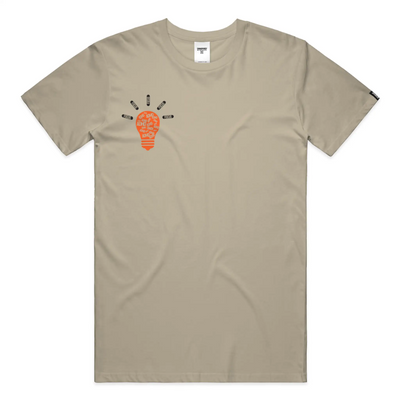
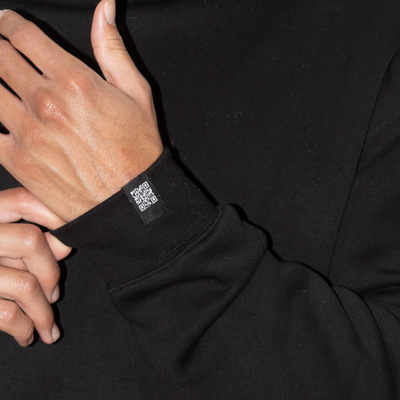
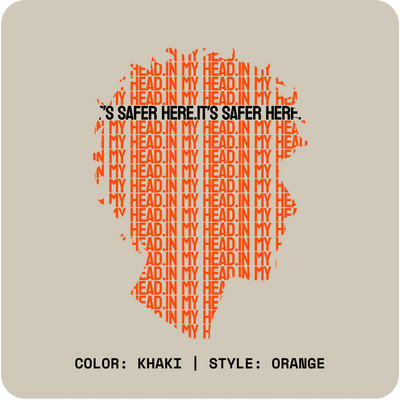
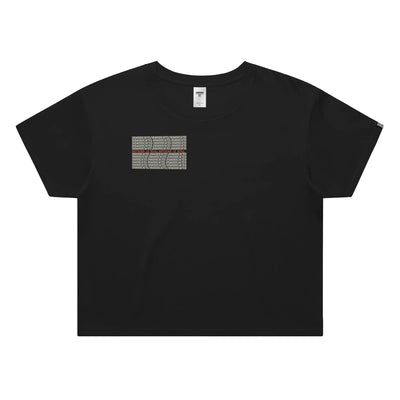
UNINSPIRED makes clothing for the ones who are done saying fine when they mean it differently. The Annoying Pleasantries collection says the quiet part out loud. Scan the sleeve.

Why People Pleasing Is a Trauma Response (Not a Personality Type)

For the ones who said yes and meant no so many times they forgot what the no felt like.

For the ones who have been called easy-going when what they actually were was afraid.

For the ones who are exhausted from keeping everyone else comfortable.

What people pleasing actually is

People pleasing is the pattern of consistently prioritizing other people's needs, feelings, and comfort over your own — often at a significant personal cost, often automatically, often without being fully aware you're doing it until after the fact.

It presents as agreeableness, flexibility, generosity. It gets described as a positive trait. It is frequently praised.

What it actually is, underneath the surface, is a management strategy — one that usually developed in response to a specific early learning: that conflict was not safe, that someone else's emotional state was your responsibility to manage, or that your needs and preferences were less important than maintaining harmony in the space.

The fawn response: where it comes from

The fawn response was added to the trauma response framework by therapist Pete Walker as a fourth response alongside fight, flight, and freeze.

Fight responds to threat with aggression. Flight responds with escape. Freeze responds with immobility. Fawn responds with appeasement — with trying to make the threat stop by becoming what it needs, accommodating it, removing any friction that might cause escalation.

In a context where the threat is a person whose emotional state is unstable or volatile — a caregiver, a parent, someone with authority — fawning works. It de-escalates. It reduces harm. It's adaptive. It's smart, actually, given the options available.

The problem is that the nervous system learns this as the default response to any sense of threat or conflict — and conflict eventually comes to mean almost anything. Disagreement. Disappointing someone. Saying no. Having needs that might inconvenience someone else. The fawn response fires before any of these situations have a chance to become actually threatening — because the nervous system learned, early, not to wait and find out.

What fawning looks like day to day

Agreeing with things you don't agree with to avoid the discomfort of conflict.

Apologizing preemptively, reflexively, sometimes for things that didn't require an apology and sometimes before you've even assessed whether one is warranted.

Doing things you don't want to do and then performing enthusiasm about them.

Monitoring people's faces and tones constantly for signs of displeasure, and calibrating your behavior in response to those readings before you've been asked to.

Never finishing a sentence about what you want before pivoting to what would be okay or what wouldn't bother you or what works for the other person.

Being called easy-going and low-maintenance while internally keeping a very detailed, constantly updated record of what everyone around you needs.

The hollow phrases that people pleasers produce

"How are you?" — fine. "How was it?" — really good. "Are you sure?" — totally. "Does that work for you?" — of course.

These are the phrases of performed agreeableness. They're socially expected, they're efficient, and for people pleasers they're also the default — not necessarily because everything is fine or good or totally, but because the honest answer requires navigating a reaction that might be uncomfortable, and the nervous system has learned to skip that negotiation entirely.

The hollow social scripts — "hanging in there," "living the dream," "can't complain" — are the vocabulary of fawning deployed at scale. Language that performs okayness without risking the real answer.

The cost

People pleasing has costs that are real but often invisible, including to the person doing it.

There's the resentment — that accumulates from repeatedly deprioritizing your own needs without that being named or acknowledged, even internally. It tends to emerge sideways: irritability, passive withdrawal, sudden sharp reactions to minor things.

There's the identity erosion. When your baseline has been orienting to everyone else's preferences for long enough, knowing what you actually want — separate from what would be convenient or acceptable or uncomplicated — becomes genuinely difficult. The preference muscle atrophies. You can end up in a situation where you're asked "what do you want" and the honest answer is that you don't know anymore.

There's the exhaustion of constant surveillance — of monitoring, adjusting, managing, anticipating. It's a full-time cognitive load that most people around you have no idea is running.

It's not a character trait you need to keep

People pleasing tends to get integrated into identity. I'm just a giver. I care about others. I don't like conflict. That's just who I am.

Those things may be partly true. But the parts that are trauma responses — the automatic yes, the preemptive apology, the constant monitoring, the inability to identify your own needs — those aren't fixed personality features. They're learned adaptations that made sense in the context where they were learned and don't have to be permanent.

Unlearning them isn't about becoming selfish. It's about developing the capacity to have an honest answer to "what do you want?" — and giving it, sometimes, before checking whether it's going to be okay with everyone in the room.


UNINSPIRED makes clothing for the ones who are done saying fine when they mean it differently. The Annoying Pleasantries collection says the quiet part out loud. Scan the sleeve.


0 comments

Leave a comment

Please note, comments must be approved before they are published

Favorites

Our most popular looks of the season

Relevant Product