Neurodivergent Masking: The Exhausting Performance of Passing as Normal

For the ones who've spent years studying how other people act so they can do a convincing impression of it.

For the ones who are exhausted in ways that don't make sense to anyone who hasn't been performing since childhood.

For the ones who got good at passing — and then had to figure out who they were when no one was watching.

What Masking Is

Masking — also called camouflaging — is the practice of concealing neurodivergent traits in order to appear neurotypical. It's most commonly discussed in the context of autism and ADHD, though it occurs across a range of neurodivergent experiences.

What it looks like in practice: scripting conversations in advance. Mirroring the body language, facial expressions, and speech patterns of the people around you. Suppressing stimming behavior in public. Forcing eye contact that feels wrong. Monitoring your own responses in real time to make sure they don't register as strange. Laughing at the right moments. Not laughing at the wrong ones.

It's a performance. One most people don't choose consciously — it develops as a response to the social feedback that something about you isn't landing right. That you're too much, too loud, too literal, too intense, too unpredictable. The mask is what you build when the message is clear: who you actually are is not welcome here.

How Masking Develops

Usually early. Usually before there's any language for what's happening or why.

Children who are neurodivergent — diagnosed or not — often receive consistent social feedback that their natural behavior is wrong. The way they talk. The way they respond to sensory input. The interests they have and how intensely they have them. The way they move through social situations that operate on rules that don't make intuitive sense.

The response, when the environment is unaccommodating, is to adapt. To study. To observe what the people around you do and reverse-engineer the rules. Some of this adaptation is explicit — a conscious decision to seem different. Most of it is implicit — the nervous system learning what gets rewarded and what gets punished and adjusting accordingly.

By the time many neurodivergent people reach adulthood, the mask is so integrated that they can't fully separate where it ends and they begin. Which is its own kind of disorientation.

The Cost That Doesn't Show Up Until Later

Masking works. That's the complicated part. It passes. It lets you navigate spaces that would otherwise be hostile. It allows access — to school, to jobs, to relationships. For many neurodivergent people, especially those who weren't diagnosed until adulthood, masking was the thing that got them through.

The bill arrives later.

Autistic burnout — a state of profound physical and mental exhaustion that results from sustained masking and high social demand — is one of the most significant costs. It's different from ordinary burnout. It can involve losing access to skills and capacities that previously felt stable — language, executive function, the ability to do basic daily tasks. It's not a bad week. It's a system that ran past empty and finally stopped.

Even without full burnout: the ongoing cost is real. The energy spent performing costs energy that isn't available for other things. Social events that neurotypical people find energizing or neutral are depleting. Relationships require more maintenance because you're managing not just the relationship but also the performance. The self-monitoring never fully turns off.

The Identity Question

Long-term masking creates a specific identity problem: you've been performing a version of yourself for so long that you've lost access to what's underneath. The preferences you suppressed. The behaviors you eliminated. The ways of engaging that felt natural before you learned they weren't acceptable.

For people who receive late diagnoses — autism, ADHD, or both — this is often one of the most disorienting parts of the post-diagnosis experience. The diagnosis doesn't just explain the past. It raises questions about who you actually are. Which parts of your personality are genuinely yours and which parts are compensatory adaptations? Which interests did you develop because you loved them and which because they were safe to have?

There isn't a clean answer. The mask and the person underneath it aren't fully separate — experience shapes identity, and years of masking have shaped you. The question isn't how to get back to who you were before the mask. It's how to figure out who you are now, with full information.

Unmasking Is Not Simple

"Just unmask" — in environments that weren't built to accommodate neurodivergent people — is not straightforward advice. Unmasking in a professional environment that punishes atypicality costs you professionally. Unmasking in relationships that were built on the masked version of you is complicated. Unmasking publicly when you've been private about your neurodivergence involves risks you get to evaluate.

Unmasking, at its most meaningful, is less about performing authenticity and more about building spaces — relationships, environments, routines — where the performance isn't required. Where stimming doesn't need to be hidden. Where needing a different kind of social break is understood. Where the gap between how you present and how you actually are doesn't have to be maintained at full cost every single day.

It's not a switch. It's a slow reclamation. And it takes longer than anyone tells you, because the mask was built in response to real consequences — and the nervous system isn't going to drop it until it's convinced the consequences have changed.

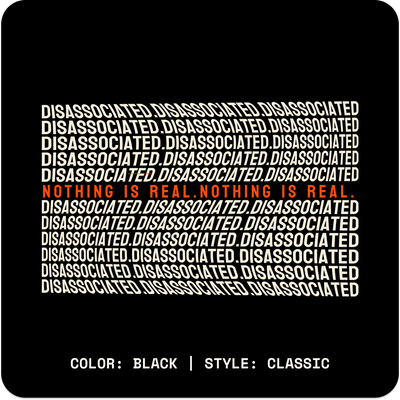
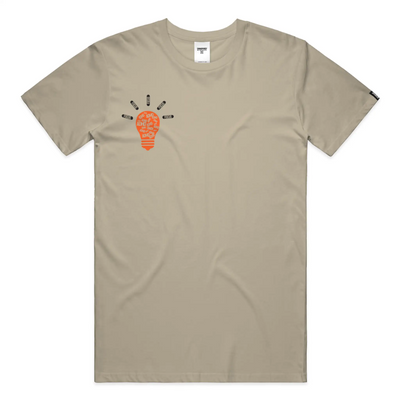
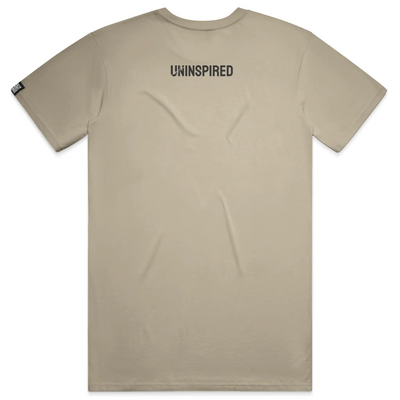
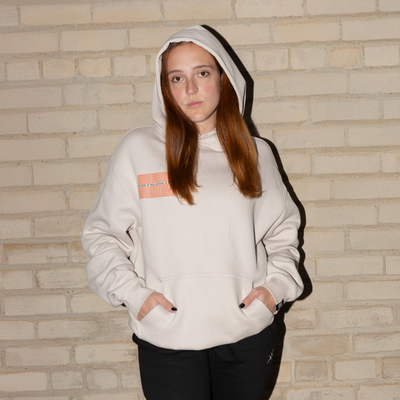
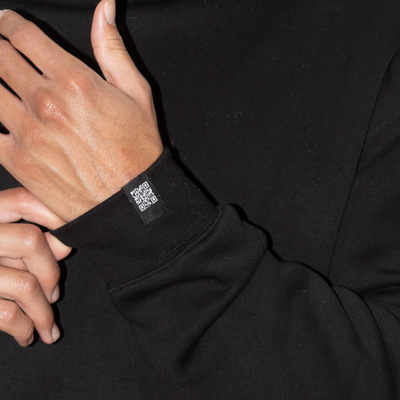
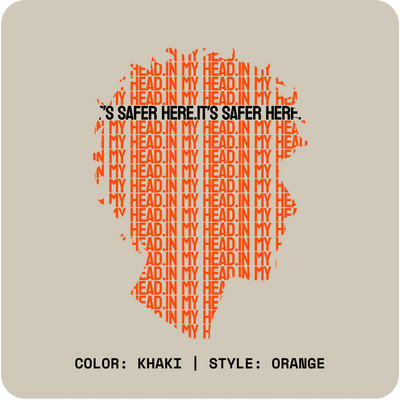
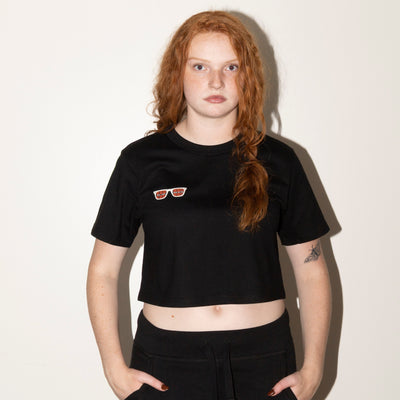
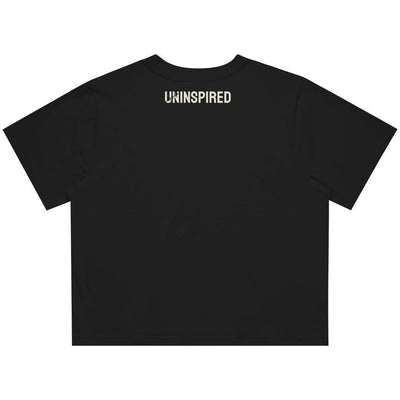
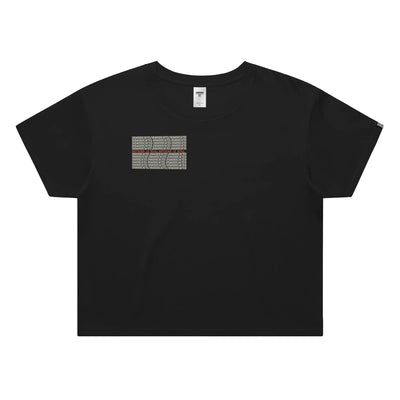
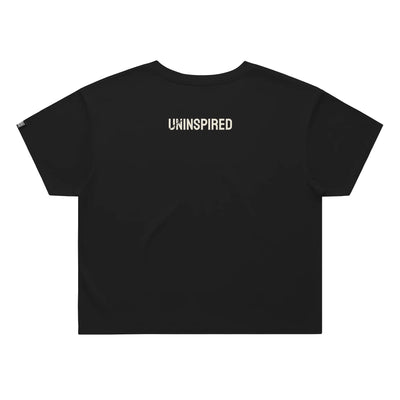
UNINSPIRED makes clothing for the ones who've been performing neurotypicality for years and are finally done with the audition. The Neurodivergent collection is for the ones whose brain runs different — and who stopped pretending it doesn't. Scan the sleeve.

Neurodivergent Masking: The Exhausting Performance of Passing as Normal

For the ones who've spent years studying how other people act so they can do a convincing impression of it.

For the ones who are exhausted in ways that don't make sense to anyone who hasn't been performing since childhood.

For the ones who got good at passing — and then had to figure out who they were when no one was watching.

What Masking Is

Masking — also called camouflaging — is the practice of concealing neurodivergent traits in order to appear neurotypical. It's most commonly discussed in the context of autism and ADHD, though it occurs across a range of neurodivergent experiences.

What it looks like in practice: scripting conversations in advance. Mirroring the body language, facial expressions, and speech patterns of the people around you. Suppressing stimming behavior in public. Forcing eye contact that feels wrong. Monitoring your own responses in real time to make sure they don't register as strange. Laughing at the right moments. Not laughing at the wrong ones.

It's a performance. One most people don't choose consciously — it develops as a response to the social feedback that something about you isn't landing right. That you're too much, too loud, too literal, too intense, too unpredictable. The mask is what you build when the message is clear: who you actually are is not welcome here.

How Masking Develops

Usually early. Usually before there's any language for what's happening or why.

Children who are neurodivergent — diagnosed or not — often receive consistent social feedback that their natural behavior is wrong. The way they talk. The way they respond to sensory input. The interests they have and how intensely they have them. The way they move through social situations that operate on rules that don't make intuitive sense.

The response, when the environment is unaccommodating, is to adapt. To study. To observe what the people around you do and reverse-engineer the rules. Some of this adaptation is explicit — a conscious decision to seem different. Most of it is implicit — the nervous system learning what gets rewarded and what gets punished and adjusting accordingly.

By the time many neurodivergent people reach adulthood, the mask is so integrated that they can't fully separate where it ends and they begin. Which is its own kind of disorientation.

The Cost That Doesn't Show Up Until Later

Masking works. That's the complicated part. It passes. It lets you navigate spaces that would otherwise be hostile. It allows access — to school, to jobs, to relationships. For many neurodivergent people, especially those who weren't diagnosed until adulthood, masking was the thing that got them through.

The bill arrives later.

Autistic burnout — a state of profound physical and mental exhaustion that results from sustained masking and high social demand — is one of the most significant costs. It's different from ordinary burnout. It can involve losing access to skills and capacities that previously felt stable — language, executive function, the ability to do basic daily tasks. It's not a bad week. It's a system that ran past empty and finally stopped.

Even without full burnout: the ongoing cost is real. The energy spent performing costs energy that isn't available for other things. Social events that neurotypical people find energizing or neutral are depleting. Relationships require more maintenance because you're managing not just the relationship but also the performance. The self-monitoring never fully turns off.

The Identity Question

Long-term masking creates a specific identity problem: you've been performing a version of yourself for so long that you've lost access to what's underneath. The preferences you suppressed. The behaviors you eliminated. The ways of engaging that felt natural before you learned they weren't acceptable.

For people who receive late diagnoses — autism, ADHD, or both — this is often one of the most disorienting parts of the post-diagnosis experience. The diagnosis doesn't just explain the past. It raises questions about who you actually are. Which parts of your personality are genuinely yours and which parts are compensatory adaptations? Which interests did you develop because you loved them and which because they were safe to have?

There isn't a clean answer. The mask and the person underneath it aren't fully separate — experience shapes identity, and years of masking have shaped you. The question isn't how to get back to who you were before the mask. It's how to figure out who you are now, with full information.

Unmasking Is Not Simple

"Just unmask" — in environments that weren't built to accommodate neurodivergent people — is not straightforward advice. Unmasking in a professional environment that punishes atypicality costs you professionally. Unmasking in relationships that were built on the masked version of you is complicated. Unmasking publicly when you've been private about your neurodivergence involves risks you get to evaluate.

Unmasking, at its most meaningful, is less about performing authenticity and more about building spaces — relationships, environments, routines — where the performance isn't required. Where stimming doesn't need to be hidden. Where needing a different kind of social break is understood. Where the gap between how you present and how you actually are doesn't have to be maintained at full cost every single day.

It's not a switch. It's a slow reclamation. And it takes longer than anyone tells you, because the mask was built in response to real consequences — and the nervous system isn't going to drop it until it's convinced the consequences have changed.

UNINSPIRED makes clothing for the ones who've been performing neurotypicality for years and are finally done with the audition. The Neurodivergent collection is for the ones whose brain runs different — and who stopped pretending it doesn't. Scan the sleeve.


0 comments

Leave a comment

Please note, comments must be approved before they are published

Favorites

Our most popular looks of the season

Relevant Product