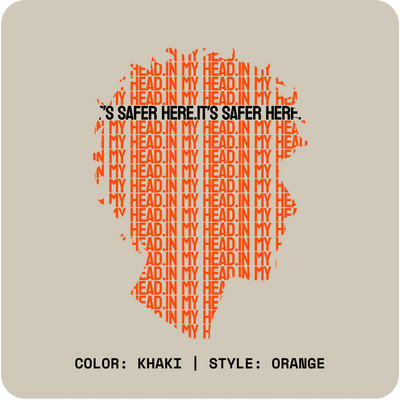
For the ones who learned early that the safest thing they could do was make sure everyone around them was okay.
For the ones who can read a room faster than most people and have never once thought of that as a skill they developed — just as who they are.
For the ones who have given so much to keeping the peace that they've lost track of what they actually want.
What the Fawn Response Is
You've probably heard of fight, flight, and freeze — the three classic responses to threat. Fawn is the fourth.
The fawn response is appeasement as survival. When the threat in the environment is a person — particularly one with power over you — fighting back isn't safe, fleeing isn't always possible, and freezing doesn't resolve the danger. So the nervous system finds another option: make them happy. Become what they need. Remove yourself as the source of friction.
It works, in the short term. The tension reduces. The approval returns. The immediate threat passes.
And the nervous system learns: this is the strategy. This is how we survive.
How It Develops
Fawn responses typically develop in environments where a child's needs, emotions, or autonomy were sources of conflict rather than sources of care.
This doesn't always mean dramatic abuse. Often it's subtler: a parent whose mood was unpredictable and needed to be managed. A home where anger meant danger. A dynamic where love felt conditional on behavior — on being easy, agreeable, low-maintenance. An environment where expressing needs led to withdrawal, criticism, or escalation.
The child doesn't decide to become a people pleaser. Their nervous system decides that anticipating and meeting other people's needs is the most reliable way to stay safe and keep connection. The behavior becomes automatic. By adulthood, it's so integrated it doesn't feel like a survival strategy. It feels like a personality.
What It Looks Like in Adults
Fawn response in adults doesn't always look like obvious people pleasing. It's subtler than that.
It's agreeing with things you don't agree with to avoid conflict. It's apologizing reflexively, before you've even assessed whether you did anything wrong. It's the inability to say no without extensive justification or guilt. It's shrinking your preferences to fit the room. It's monitoring other people's moods as a matter of background survival instinct, not conscious choice.
It's the specific exhaustion of having been the person who manages other people's emotional states for so long that you've stopped registering your own.
And it's the way needs go unmet for years — not because they weren't there, but because the strategy required not having them.
Why It's So Hard to Identify
Because it's been coded as a virtue.
Considerate. Accommodating. Easy to get along with. Great at reading people. Never causes problems. These are things people say admiringly about someone running a fawn response. The behavior that developed as trauma adaptation gets reinforced by external validation as a positive trait.
And because it's so automatic, it doesn't feel like a choice. Fight, flight, and freeze are recognizable as stress responses. Fawn doesn't feel like stress. It feels like generosity, or conflict avoidance, or just being a good person.
Recognizing it as a pattern requires noticing the cost: the resentment that builds when you say yes for the hundredth time when you meant no. The disconnection from your own preferences. The sense that you don't fully know what you actually want, separate from what other people need from you.
The Relationship to Anger
Fawn responses and suppressed anger tend to coexist.
If you've spent years agreeing to things you don't want to agree to, saying things you don't mean, making yourself smaller to keep the peace — there's a ledger. Every unsaid thing, every unmet need, every preference that got overridden. The anger doesn't disappear. It accumulates.
It tends to come out sideways: in situations where the mismatch between internal experience and external performance becomes too wide to hold. In relationships where you finally feel safe enough to stop performing, and the resentment surfaces. In the body, as the chronic stress of constant monitoring and management.
The anger makes sense. It's information about a debt that was never acknowledged.
What Unlearning It Looks Like
Not a switch. Not a decision to stop being a people pleaser.
It's slower than that. It's learning to notice the automatic responses before they complete. The reflex to apologize — and the pause to ask: did I do something that warrants this? The pull toward agreement — and the moment of checking: is this actually what I think?
It's tolerating the discomfort of the person in front of you being mildly unhappy, and discovering that the consequences are smaller than the nervous system predicted.
And it's understanding that saying yes when you mean no isn't kindness. It's a transaction you're making without telling the other person the terms — which means neither of you can actually trust what you have.
For the ones who have been being kind for so long they stopped being able to tell the difference between kindness and self-erasure — there's a difference. You're allowed to find it.
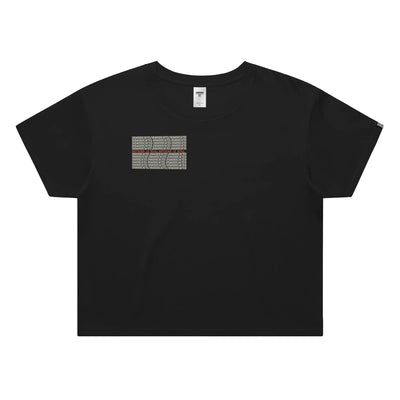
UNINSPIRED makes clothing for the ones done performing pleasantness they don't feel. Shop the Annoying Pleasantries collection. Scan the sleeve.