For the ones who were handed a label and told it was a limitation.
For the ones who spent years trying to hide a word that someone else decided meant less.
For the ones who eventually stopped hiding it — and found out what was on the other side.
How Reclamation Works
Reclamation is what happens when a group takes a word that was used against them and decides to carry it differently. Not to erase its history — the history is part of the point — but to refuse the diminishment built into how it was originally deployed.
It's not new. Communities have been doing it with language for as long as language has been weaponized. What's different now is the scale and the speed. Social media gave neurodivergent people — scattered, often isolated, often undiagnosed for years — a way to find each other. To compare notes. To discover that the thing they'd been trying to hide was something enormous numbers of other people were also hiding.
When you discover you're not alone in a thing, the shame architecture around it starts to shift.
What the Words Were Used to Do
"ADHD" as a punchline. "Autistic" as an insult. "Neurodivergent" as a polite way of saying not quite right. These words entered people's lives through diagnosis appointments, school reports, and the whispered conversations adults had about them in hallways.
They arrived as explanations that felt like indictments. You have this thing. This thing is why you struggle. The framing, in most institutional contexts, was deficit-first: here is what you lack, here is what you can't do, here is the accommodation you need for a world that was built without you in mind.
Internalizing a deficit-first story about yourself over years is its own kind of damage. You stop asking what you're good at and start asking what you're compensating for. The label becomes a ceiling.
What Reclaiming It Actually Does
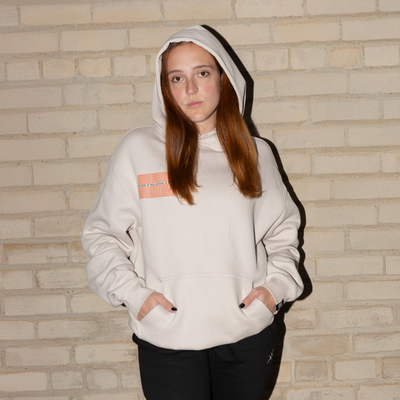
When someone puts "ADHD" on a hoodie and wears it out into the world, they're doing several things at once.
They're refusing the shame. The thing that was supposed to be hidden is now visible, deliberately, on their terms. The label doesn't belong to the institution that gave it or the people who used it as a punchline. It belongs to them.
They're signaling to other people who share it. There's a specific recognition that happens when someone sees a word that names their experience on another person's body. It's not just identification — it's the knowledge that someone else decided it was worth naming publicly. That changes the cost-benefit calculation for everyone who sees it.
And they're changing what the word means in the room. Every time a word that was supposed to diminish gets worn as a statement, its meaning shifts slightly. Not for everyone immediately. But the accumulation matters.
The Difference Between Disclosure and Reclamation
Disclosure is explaining yourself to someone who needs the information. Reclamation is something else.
Disclosure is the conversation with HR. The email to the professor. The note in the medical file. Disclosure exists within systems and serves their logic — here is my diagnosis, here is what I need, here is my documentation.
Reclamation doesn't ask for accommodation. It doesn't explain. It doesn't perform gratitude for being included. It's the garment that says the word on the front and expects nothing in return from the person who reads it.
The ones who need to understand it will. The ones who don't — weren't the audience.
Why This Generation, Now
The neurodivergent reclamation moment is happening now for a specific set of reasons.
Diagnosis rates for ADHD and autism have increased significantly over the past two decades — partly because diagnostic criteria have expanded, partly because awareness has spread, partly because more adults are seeking answers for experiences they couldn't name earlier. Millions of people who grew up without a framework for their differences now have one. Late diagnosis is its own particular experience: grief for the years without the word, alongside relief that the word finally exists.
At the same time, the neurodiversity movement has shifted the conversation from pathology to difference. Not "your brain is broken," but "your brain works differently, and the world was designed for a different kind of brain." That framing gives people something to reclaim rather than just manage.
You can't reclaim a flaw. You can reclaim a difference that was treated as one.
What UNINSPIRED Is Doing With This
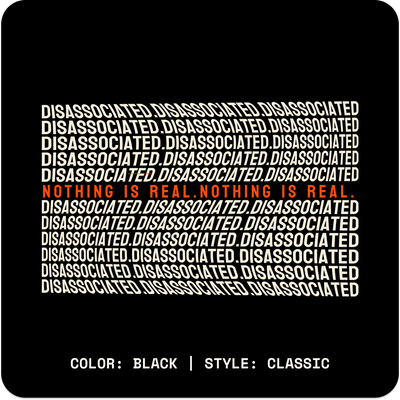
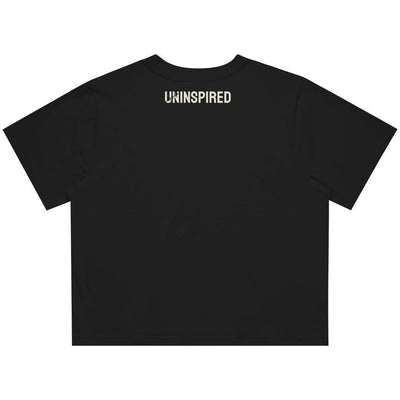
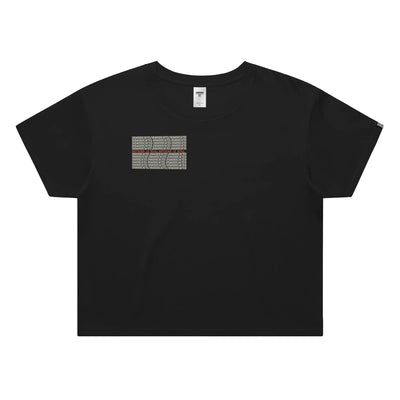
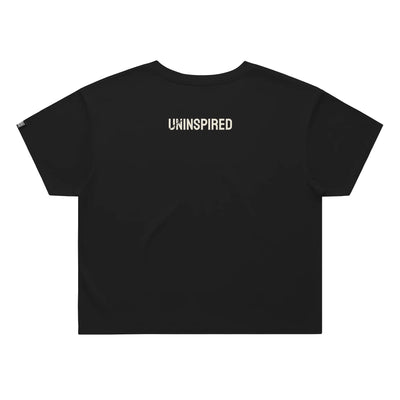
The ADHD hoodie, the Overstimulated hoodie, the Disassociated hoodie — these aren't diagnoses on fabric. They're the words people already know about themselves, worn in the way they actually feel about them now: not as apologies, not as disclosures, but as statements.
For the ones done explaining. For the ones who know what the word means in their body. For the ones who've decided that hiding it costs more than wearing it.
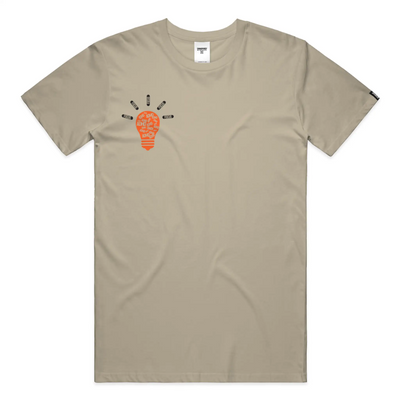
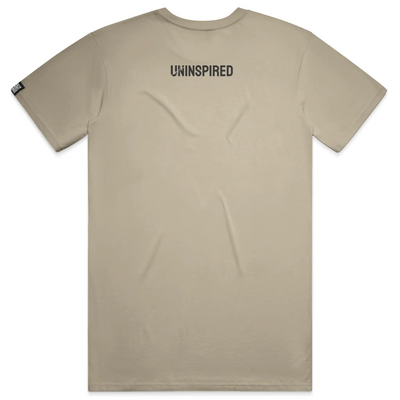
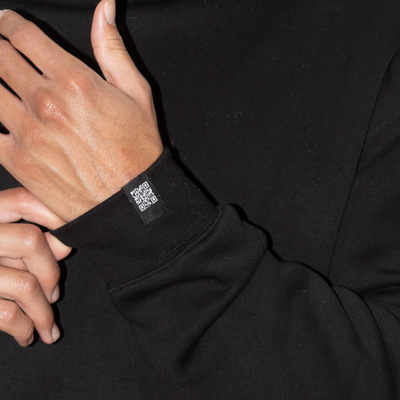
UNINSPIRED makes clothing for the ones who are done hiding the words that describe them. Shop the UNSPOKEN collection. Scan the sleeve.