Why Neurodivergent People Are Reclaiming the Words Used Against Them

For the ones who were "too much" before they had a word for what they were.

For the ones who spent years trying to be less — less loud, less intense, less sensitive, less themselves — and have recently stopped.


What Reclaiming Actually Means

Reclaiming a word means taking it back from the context where it was used against you and deciding what it means on your own terms.

For a lot of neurodivergent people, the words used to describe them throughout childhood — scattered, disruptive, too sensitive, can't sit still, too much, not enough — arrived as criticism. As evidence of something wrong. As a verdict on their character rather than a description of how their brain works.

Reclaiming is the process of taking those words — or the clinical ones that arrived later — and deciding they mean something different. Not wrong. Not deficit. Not broken. Different. Specific. Valid.


The Words That Defined You Before You Could Define Yourself

Most people who are neurodivergent received their first language about themselves from systems that weren't built to understand them. Schools designed for one kind of attention called kids with ADHD disruptive. Environments designed for one kind of sensory tolerance called kids with sensory differences dramatic. Social contexts designed for neurotypical communication called autistic kids rude or cold or weird.

The language arrived as judgment because the environments doing the labeling didn't have better language. They named what they saw as deviation from a standard that was never universal to begin with.


What Changes When You Find the Right Words

The right words change the story. When "scattered" becomes ADHD, it stops being a character flaw and starts being a neurological pattern with a known mechanism. When "too sensitive" becomes sensory processing difference, it stops being weakness and starts being information about how your nervous system works. When "can't" becomes "works differently," the question shifts from "what's wrong with you" to "what do you actually need."


Reclaiming Doesn't Mean Erasing the Hard Parts

Reclaiming identity from neurodivergence isn't the same as toxic positivity about it. It doesn't mean pretending the hard parts aren't hard. Reclaiming means holding both: the genuine difficulty and the refusal to let the difficulty be the whole story. You don't have to choose between acknowledging the hard parts and refusing the deficit frame. Most neurodivergent people already do.


For the ones who were described as problems before they were described as people — the description was always incomplete. You were always more than what the frame could hold.


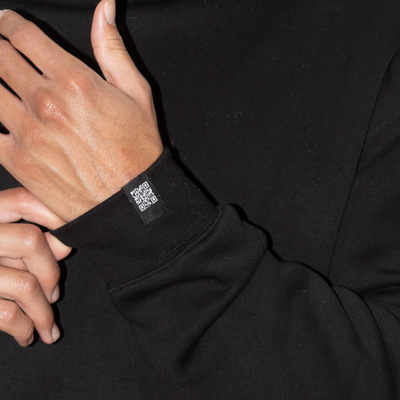
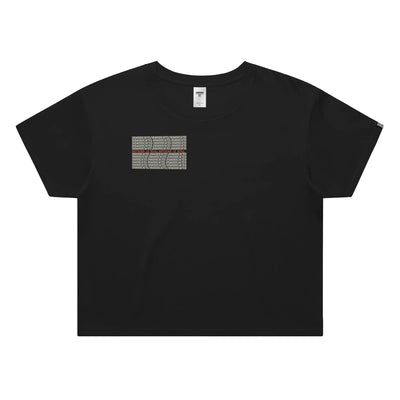
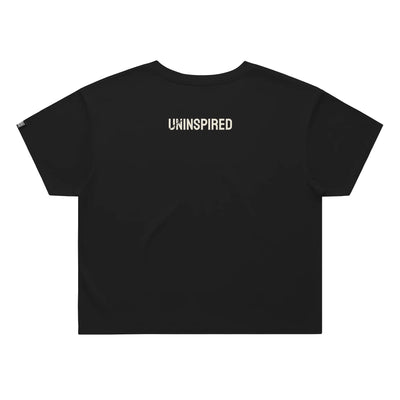
UNINSPIRED makes clothing for the ones who are done being someone else's definition. Shop the collection. Scan the sleeve.

Why Neurodivergent People Are Reclaiming the Words Used Against Them

For the ones who were "too much" before they had a word for what they were.

For the ones who spent years trying to be less — less loud, less intense, less sensitive, less themselves — and have recently stopped.


What Reclaiming Actually Means

Reclaiming a word means taking it back from the context where it was used against you and deciding what it means on your own terms.

For a lot of neurodivergent people, the words used to describe them throughout childhood — scattered, disruptive, too sensitive, can't sit still, too much, not enough — arrived as criticism. As evidence of something wrong. As a verdict on their character rather than a description of how their brain works.

Reclaiming is the process of taking those words — or the clinical ones that arrived later — and deciding they mean something different. Not wrong. Not deficit. Not broken. Different. Specific. Valid.


The Words That Defined You Before You Could Define Yourself

Most people who are neurodivergent received their first language about themselves from systems that weren't built to understand them. Schools designed for one kind of attention called kids with ADHD disruptive. Environments designed for one kind of sensory tolerance called kids with sensory differences dramatic. Social contexts designed for neurotypical communication called autistic kids rude or cold or weird.

The language arrived as judgment because the environments doing the labeling didn't have better language. They named what they saw as deviation from a standard that was never universal to begin with.


What Changes When You Find the Right Words

The right words change the story. When "scattered" becomes ADHD, it stops being a character flaw and starts being a neurological pattern with a known mechanism. When "too sensitive" becomes sensory processing difference, it stops being weakness and starts being information about how your nervous system works. When "can't" becomes "works differently," the question shifts from "what's wrong with you" to "what do you actually need."


Reclaiming Doesn't Mean Erasing the Hard Parts

Reclaiming identity from neurodivergence isn't the same as toxic positivity about it. It doesn't mean pretending the hard parts aren't hard. Reclaiming means holding both: the genuine difficulty and the refusal to let the difficulty be the whole story. You don't have to choose between acknowledging the hard parts and refusing the deficit frame. Most neurodivergent people already do.


For the ones who were described as problems before they were described as people — the description was always incomplete. You were always more than what the frame could hold.


UNINSPIRED makes clothing for the ones who are done being someone else's definition. Shop the collection. Scan the sleeve.


0 comments

Leave a comment

Please note, comments must be approved before they are published

Favorites

Our most popular looks of the season

Relevant Product