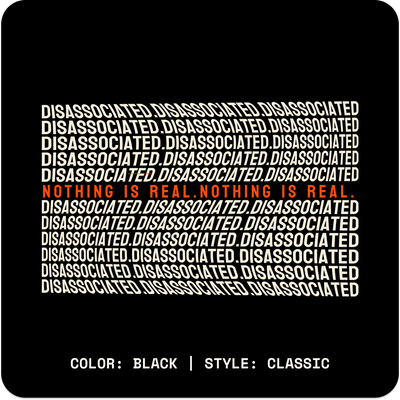
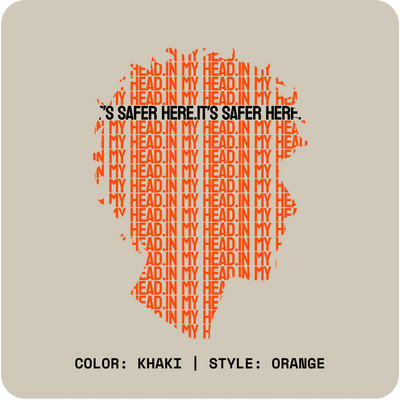
For the ones who've been told to count their blessings in the middle of something that has nothing to do with blessings.
For the ones who tried gratitude journaling and still felt the same, and then blamed themselves for doing it wrong.
For the ones who would like to stop being told what they should be feeling.
What Gratitude Actually Is
Real gratitude is a feeling, not a practice. It's what shows up when you've noticed something genuinely good — a moment, a person, something that exists in your life that you recognize as worth having. It arrives. It doesn't have to be summoned.
The version that gets deployed against depression is different. "Just be grateful" is not an invitation to notice what's good. It's an instruction to feel differently than you currently do. To replace the current emotional state with a better one, by redirecting attention to the things that should make the current state feel unjustified.
That's not gratitude. That's redirection.
Why It Doesn't Work on Depression
Depression is not a thinking error. It's not a failure to notice the good things. People who are depressed frequently know, intellectually, that there are good things in their lives. They can list them. They can look at objectively good circumstances and know they should feel something about them and feel nothing, or feel the good thing distantly, through glass, with a delay that means it doesn't register as relief.
This is one of depression's defining features: the disconnect between knowing and feeling. The brain's ability to generate the emotional response that should accompany the thought is impaired. Pointing at reasons to be grateful and telling the person to feel grateful requires that machinery to work. In depression, it often doesn't.
"Just be grateful" assumes the problem is that the person isn't looking at the right things. It's not. The problem is that looking at the right things isn't producing the expected response. Adding the instruction to look harder doesn't fix that. It adds shame to it.
The Shame Stack
Here's what happens when someone who is depressed is told to be grateful:
They try. They think of the things. The things don't produce the expected feeling. They conclude that they're failing at gratitude on top of failing at not being depressed. The shame compounds. They feel worse for having tried and been unable to arrive at the required feeling.
This is one of the ways toxic positivity makes things harder rather than better. It doesn't just fail to help. It adds an additional layer of self-blame to an experience that already produces enormous amounts of it.
What Actually Helps
Not a reframe. Not a prescribed emotion. Connection, when it's available. Professional support, which is evidence-based and real. The removal of the requirement to feel differently than you do, which takes pressure off a system that's already under load.
Sometimes just acknowledging "I can't feel that right now, and that's okay" — rather than trying harder to feel it — creates more space than any gratitude list.
What helps is not the instruction. It's the absence of the instruction. Permission to be where you actually are, which is different from the place you're being asked to get to.
For the ones who've tried gratitude and found it bounces off — that's not a personal failure. That's what depression does. It's not about the list. It was never about the list.
UNINSPIRED doesn't tell you how to feel. The Annoying Pleasantries collection wears the things we're done being told. Scan the sleeve.