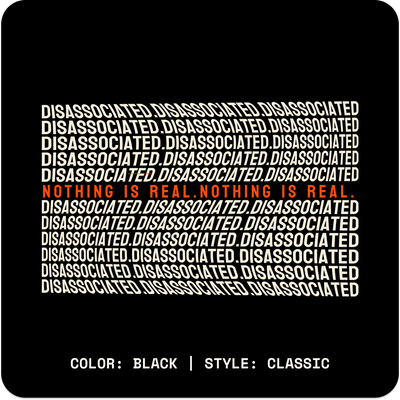
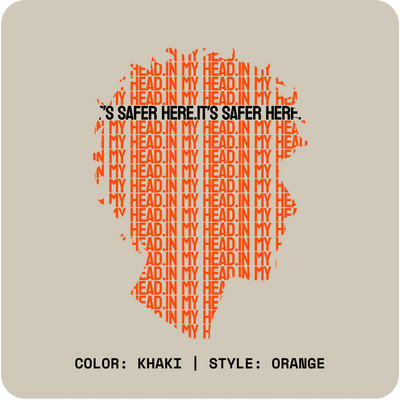
For the ones who have a good life by every measurable standard and still can't get out of bed some mornings.
For the ones who know what they have to be grateful for and feel it not at all.
For the ones who've been told to count their blessings so many times it started to feel like an accusation.
What 'Just Be Grateful' Is Actually Saying
"Just be grateful" carries an implicit message that rarely gets examined: that the depression is a choice. That the suffering is a perspective problem. That if you would simply redirect your attention to the good things, the bad feeling would resolve. This is not how depression works.
Depression Is Not a Perspective Problem
Depression is a clinical condition with neurobiological roots. It affects the brain's ability to regulate mood, motivation, sleep, appetite, and cognitive function. It is not caused by insufficient gratitude. It is not fixed by choosing to see things differently.
One of the defining features of depression is anhedonia — the inability to feel pleasure or positive emotion from things that would normally provide it. A person in a depressive episode isn't failing to notice the good things. They're experiencing a neurological state in which those things don't register as they normally would. Telling someone in this state to "just be grateful" is like telling someone with a broken leg to "just walk it off."
The Shame Layer
"Just be grateful" adds something to depression that depression doesn't come with on its own: shame about the depression.
Depression already comes with a voice that says you have no right to feel this way. When someone outside says "just be grateful," they confirm the worst thing that voice is already saying. They provide external evidence for the internal conviction that the suffering is a moral failure. This shame doesn't lift the depression. It makes it heavier.
Gratitude That Actually Works
Gratitude practice, done outside a clinical depression and without coercive framing, does have genuine psychological benefits. The difference between useful gratitude practice and toxic positivity about gratitude is context and coercion. Gratitude as a chosen practice, integrated over time: potentially useful. Gratitude as a prescription for current suffering, delivered as an implicit correction: not useful, and often actively harmful.
The version that helps doesn't say "feel this instead of that." It says "this exists too, when you can access it." That's a different ask — and a different result.
For the ones who have a lot to be grateful for and still feel it not at all — that's what depression is. Not ingratitude. Not a perspective failure. Not something you can think your way out of. You're not doing it wrong. The advice was wrong.
UNINSPIRED makes clothing for the ones who are done being told how to feel. The Annoying Pleasantries collection wears the phrases we're tired of hearing. Scan the sleeve.