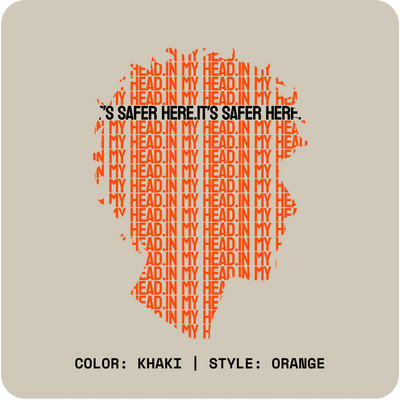
For the ones who were told they could be anything and turned out to be exhausted.
For the ones who are twenty-three and already burned out from a career they haven't fully started.
For the ones who look fine on every platform and feel like a completely different person offline.
Gen Z Burnout Is Real — And Different
Burnout used to be something that happened to people in their forties. A consequence of decades in demanding careers, accumulated responsibility, and years of running on fumes. You burned out after a long run.
Gen Z is burning out before the run has really started.
Reports consistently show that Gen Z reports higher rates of stress, anxiety, depression, and burnout than any previous generation at the same age. This gets misread — constantly — as fragility. As entitlement. As a generation that can't handle things.
That reading is wrong. What's actually happening is more specific.
The Specific Weight Gen Z Is Carrying
Gen Z came of age during a period of layered, compounding crises: a global pandemic during formative developmental years, an economic environment that decoupled effort from outcome, climate anxiety at a scale no previous generation has faced, and the first fully digital adolescence — with all the comparison, performance, and absence of private space that entails.
They also inherited a cultural moment that is, for the first time, genuinely honest about mental health — which is good, but comes with its own cost. When you have language for how bad things are, you can no longer pretend not to know. Naming the problem doesn't automatically make it smaller. Sometimes it just makes the weight more visible.
And they are doing this while being repeatedly told to perform resilience. To be grateful. To look on the bright side. To hustle harder. To be their authentic selves while also optimizing every output for an algorithm.
The contradiction is exhausting. The performance of being okay in environments that aren't safe for not-okay-ness is exhausting. The gap between internal reality and external presentation is exhausting.
Why "Done Pretending" Is the Right Frame
Gen Z isn't collapsing. They're refusing.
The "done pretending" moment isn't weakness — it's the point where the cost of maintaining the performance exceeds whatever benefit the performance was delivering. When the energy required to appear fine exceeds the energy available. When the gap between the mask and the face gets too wide to hold.
This shows up in a lot of places: in the rejection of toxic positivity, in the normalization of therapy and mental health language, in the refusal to perform enthusiasm for jobs and systems that aren't delivering on their promises, in the viral moments where someone says the quiet part out loud and ten million people respond with "this is exactly it."
These aren't signs of a generation that can't cope. They're signs of a generation that has decided that performing cope-ness for the comfort of older observers isn't worth the cost.
What "Pretending" Actually Costs
The performance of okay-ness isn't free. It runs on a finite resource — sometimes called emotional labor, sometimes called masking, sometimes just called energy — and when that resource is depleted, there's nothing left for the actual work of being a person.
Chronic pretending teaches you that your real feelings are unacceptable. That you need to be processed and curated before you're fit for public consumption. That the unedited version of you is too much, too sad, too anxious, too real.
The generational refusal to keep doing this isn't immaturity. It's the recognition that the deal was never good. That performing fine for an audience that will never actually see you is a transaction with no real return.
For the ones who are done — that's allowed. The performance was optional the whole time. You just weren't told that.
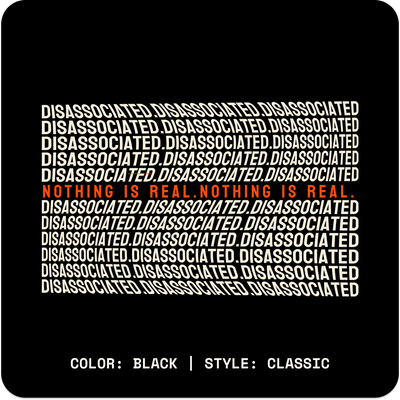
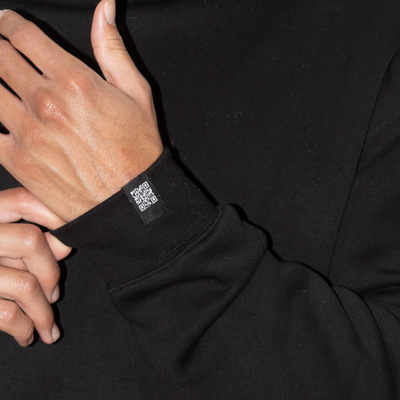
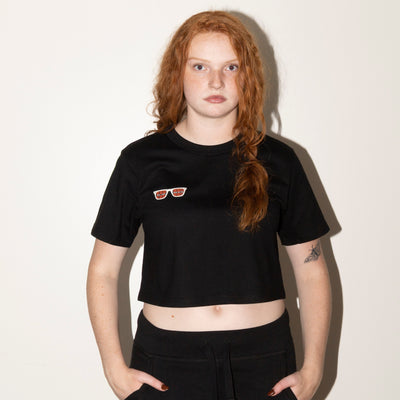
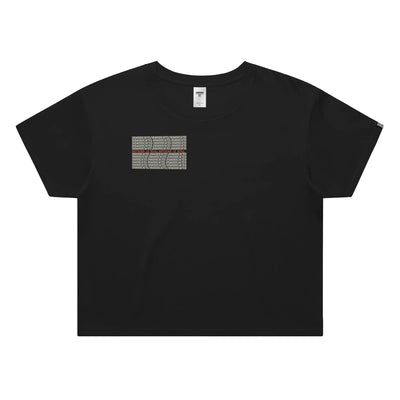
UNINSPIRED exists for the ones who are done pretending. Clothing that says what you've stopped hiding. Shop the UNSPOKEN collection. Scan the sleeve — there's more inside.