What It Means to Be 'Built Different' When the World Wasn't Built for You

For the ones who have always known they process differently — before they had a word for it.

For the ones who were told they were too much and not enough simultaneously, sometimes in the same sentence.

For the ones who spent years trying to run someone else's operating system and are only recently learning to stop.


What 'Built Different' Actually Means

Not a brag. Not an excuse. Not the caption on a gym motivation post.

For neurodivergent people, built different is the most literal description available. The architecture is different. The way information gets processed, filtered, prioritized, felt — different. Not a lesser version of how most people's brains work. A genuinely distinct version, with its own strengths, its own failure modes, and its own requirements for functioning well.

The world wasn't built for it. That's the problem. Not the brain.


What the World Was Built For

Most of the systems people navigate daily — schools, offices, social scripts, productivity tools, communication norms — were designed with a particular kind of brain in mind. One that learns best through instruction rather than exploration. One that sustains attention on demand rather than in cycles. One that filters sensory input automatically rather than manually. One that reads implicit social cues without conscious effort.

These systems work well for that kind of brain. They work less well — sometimes not at all — for the ones built differently.

This doesn't mean neurodivergent people can't navigate these systems. Most do, most of the time, through a combination of masking, adaptation, and effort that other people don't have to expend. It means the navigation costs more. It means the working conditions were calibrated for someone else.


The Cost of Running Someone Else's Operating System

Most neurodivergent people spend years, sometimes decades, trying to approximate the default. To sit still when their brain needs to move. To focus sequentially when their brain works in parallel. To respond to social cues they read differently. To perform a version of normal that doesn't quite fit.

This works. In the sense that it allows participation in systems designed for a different kind of person. It has a cost. The cognitive and emotional load of performing the default — the masking, the constant monitoring, the translation from how you actually work to how you're expected to work — is real and it compounds.

The crash at the end of a sustained period of performing the default isn't weakness. It's a system paying its debts.


What Strengths Look Like on a Different Architecture

Neurodivergent brains aren't optimized for the same things neurotypical brains are. They're often optimized for different things entirely.

The hyperfocus that makes sustained attention to obligation difficult makes sustained attention to interest extraordinary. The pattern recognition that makes some social scripts hard to execute makes other kinds of pattern recognition sharp. The sensory sensitivity that makes certain environments difficult gives access to detail most people miss. The lateral thinking that doesn't follow expected pathways produces unexpected connections.

These aren't consolation prizes. They're structural features of a brain that processes the world differently. They show up differently in different people, and they're more accessible when the person isn't spending most of their energy on the performance of normal.


Why 'Built Different' Matters as Language

The language available for neurodivergence has historically been deficit-focused. Disorder. Dysfunction. Difficulty. Delay. The clinical framing is necessary for diagnosis and treatment access, but it tells an incomplete story.

Built different doesn't erase the hard parts. It doesn't pretend the mismatch between neurodivergent brains and neurotypical systems isn't real, or that it isn't costly. It holds both: the genuine difficulty of being calibrated for a world that wasn't designed for you, and the refusal to let that difficulty be the whole description.

Different. Not less. Built for something. Just not always the thing the environment was set up to reward.


For the ones who have spent years wondering what was wrong with them — the question was pointing at the wrong thing. Nothing is wrong with the architecture. The environment just wasn't built for it.


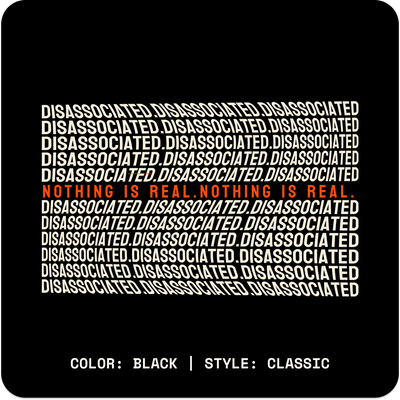
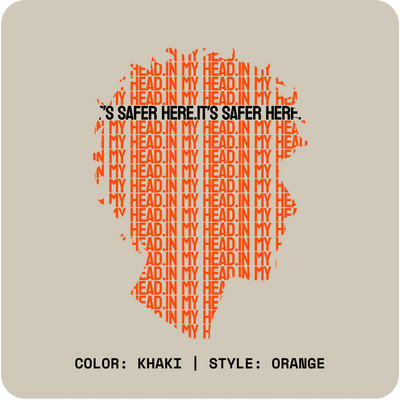
UNINSPIRED makes clothing for the ones whose brains run on a different default. Shop the UNSPOKEN collection. Scan the sleeve.

What It Means to Be 'Built Different' When the World Wasn't Built for You

For the ones who have always known they process differently — before they had a word for it.

For the ones who were told they were too much and not enough simultaneously, sometimes in the same sentence.

For the ones who spent years trying to run someone else's operating system and are only recently learning to stop.


What 'Built Different' Actually Means

Not a brag. Not an excuse. Not the caption on a gym motivation post.

For neurodivergent people, built different is the most literal description available. The architecture is different. The way information gets processed, filtered, prioritized, felt — different. Not a lesser version of how most people's brains work. A genuinely distinct version, with its own strengths, its own failure modes, and its own requirements for functioning well.

The world wasn't built for it. That's the problem. Not the brain.


What the World Was Built For

Most of the systems people navigate daily — schools, offices, social scripts, productivity tools, communication norms — were designed with a particular kind of brain in mind. One that learns best through instruction rather than exploration. One that sustains attention on demand rather than in cycles. One that filters sensory input automatically rather than manually. One that reads implicit social cues without conscious effort.

These systems work well for that kind of brain. They work less well — sometimes not at all — for the ones built differently.

This doesn't mean neurodivergent people can't navigate these systems. Most do, most of the time, through a combination of masking, adaptation, and effort that other people don't have to expend. It means the navigation costs more. It means the working conditions were calibrated for someone else.


The Cost of Running Someone Else's Operating System

Most neurodivergent people spend years, sometimes decades, trying to approximate the default. To sit still when their brain needs to move. To focus sequentially when their brain works in parallel. To respond to social cues they read differently. To perform a version of normal that doesn't quite fit.

This works. In the sense that it allows participation in systems designed for a different kind of person. It has a cost. The cognitive and emotional load of performing the default — the masking, the constant monitoring, the translation from how you actually work to how you're expected to work — is real and it compounds.

The crash at the end of a sustained period of performing the default isn't weakness. It's a system paying its debts.


What Strengths Look Like on a Different Architecture

Neurodivergent brains aren't optimized for the same things neurotypical brains are. They're often optimized for different things entirely.

The hyperfocus that makes sustained attention to obligation difficult makes sustained attention to interest extraordinary. The pattern recognition that makes some social scripts hard to execute makes other kinds of pattern recognition sharp. The sensory sensitivity that makes certain environments difficult gives access to detail most people miss. The lateral thinking that doesn't follow expected pathways produces unexpected connections.

These aren't consolation prizes. They're structural features of a brain that processes the world differently. They show up differently in different people, and they're more accessible when the person isn't spending most of their energy on the performance of normal.


Why 'Built Different' Matters as Language

The language available for neurodivergence has historically been deficit-focused. Disorder. Dysfunction. Difficulty. Delay. The clinical framing is necessary for diagnosis and treatment access, but it tells an incomplete story.

Built different doesn't erase the hard parts. It doesn't pretend the mismatch between neurodivergent brains and neurotypical systems isn't real, or that it isn't costly. It holds both: the genuine difficulty of being calibrated for a world that wasn't designed for you, and the refusal to let that difficulty be the whole description.

Different. Not less. Built for something. Just not always the thing the environment was set up to reward.


For the ones who have spent years wondering what was wrong with them — the question was pointing at the wrong thing. Nothing is wrong with the architecture. The environment just wasn't built for it.


UNINSPIRED makes clothing for the ones whose brains run on a different default. Shop the UNSPOKEN collection. Scan the sleeve.


0 comments

Leave a comment

Please note, comments must be approved before they are published

Favorites

Our most popular looks of the season

Relevant Product