What Is Toxic Positivity? How to Spot It — and Why It Makes Things Worse

For the ones who've been told to look on the bright side so many times it started to feel like a threat.

For the ones who said "I'm really struggling" and got "but at least..." in response.

For the ones who knew something was wrong with the script but couldn't name it yet.

Here's the name: toxic positivity.


What Is Toxic Positivity?

Toxic positivity is the insistence on maintaining a positive mindset regardless of what's actually happening — and the dismissal of any feeling that doesn't fit that frame.

It's not the same as being optimistic. Optimism leaves room for the hard thing to be hard. Toxic positivity doesn't. It treats negative emotion as a problem to be corrected rather than information to be heard.

The word "toxic" matters here. It's not that positivity itself is bad. It's that when positivity becomes a requirement — when it's used to shut down, dismiss, or paper over real emotional experiences — it becomes harmful. It invalidates. It isolates. It teaches people that their authentic feelings are wrong.


Toxic Positivity Examples: What It Actually Sounds Like

You've heard these. You've probably said some of them without realizing.

  • "Everything happens for a reason."
  • "Good vibes only."
  • "At least it could be worse."
  • "Just be grateful for what you have."
  • "Stay strong."
  • "Positive thoughts only."
  • "You just need to change your mindset."
  • "It's not that bad."
  • "Don't let it get to you."
  • "Think happy thoughts."

None of these are technically wrong. Some of them are well-intentioned. But all of them do the same thing: they redirect away from the feeling rather than acknowledging it. They put the burden on the person who's struggling to feel differently, rather than allowing the feeling to exist.


Why Toxic Positivity Is Harmful

When someone shares something painful and gets a toxic positivity response, several things happen simultaneously.

First, the feeling gets dismissed. The message received is: your negative feeling is inappropriate. Correct it. For someone who was already uncertain about whether they had the right to feel what they feel, this confirms their worst fear — that they're too much, overreacting, ungrateful.

Second, the person learns that it's not safe to be honest. If honesty is met with "just look on the bright side," the logical adaptation is to stop being honest. To say "I'm fine" instead. To perform okay-ness in order to avoid the correction.

Third, the actual problem doesn't get addressed. Feelings aren't random noise. They're information. Grief is telling you something mattered. Anger is telling you a boundary was crossed. Anxiety is telling you something feels unsafe. When we short-circuit those signals with forced positivity, the underlying information never gets processed.

This is why toxic positivity isn't just annoying. It's actively harmful. It disrupts the emotional processing that keeps people healthy and prevents the authentic connection that makes relationships real.


Toxic Positivity in Wellness Culture

Wellness culture is one of the most reliable delivery systems for toxic positivity — and it's worth naming specifically because it's often the last place people expect to find it.

The language sounds supportive. "High vibrations." "Manifest your best life." "Your thoughts create your reality." "Choose joy." It comes wrapped in crystals and morning routines and the aesthetic of self-care.

But underneath a lot of it is the same message: if you feel bad, you're doing something wrong. If you're depressed, you're not meditating enough. If you're anxious, you're not gratitude journaling enough. If you can't "good vibes only" your way through a crisis, the crisis is your fault.

This is what's sometimes called spiritual bypassing — using spiritual or wellness practices to avoid rather than process difficult feelings. The practices themselves aren't the problem. It's using them as a way to skip the hard emotional work rather than support it.


What the Alternative Looks Like

The opposite of toxic positivity isn't toxic negativity. It's not wallowing, catastrophizing, or refusing to ever feel hope.

It's acknowledgment. It's making room for whatever is actually true.

"That sounds really hard" instead of "at least it could be worse." "I'm here" instead of "everything happens for a reason." "You don't have to be okay right now" instead of "stay strong."

The difference is that acknowledgment doesn't ask the person to feel differently. It just sits with them in what's true. And that — being witnessed without being corrected — is what actually helps.


For the ones who are tired of being told to look on the bright side — the dark side is also allowed. It's where most of the real things live.


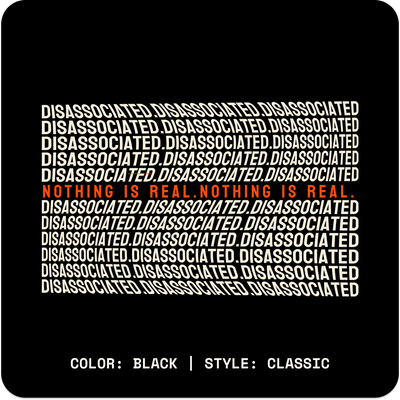
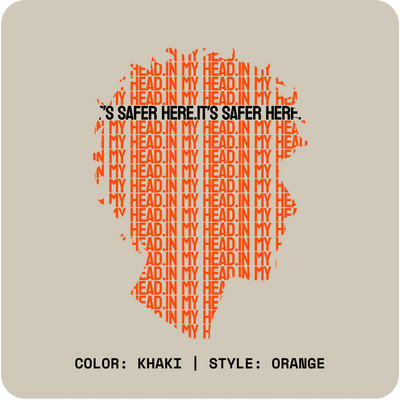
UNINSPIRED was built for the ones who don't want to perform fine anymore. The Annoying Pleasantries collection wears the scripts we're tired of saying. Scan the sleeve — there's something more honest inside.

What Is Toxic Positivity? How to Spot It — and Why It Makes Things Worse

For the ones who've been told to look on the bright side so many times it started to feel like a threat.

For the ones who said "I'm really struggling" and got "but at least..." in response.

For the ones who knew something was wrong with the script but couldn't name it yet.

Here's the name: toxic positivity.


What Is Toxic Positivity?

Toxic positivity is the insistence on maintaining a positive mindset regardless of what's actually happening — and the dismissal of any feeling that doesn't fit that frame.

It's not the same as being optimistic. Optimism leaves room for the hard thing to be hard. Toxic positivity doesn't. It treats negative emotion as a problem to be corrected rather than information to be heard.

The word "toxic" matters here. It's not that positivity itself is bad. It's that when positivity becomes a requirement — when it's used to shut down, dismiss, or paper over real emotional experiences — it becomes harmful. It invalidates. It isolates. It teaches people that their authentic feelings are wrong.


Toxic Positivity Examples: What It Actually Sounds Like

You've heard these. You've probably said some of them without realizing.

  • "Everything happens for a reason."
  • "Good vibes only."
  • "At least it could be worse."
  • "Just be grateful for what you have."
  • "Stay strong."
  • "Positive thoughts only."
  • "You just need to change your mindset."
  • "It's not that bad."
  • "Don't let it get to you."
  • "Think happy thoughts."

None of these are technically wrong. Some of them are well-intentioned. But all of them do the same thing: they redirect away from the feeling rather than acknowledging it. They put the burden on the person who's struggling to feel differently, rather than allowing the feeling to exist.


Why Toxic Positivity Is Harmful

When someone shares something painful and gets a toxic positivity response, several things happen simultaneously.

First, the feeling gets dismissed. The message received is: your negative feeling is inappropriate. Correct it. For someone who was already uncertain about whether they had the right to feel what they feel, this confirms their worst fear — that they're too much, overreacting, ungrateful.

Second, the person learns that it's not safe to be honest. If honesty is met with "just look on the bright side," the logical adaptation is to stop being honest. To say "I'm fine" instead. To perform okay-ness in order to avoid the correction.

Third, the actual problem doesn't get addressed. Feelings aren't random noise. They're information. Grief is telling you something mattered. Anger is telling you a boundary was crossed. Anxiety is telling you something feels unsafe. When we short-circuit those signals with forced positivity, the underlying information never gets processed.

This is why toxic positivity isn't just annoying. It's actively harmful. It disrupts the emotional processing that keeps people healthy and prevents the authentic connection that makes relationships real.


Toxic Positivity in Wellness Culture

Wellness culture is one of the most reliable delivery systems for toxic positivity — and it's worth naming specifically because it's often the last place people expect to find it.

The language sounds supportive. "High vibrations." "Manifest your best life." "Your thoughts create your reality." "Choose joy." It comes wrapped in crystals and morning routines and the aesthetic of self-care.

But underneath a lot of it is the same message: if you feel bad, you're doing something wrong. If you're depressed, you're not meditating enough. If you're anxious, you're not gratitude journaling enough. If you can't "good vibes only" your way through a crisis, the crisis is your fault.

This is what's sometimes called spiritual bypassing — using spiritual or wellness practices to avoid rather than process difficult feelings. The practices themselves aren't the problem. It's using them as a way to skip the hard emotional work rather than support it.


What the Alternative Looks Like

The opposite of toxic positivity isn't toxic negativity. It's not wallowing, catastrophizing, or refusing to ever feel hope.

It's acknowledgment. It's making room for whatever is actually true.

"That sounds really hard" instead of "at least it could be worse." "I'm here" instead of "everything happens for a reason." "You don't have to be okay right now" instead of "stay strong."

The difference is that acknowledgment doesn't ask the person to feel differently. It just sits with them in what's true. And that — being witnessed without being corrected — is what actually helps.


For the ones who are tired of being told to look on the bright side — the dark side is also allowed. It's where most of the real things live.


UNINSPIRED was built for the ones who don't want to perform fine anymore. The Annoying Pleasantries collection wears the scripts we're tired of saying. Scan the sleeve — there's something more honest inside.


0 comments

Leave a comment

Please note, comments must be approved before they are published

Favorites

Our most popular looks of the season

Relevant Product