What Is Imposter Syndrome? (And Why the Odds Were Wrong About You)

For the ones who got the thing they worked for and immediately waited to be found out.

For the ones who carry their credentials like a question mark, not a period.

For the ones the statistics said wouldn't make it — and made it anyway.

What imposter syndrome actually means

Imposter syndrome is the persistent belief that your success is unearned — that you've fooled everyone, that you don't actually belong where you've arrived, and that it's only a matter of time before someone figures it out.

The term was coined by psychologists Pauline Clance and Suzanne Imes in 1978. They were studying high-achieving women who, despite their accomplishments, couldn't internalize their own competence. They attributed their success to luck, timing, charm, an error in judgment by someone else — anything except their own ability.

The research has expanded significantly since then. Imposter syndrome is not unique to women, not unique to high achievers, and not unique to any one industry or context. But it does hit hardest in specific conditions: when you're the first. When you were told you probably wouldn't. When the environment around you doesn't include many people who look or come from where you come from.

Why it's worst when you've earned it most

This is the central paradox and it's important to name it directly.

Imposter syndrome typically intensifies with success, not success's absence. The more you accomplish, the more opportunity there is to attribute that accomplishment to something other than yourself — because you're still you, and the story you have about what someone like you is capable of hasn't updated at the same pace as your actual life.

That gap is where imposter syndrome lives. Between what you've done and what you've allowed yourself to believe you're capable of doing.

The achievement lands. The internal acknowledgment of it doesn't. So you keep your head down, keep proving yourself, and wait for the floor to give out — even when you're the one who built it.

The specific version that comes from being told you wouldn't

There's a particular texture to imposter syndrome when it's been seasoned by statistics, by being told the numbers weren't in your favor, by growing up in rooms where people like you weren't the ones who usually stayed.

The statistics were descriptive. They were never prescriptive. They described what had happened, not what was possible. But when you've been presented with them as prediction — when "most people like you don't" gets installed as a frame around everything you attempt — they leave a residue.

Even after you've cleared them. Even after the data point has been revised, at least in your specific case, by reality.

The voice that says you don't belong here isn't evidence-based. It's archive-based. It's pulling from old files in an environment that has already changed.

What imposter syndrome looks like in practice

It's over-preparing to the point where the preparation becomes its own source of anxiety — because if you're this prepared and you still fail, what does that say?

It's deflecting compliments so automatically you don't notice you're doing it. It's minimizing your role in things that went well and owning your role in everything that didn't.

It's not applying for things you're qualified for because you don't feel qualified enough — while watching people with less preparation apply anyway, with apparent confidence.

It's sitting in rooms you earned a seat in and spending the meeting calculating whether anyone can tell you don't belong there.

Why "fake it till you make it" doesn't work

The standard advice is to perform confidence until it becomes real. The problem with this is that it treats imposter syndrome as a confidence deficit — when it's actually a narrative problem.

The issue isn't that you don't feel confident enough. It's that the story you have about yourself — about who you are, where you come from, what you're allowed to claim — hasn't caught up to the evidence in front of you.

Performing confidence doesn't update the story. It adds another layer of performance on top of an already exhausting experience. You're not faking it till you make it. You're masking one set of feelings with another set of feelings while the underlying belief stays exactly where it is.

What actually helps

Not mantras. Not confidence hacks.

Accuracy. The practice of reading the actual evidence — not the self-assessed version of the evidence, but the external record. What did you do. What resulted from it. What would someone else, looking at the same data without your internal narrative overlay, conclude.

And, crucially: updating the frame. The statistics were about probability, not about you specifically. The room you're in now is evidence about you specifically. Those two things are allowed to conflict. The statistics can have been right as a general claim and wrong about your case. You are not required to keep applying odds that have already been disproven.

The odds were wrong about you

There is a specific kind of standing that comes from having cleared what the statistics said you probably wouldn't.

Not by being exceptional in some abstract way. By doing the work in the specific circumstances you actually had, with the specific resources that were actually available, in a world that was not particularly arranged in your favor — and arriving somewhere real.

That's not luck. That's not fooling anyone. That's data. And at some point, the data is allowed to revise the story.


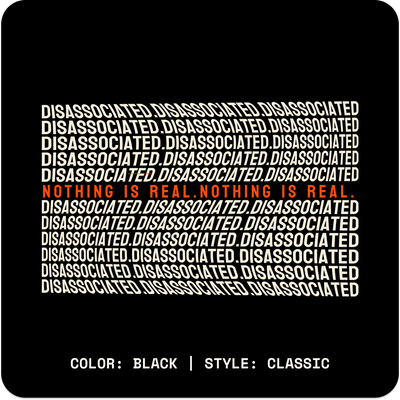
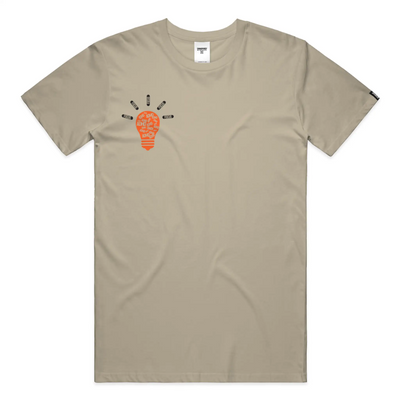
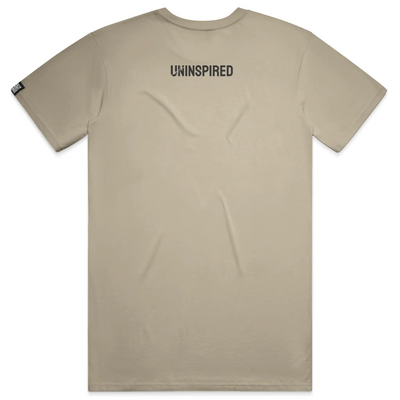
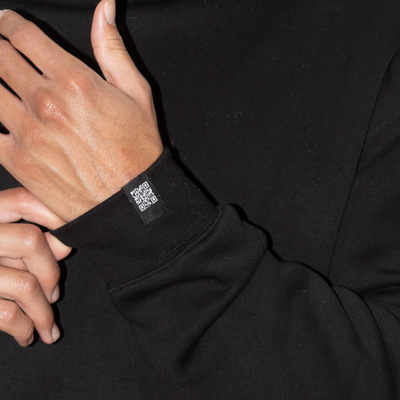
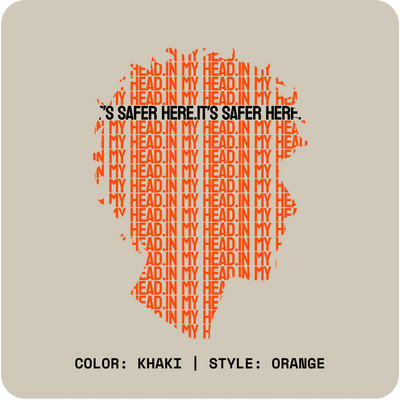
UNINSPIRED makes clothing for the ones who made it against the numbers. The Not a Statistic collection says it without explanation. Scan the sleeve.

What Is Imposter Syndrome? (And Why the Odds Were Wrong About You)

For the ones who got the thing they worked for and immediately waited to be found out.

For the ones who carry their credentials like a question mark, not a period.

For the ones the statistics said wouldn't make it — and made it anyway.

What imposter syndrome actually means

Imposter syndrome is the persistent belief that your success is unearned — that you've fooled everyone, that you don't actually belong where you've arrived, and that it's only a matter of time before someone figures it out.

The term was coined by psychologists Pauline Clance and Suzanne Imes in 1978. They were studying high-achieving women who, despite their accomplishments, couldn't internalize their own competence. They attributed their success to luck, timing, charm, an error in judgment by someone else — anything except their own ability.

The research has expanded significantly since then. Imposter syndrome is not unique to women, not unique to high achievers, and not unique to any one industry or context. But it does hit hardest in specific conditions: when you're the first. When you were told you probably wouldn't. When the environment around you doesn't include many people who look or come from where you come from.

Why it's worst when you've earned it most

This is the central paradox and it's important to name it directly.

Imposter syndrome typically intensifies with success, not success's absence. The more you accomplish, the more opportunity there is to attribute that accomplishment to something other than yourself — because you're still you, and the story you have about what someone like you is capable of hasn't updated at the same pace as your actual life.

That gap is where imposter syndrome lives. Between what you've done and what you've allowed yourself to believe you're capable of doing.

The achievement lands. The internal acknowledgment of it doesn't. So you keep your head down, keep proving yourself, and wait for the floor to give out — even when you're the one who built it.

The specific version that comes from being told you wouldn't

There's a particular texture to imposter syndrome when it's been seasoned by statistics, by being told the numbers weren't in your favor, by growing up in rooms where people like you weren't the ones who usually stayed.

The statistics were descriptive. They were never prescriptive. They described what had happened, not what was possible. But when you've been presented with them as prediction — when "most people like you don't" gets installed as a frame around everything you attempt — they leave a residue.

Even after you've cleared them. Even after the data point has been revised, at least in your specific case, by reality.

The voice that says you don't belong here isn't evidence-based. It's archive-based. It's pulling from old files in an environment that has already changed.

What imposter syndrome looks like in practice

It's over-preparing to the point where the preparation becomes its own source of anxiety — because if you're this prepared and you still fail, what does that say?

It's deflecting compliments so automatically you don't notice you're doing it. It's minimizing your role in things that went well and owning your role in everything that didn't.

It's not applying for things you're qualified for because you don't feel qualified enough — while watching people with less preparation apply anyway, with apparent confidence.

It's sitting in rooms you earned a seat in and spending the meeting calculating whether anyone can tell you don't belong there.

Why "fake it till you make it" doesn't work

The standard advice is to perform confidence until it becomes real. The problem with this is that it treats imposter syndrome as a confidence deficit — when it's actually a narrative problem.

The issue isn't that you don't feel confident enough. It's that the story you have about yourself — about who you are, where you come from, what you're allowed to claim — hasn't caught up to the evidence in front of you.

Performing confidence doesn't update the story. It adds another layer of performance on top of an already exhausting experience. You're not faking it till you make it. You're masking one set of feelings with another set of feelings while the underlying belief stays exactly where it is.

What actually helps

Not mantras. Not confidence hacks.

Accuracy. The practice of reading the actual evidence — not the self-assessed version of the evidence, but the external record. What did you do. What resulted from it. What would someone else, looking at the same data without your internal narrative overlay, conclude.

And, crucially: updating the frame. The statistics were about probability, not about you specifically. The room you're in now is evidence about you specifically. Those two things are allowed to conflict. The statistics can have been right as a general claim and wrong about your case. You are not required to keep applying odds that have already been disproven.

The odds were wrong about you

There is a specific kind of standing that comes from having cleared what the statistics said you probably wouldn't.

Not by being exceptional in some abstract way. By doing the work in the specific circumstances you actually had, with the specific resources that were actually available, in a world that was not particularly arranged in your favor — and arriving somewhere real.

That's not luck. That's not fooling anyone. That's data. And at some point, the data is allowed to revise the story.


UNINSPIRED makes clothing for the ones who made it against the numbers. The Not a Statistic collection says it without explanation. Scan the sleeve.


0 comments

Leave a comment

Please note, comments must be approved before they are published

Favorites

Our most popular looks of the season

Relevant Product