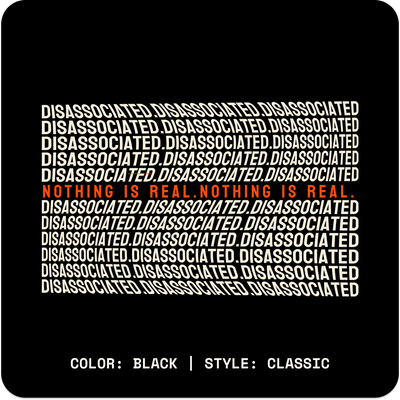
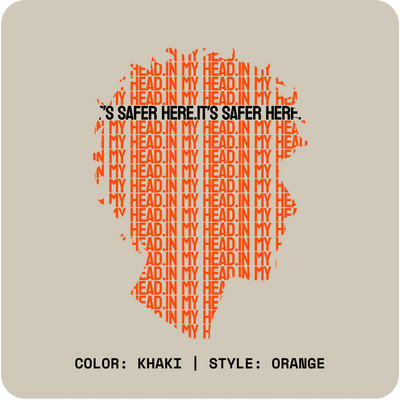
For the ones who didn't look like what they thought depression was supposed to look like.
For the ones who still got up every morning, still showed up, still functioned — and still felt nothing.
For the ones who've been performing okay for so long that nobody around them knows how far away from okay they actually are.
What Depression Is Not
Depression is not sadness. This is the most important thing to say first, because the cultural image of depression — the person who can't get out of bed, who is visibly distressed, who is clearly suffering in a way that's legible from the outside — doesn't match what most people with depression experience.
Depression is not a bad week. Not a response to a hard event. Not a feeling that can be resolved by a change of perspective, a better attitude, a gratitude practice, more exercise, or the passage of time in the absence of other intervention.
It's not weakness. Not a failure of resilience. Not what happens to people who haven't built themselves up adequately.
What Depression Actually Is
Depression is a mood disorder characterized by persistent changes in mood, cognition, physical functioning, and the ability to experience positive emotion — lasting at least two weeks and representing a change from previous functioning.
The clinical presentation requires several of the following: depressed mood most of the day; loss of interest or pleasure in activities that previously generated them; changes in sleep (too much or too little); changes in appetite and weight; fatigue or loss of energy; difficulty concentrating; feelings of worthlessness or inappropriate guilt; in severe cases, thoughts of death or suicide.
Not everyone who has depression has all of these. Not everyone who has all of these looks like the cultural image of depression.
The Version Nobody Talks About
The depression that looks like nothing from the outside.
You get up. You go to work. You respond to messages. You perform approximately normally in most contexts. Nobody looking at you from the outside would know that the internal experience is a persistent flatness, a disconnect from things that should matter, a sense of going through motions in a life that feels like it's happening at a slight remove.
This is sometimes called high-functioning depression, though the clinical term is persistent depressive disorder (dysthymia) for chronic lower-grade presentations, or major depression with good psychosocial functioning for episodic presentations where the person maintains external performance while experiencing significant internal symptoms.
The gap between external presentation and internal experience is what makes it hardest to name and hardest to get help for. You don't look like someone who needs help. The people around you don't see what's happening. You might not believe your own experience warrants concern because it doesn't match the image of what depression is supposed to look like.
What It Actually Feels Like
Not always sadness. Often emptiness. The absence of the feelings that should be there.
Things that used to matter not mattering. Not dramatically — not a sudden withdrawal of caring — but a gradual or sudden reduction in the weight of things that previously had weight. Food tastes like less. Music reaches you differently. The activities that used to generate genuine engagement now generate something more like going through the motions of engagement.
Fatigue that isn't about sleep. You can sleep ten hours and wake up exhausted in a way that isn't about rest. The exhaustion is something different — the effort of maintaining function in the absence of the internal resources that usually make functioning possible.
The loss of the future. Not dramatic catastrophizing — just the sense that the future doesn't quite extend. Plans feel abstract. Things that should generate anticipation don't. The present is all that exists, and the present feels flat.
The Functional Version
There are people with depression who run companies, maintain relationships, exercise regularly, produce work, and look, from the outside, like they're doing very well. This is not evidence that they aren't depressed. It's evidence that the visible performance of functioning and the internal experience of depression can coexist.
The performance often has a cost. The energy that goes into maintaining external function is borrowed from somewhere. The system is running a deficit. At some point, the deficit becomes impossible to maintain, and the functioning collapses — which is often the first moment anyone around the person realizes something was wrong.
What Actually Helps
Evidence-based treatment for depression is real and it works for most people. Therapy — particularly CBT, behavioral activation, and interpersonal therapy — has strong support. Antidepressants (SSRIs, SNRIs, others) are effective for many people, particularly for moderate to severe presentations. The combination of therapy and medication is often more effective than either alone.
Exercise has a robust evidence base as a supplement to treatment. Sleep is not optional — sleep disruption and depression are bidirectional. Social connection matters even when, especially when, depression makes it feel like too much effort.
The most important thing: getting the right diagnosis before assuming what kind of help is needed. Depression with underlying bipolar disorder requires different treatment than unipolar depression. Depression with significant anxiety has different treatment considerations. The map needs to be accurate before the route can be planned.
For the ones who function fine and feel nothing — functioning is not the measure. What's happening inside counts even when nobody can see it. The gap between the outside and the inside is real. It deserves the same attention as the version that's visible.
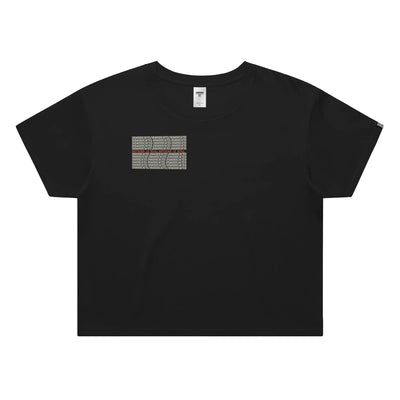
UNINSPIRED makes clothing for the ones who know the gap between looking fine and being fine. The I'm Fine hoodie wears the gap. Scan the sleeve.