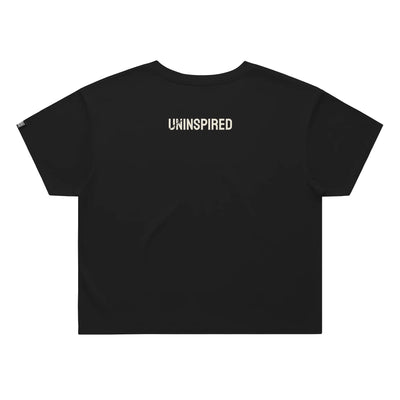
For the ones who say it multiple times a day and mean it approximately zero of them.
For the ones who have said "I'm fine" so many times it stopped feeling like a lie and started feeling like the path of least resistance.
For the ones who answered honestly once and watched the other person's face go awkward and decided never again.
The Most Common Lie Most People Tell
"I'm fine" is one of the most frequently spoken phrases in daily life. It is also, most of the time, not true. What's less examined is why — why this particular deflection, and what it's actually doing when it gets deployed.
What 'I'm Fine' Is Actually Doing
"I'm fine" is a social transaction, not an emotional report. When someone asks "how are you?" in most contexts, they're not requesting an honest status update. They're performing a greeting ritual. The expected response is a reciprocal performance: "fine, thanks, you?" The exchange closes. Everyone moves on.
Most people learn this early. The one time you answered honestly — "actually, not great" — the other person's face did something complicated and the rest of the interaction was awkward. You felt worse than before. So you learned: honest answers are socially costly. "I'm fine" is free.
'I'm Fine' as Protection
Saying you're not fine opens the door to a response you can't control. Someone might minimize it. Someone might offer advice that misses the point. Someone might be overwhelmed and pull away. "I'm fine" forecloses all of those possibilities. It keeps the internal thing internal, where it's at least yours. This isn't dishonesty. It's risk management.
When 'I'm Fine' Becomes the Default
The problem isn't any individual "I'm fine." The problem is when it becomes the only available response — when the habit gets so ingrained you stop knowing how to say anything else, even with people you trust. The gap between your internal state and your external presentation widens. You get good at performing fine. You get worse at knowing what you actually are.
The Difference Between 'Fine' and Actually Fine
Actually fine has a different texture. It's when someone asks and you can give a real answer — not detailed, but honest. "Pretty good, actually." "Tired but okay." Answers that correspond to something real. The point isn't to owe anyone your interior life. It's to know the difference between choosing not to share and not having access to what you'd share if you did.
For the ones who are fine — in the way that means not really — that's a real place to be.
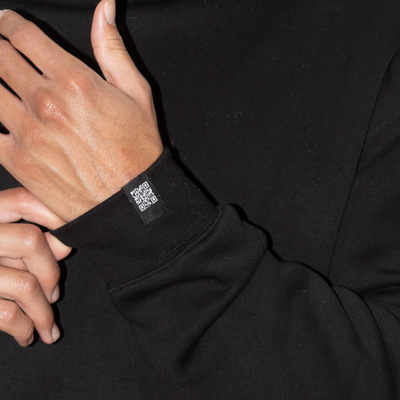
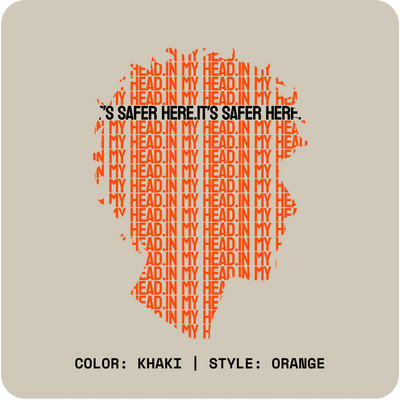
UNINSPIRED makes clothing for the ones tired of performing fine. The I'm Fine hoodie says the quiet part out loud. Scan the sleeve.