What Does Dissociation Actually Feel Like?

For the ones who know they're in the room but can't quite feel it.

For the ones who watched their own life like a movie they didn't order.

For the ones who googled "why do I feel like I'm not real" at 2am and found nothing that actually fit.

What dissociation actually means

Dissociation is a disconnection — from your thoughts, your feelings, your surroundings, your sense of self, or some combination of all of these at once.

The clinical definition sounds clean. The lived experience is stranger than that.

It can feel like watching yourself from above. Like being behind glass — everything visible but nothing quite touching you. Like your hands aren't yours. Like nothing at all, which is its own specific kind of disorienting.

Or it can feel like a very long drive home that you don't remember taking.

The difference between derealization and depersonalization

These two terms live inside the dissociation umbrella and they get collapsed together constantly, but they're pointing at different experiences.

Derealization is when the world feels unreal. The environment looks like a set. Colors are off. Sounds are muffled or too sharp. The world feels like a simulation of itself — technically present, but not landing.

Depersonalization is when you feel unreal. You're the one who doesn't quite exist. Detached from your body, your thoughts, your emotions. Watching yourself from outside. A stranger to your own experience.

Both can happen together. Both can happen independently. Both are medically recognized — not metaphors, not dramatics, not something you invented.

What dissociation feels like day to day

Not a dramatic break from reality. That's the version that gets screentime. The everyday version is quieter and much stranger.

It's getting to the end of a conversation and not being sure if you were present for it. Reading the same sentence eight times and processing nothing. Being with people you love and feeling like you're watching them through a window — you can see them, but the signal isn't reaching you.

It's emotional numbness that reads as calm. Getting credit for being "so put together" — while inside there's just absence. Not peace. Absence.

It's looking in the mirror and recognizing the face but feeling like it belongs to someone else. Knowing intellectually that your life is happening, but experiencing it at one remove — like you're the audience, not the person in it.

Why it happens: the nervous system explanation

Dissociation is a protective mechanism. That's not poetic — it's physiological.

When the nervous system determines that full contact with an experience is too much, it disconnects. This was useful when the threat was real and overwhelming. The problem is that the nervous system doesn't distinguish well between past and present — it learns a pattern and repeats it, long after the original reason is gone.

Chronic stress, trauma, anxiety, ADHD, sleep deprivation, burnout — any of these can push the system toward dissociation as a default mode rather than an emergency response.

Your brain learned something. It's using a tool that worked once. It just doesn't know the situation changed.

Emotional numbness is not the same as being fine

This is the part that's hardest to explain to people who haven't experienced it.

Emotional numbness and "being fine" look identical from the outside. They can feel similar from the inside — until you notice that fine usually involves actually feeling something, even if it's low-key or neutral.

Emotional blunting is different. It's not calm. It's not okay. It's the absence of signal. Nothing registers as particularly good or particularly bad. The things that used to matter don't reach you the same way. Food tastes different. Music doesn't hit. You laugh at the right moments but you're not sure you mean it.

That's dissociation doing what it does — buffering you from full input. Including the parts worth keeping.

Dissociation and ADHD: the overlap nobody mentions

There's a significant overlap between ADHD and dissociative experiences that doesn't get enough airtime.

ADHD brains have a different relationship with attention regulation — and part of that can present as zoning out so completely it functionally becomes dissociation. Mid-conversation check-ins where you haven't absorbed anything for several minutes. Time blindness that leaves you unmoored from the present. Task-switching failures that feel less like distraction and more like disappearing.

Layer on the chronic low-level stress of trying to function in systems that weren't built for your brain — and the nervous system starts to use disconnection as relief. Not by choice. By habit.

What dissociation is not

It's not psychosis. It's not schizophrenia. It's not something you invented or exaggerated.

Dissociation exists on a spectrum. The mild end — daydreaming, highway hypnosis, getting absorbed in flow state — is entirely normal. The more persistent end, where it becomes a regular interruption of daily functioning, is worth taking seriously.

The clinical name for persistent, distressing dissociation is Depersonalization-Derealization Disorder. It affects more people than the name suggests. It has a definition, a literature, a community — and it's real.

The specific relief of having the word

There's something that shifts when you find the right language.

Not because naming it fixes anything. Because when you have the word, you know you're not the only person who's experienced this — even if you're still alone with the feeling right now. Other people have described this exact phenomenon in enough detail that someone thought it worth naming.

You weren't imagining it. You weren't being dramatic. You were dissociating. And there's a word for that.


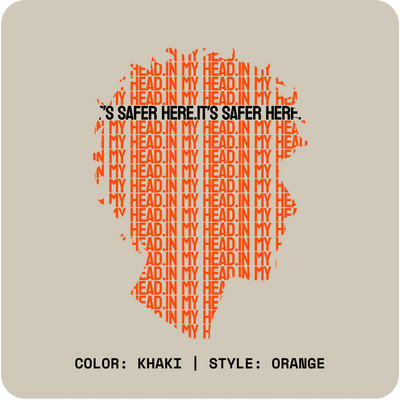
UNINSPIRED makes clothing for the ones who feel it when the words don't reach. The Disassociated collection names the thing you've been trying to explain for years. Scan the sleeve.

What Does Dissociation Actually Feel Like?

For the ones who know they're in the room but can't quite feel it.

For the ones who watched their own life like a movie they didn't order.

For the ones who googled "why do I feel like I'm not real" at 2am and found nothing that actually fit.

What dissociation actually means

Dissociation is a disconnection — from your thoughts, your feelings, your surroundings, your sense of self, or some combination of all of these at once.

The clinical definition sounds clean. The lived experience is stranger than that.

It can feel like watching yourself from above. Like being behind glass — everything visible but nothing quite touching you. Like your hands aren't yours. Like nothing at all, which is its own specific kind of disorienting.

Or it can feel like a very long drive home that you don't remember taking.

The difference between derealization and depersonalization

These two terms live inside the dissociation umbrella and they get collapsed together constantly, but they're pointing at different experiences.

Derealization is when the world feels unreal. The environment looks like a set. Colors are off. Sounds are muffled or too sharp. The world feels like a simulation of itself — technically present, but not landing.

Depersonalization is when you feel unreal. You're the one who doesn't quite exist. Detached from your body, your thoughts, your emotions. Watching yourself from outside. A stranger to your own experience.

Both can happen together. Both can happen independently. Both are medically recognized — not metaphors, not dramatics, not something you invented.

What dissociation feels like day to day

Not a dramatic break from reality. That's the version that gets screentime. The everyday version is quieter and much stranger.

It's getting to the end of a conversation and not being sure if you were present for it. Reading the same sentence eight times and processing nothing. Being with people you love and feeling like you're watching them through a window — you can see them, but the signal isn't reaching you.

It's emotional numbness that reads as calm. Getting credit for being "so put together" — while inside there's just absence. Not peace. Absence.

It's looking in the mirror and recognizing the face but feeling like it belongs to someone else. Knowing intellectually that your life is happening, but experiencing it at one remove — like you're the audience, not the person in it.

Why it happens: the nervous system explanation

Dissociation is a protective mechanism. That's not poetic — it's physiological.

When the nervous system determines that full contact with an experience is too much, it disconnects. This was useful when the threat was real and overwhelming. The problem is that the nervous system doesn't distinguish well between past and present — it learns a pattern and repeats it, long after the original reason is gone.

Chronic stress, trauma, anxiety, ADHD, sleep deprivation, burnout — any of these can push the system toward dissociation as a default mode rather than an emergency response.

Your brain learned something. It's using a tool that worked once. It just doesn't know the situation changed.

Emotional numbness is not the same as being fine

This is the part that's hardest to explain to people who haven't experienced it.

Emotional numbness and "being fine" look identical from the outside. They can feel similar from the inside — until you notice that fine usually involves actually feeling something, even if it's low-key or neutral.

Emotional blunting is different. It's not calm. It's not okay. It's the absence of signal. Nothing registers as particularly good or particularly bad. The things that used to matter don't reach you the same way. Food tastes different. Music doesn't hit. You laugh at the right moments but you're not sure you mean it.

That's dissociation doing what it does — buffering you from full input. Including the parts worth keeping.

Dissociation and ADHD: the overlap nobody mentions

There's a significant overlap between ADHD and dissociative experiences that doesn't get enough airtime.

ADHD brains have a different relationship with attention regulation — and part of that can present as zoning out so completely it functionally becomes dissociation. Mid-conversation check-ins where you haven't absorbed anything for several minutes. Time blindness that leaves you unmoored from the present. Task-switching failures that feel less like distraction and more like disappearing.

Layer on the chronic low-level stress of trying to function in systems that weren't built for your brain — and the nervous system starts to use disconnection as relief. Not by choice. By habit.

What dissociation is not

It's not psychosis. It's not schizophrenia. It's not something you invented or exaggerated.

Dissociation exists on a spectrum. The mild end — daydreaming, highway hypnosis, getting absorbed in flow state — is entirely normal. The more persistent end, where it becomes a regular interruption of daily functioning, is worth taking seriously.

The clinical name for persistent, distressing dissociation is Depersonalization-Derealization Disorder. It affects more people than the name suggests. It has a definition, a literature, a community — and it's real.

The specific relief of having the word

There's something that shifts when you find the right language.

Not because naming it fixes anything. Because when you have the word, you know you're not the only person who's experienced this — even if you're still alone with the feeling right now. Other people have described this exact phenomenon in enough detail that someone thought it worth naming.

You weren't imagining it. You weren't being dramatic. You were dissociating. And there's a word for that.


UNINSPIRED makes clothing for the ones who feel it when the words don't reach. The Disassociated collection names the thing you've been trying to explain for years. Scan the sleeve.


0 comments

Leave a comment

Please note, comments must be approved before they are published

Favorites

Our most popular looks of the season

Relevant Product