What Anti-Toxic Positivity Actually Means (And Why It Matters)

For the ones who've been told to look on the bright side so many times the phrase has lost all meaning.

For the ones who've sat through someone else's relentless optimism and felt more alone coming out than going in.

For the ones who'd like a word for why that happens.


What Anti-Toxic Positivity Is

Anti-toxic positivity is not pessimism. It's not the belief that things can't get better, or that hope is useless, or that you should wallow. It's not a rejection of good things happening or a refusal to acknowledge them.

It's the refusal to use positivity as a tool to override reality.

The distinction matters. Genuine positive emotion — the kind that arrives because something is actually good — is real and worth having. Performed positivity — the kind that's imposed over the top of what's actually happening — isn't positive at all. It's erasure wearing a smile.

Anti-toxic positivity is what happens when you stop accepting the erasure.


What Toxic Positivity Is Actually Doing

Toxic positivity operates on the premise that negative feelings are a problem to be solved. That if you say the right things, frame it correctly, look for the lesson, focus on the good — the hard thing will become manageable, or at least quiet.

The problem is that negative feelings aren't a malfunction. They're information. Grief is the accurate response to loss. Anger is the accurate response to injustice. Anxiety is the accurate response to genuine threat. Suppressing the response doesn't resolve the underlying situation. It just removes the signal.

When someone is struggling and the people around them reach for positivity — "stay positive," "at least," "everything happens for a reason" — they're not helping the person feel better. They're communicating that the person's actual feelings are unwelcome. That reality should be adjusted to fit the preferred emotional register of the conversation.

The person struggling learns: don't say what's real. Say what's acceptable.


What It's Not

Anti-toxic positivity isn't anti-hope. Hope is not the same as toxic positivity. Hope is about the future being open — about things being able to change, about possibility being real. That's different from being required to perform a positive present while the actual present is hard.

It isn't anti-gratitude. Real gratitude — the kind that shows up because you've noticed something genuinely good — is useful. Forced gratitude — deployed as a counter to something painful — isn't gratitude. It's deflection wearing gratitude's name.

And it isn't a license to stay stuck. Acknowledging that something is hard doesn't mean deciding it can never get better. It means starting from where you actually are instead of where you're supposed to be.


What Anti-Toxic Positivity Actually Looks Like

It looks like sitting with what's real. Not rushing to reframe. Not reaching for the silver lining before the person has finished telling you what happened.

It looks like saying "that's genuinely hard" instead of "but think of it this way."

It looks like letting difficult emotions exist without treating them as a crisis to be resolved. Like trusting that someone can feel something hard without that feeling consuming them — if they're actually allowed to feel it rather than being managed out of it.

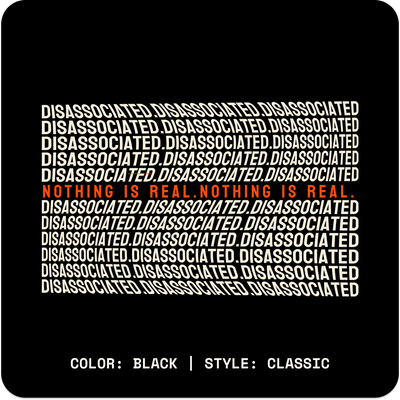
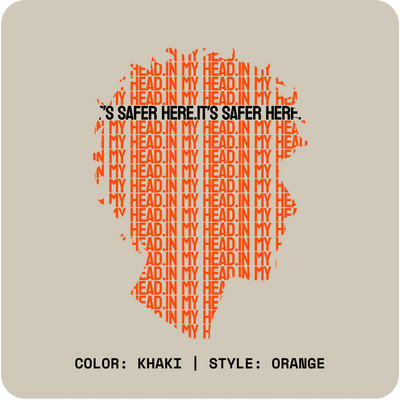
And it looks like clothes that say the thing out loud instead of papering over it. Like a brand that doesn't require you to perform fine in order to participate. Like the understanding that seeing the reality of something — the full reality, including the hard parts — is more useful than a curated version of it.


For the ones who are tired of being cheerfully redirected away from what's actually happening — the thing that's happening is real. You're allowed to say so.


UNINSPIRED was built on the premise that what you actually feel is more useful than what you're supposed to feel. The Annoying Pleasantries collection wears the phrases we're done with. Scan the sleeve.

What Anti-Toxic Positivity Actually Means (And Why It Matters)

For the ones who've been told to look on the bright side so many times the phrase has lost all meaning.

For the ones who've sat through someone else's relentless optimism and felt more alone coming out than going in.

For the ones who'd like a word for why that happens.


What Anti-Toxic Positivity Is

Anti-toxic positivity is not pessimism. It's not the belief that things can't get better, or that hope is useless, or that you should wallow. It's not a rejection of good things happening or a refusal to acknowledge them.

It's the refusal to use positivity as a tool to override reality.

The distinction matters. Genuine positive emotion — the kind that arrives because something is actually good — is real and worth having. Performed positivity — the kind that's imposed over the top of what's actually happening — isn't positive at all. It's erasure wearing a smile.

Anti-toxic positivity is what happens when you stop accepting the erasure.


What Toxic Positivity Is Actually Doing

Toxic positivity operates on the premise that negative feelings are a problem to be solved. That if you say the right things, frame it correctly, look for the lesson, focus on the good — the hard thing will become manageable, or at least quiet.

The problem is that negative feelings aren't a malfunction. They're information. Grief is the accurate response to loss. Anger is the accurate response to injustice. Anxiety is the accurate response to genuine threat. Suppressing the response doesn't resolve the underlying situation. It just removes the signal.

When someone is struggling and the people around them reach for positivity — "stay positive," "at least," "everything happens for a reason" — they're not helping the person feel better. They're communicating that the person's actual feelings are unwelcome. That reality should be adjusted to fit the preferred emotional register of the conversation.

The person struggling learns: don't say what's real. Say what's acceptable.


What It's Not

Anti-toxic positivity isn't anti-hope. Hope is not the same as toxic positivity. Hope is about the future being open — about things being able to change, about possibility being real. That's different from being required to perform a positive present while the actual present is hard.

It isn't anti-gratitude. Real gratitude — the kind that shows up because you've noticed something genuinely good — is useful. Forced gratitude — deployed as a counter to something painful — isn't gratitude. It's deflection wearing gratitude's name.

And it isn't a license to stay stuck. Acknowledging that something is hard doesn't mean deciding it can never get better. It means starting from where you actually are instead of where you're supposed to be.


What Anti-Toxic Positivity Actually Looks Like

It looks like sitting with what's real. Not rushing to reframe. Not reaching for the silver lining before the person has finished telling you what happened.

It looks like saying "that's genuinely hard" instead of "but think of it this way."

It looks like letting difficult emotions exist without treating them as a crisis to be resolved. Like trusting that someone can feel something hard without that feeling consuming them — if they're actually allowed to feel it rather than being managed out of it.

And it looks like clothes that say the thing out loud instead of papering over it. Like a brand that doesn't require you to perform fine in order to participate. Like the understanding that seeing the reality of something — the full reality, including the hard parts — is more useful than a curated version of it.


For the ones who are tired of being cheerfully redirected away from what's actually happening — the thing that's happening is real. You're allowed to say so.


UNINSPIRED was built on the premise that what you actually feel is more useful than what you're supposed to feel. The Annoying Pleasantries collection wears the phrases we're done with. Scan the sleeve.


0 comments

Leave a comment

Please note, comments must be approved before they are published

Favorites

Our most popular looks of the season

Relevant Product