For the ones who did everything they were supposed to and still ended up here.
For the ones who are tired in a way that a vacation wouldn't fix.
For the ones who stopped pretending it was just a bad week a while ago.
What burnout actually is
Burnout is a state of chronic exhaustion — physical, emotional, and cognitive — produced by sustained exposure to stress that exceeds available resources. The World Health Organization added it to its International Classification of Diseases in 2019, specifically in the context of occupational chronic stress.
Three things characterize it: exhaustion that doesn't respond to rest, increased mental distance or cynicism about things that used to matter, and a reduced sense of efficacy — the feeling that effort doesn't produce results the way it used to.
What it is not: laziness, weakness, or a failure to manage stress correctly. Burnout is what happens when the demands consistently and chronically outstrip the resources available to meet them — and that's a structural problem, not a personal one.
Why Gen Z is burning out differently
Burnout has been documented across generations. Gen Z's version has specific features that distinguish it from the burnout frameworks that were built primarily around older workers.
Gen Z entered the workforce during or immediately after a global pandemic — with student debt that dwarfs previous generations, a housing market that has effectively closed, climate anxiety as a baseline condition, and the constant, unrelenting information load of being always-online from adolescence onward. The traditional milestones — the job, the apartment, the stability — have moved further away as the effort required to reach them has increased.
And then the standard advice: just work harder. Just stay positive. Just be grateful you have a job.
The burnout isn't from not trying. It's from trying inside a system that isn't returning what it promised.
The always-online layer
Gen Z is the first generation to have grown up with social media as a continuous presence — not something you logged into, but something that was always already there, in the pocket, on the screen, tracking, comparing, performing.
The cognitive load of that is real and largely unmeasured. The constant availability of other people's curated presentations of their lives. The persistent low-level awareness of global crises, local crises, and the performance of response to those crises. The expectation of being reachable, responsive, on — not as occasional demand but as default state.
The nervous system was not designed for this input level. It adapted as best it could. Adaptation has costs.
What Gen Z burnout looks like
Not always dramatic. Often very quiet.
It's the flatness — the inability to feel particularly good about things you know should feel good. It's doing the job, doing it competently, and feeling nothing about it. It's making the plans and going through with them and returning home and feeling exactly the same as before you left.
It's the cynicism that arrived before you expected it — the quiet suspicion that hustle culture is a con, that the system isn't going to reward effort the way it claimed, that the exhaustion of performing optimism about a future that isn't materializing is more than the actual situation merits.
It's stopping. Not loudly. Just — not doing the things that used to be automatic. Not because you decided not to, but because the system ran out of what was powering it.
"Quiet quitting" was just burnout with better branding
The cultural conversation about Gen Z and quiet quitting — the idea that workers were "only doing the bare minimum" — missed the point almost entirely.
What was being called quiet quitting was mostly just people stopping at the boundary of what they were compensated for, after years of being implicitly asked to exceed it as proof of commitment. It wasn't a new phenomenon. It was burnout becoming visible — the withdrawal of discretionary effort that arrives when the investment stops feeling reciprocal.
The framing placed the problem with the worker. The actual location of the problem was structural: the expectation that emotional labor, availability, and above-and-beyond effort were included in the job without being acknowledged or compensated as part of it.
Why "just take a break" doesn't fix it
Rest addresses fatigue. It doesn't address burnout.
Burnout is produced by a chronic mismatch between demands and resources — and it's maintained by the conditions that created it, not by insufficient rest. A week off returns you to the same conditions. The same demands. The same gap between what the system asks and what it provides.
What actually addresses burnout is changing the conditions: reducing chronic overload, restoring a sense of agency, finding meaning that isn't contingent on productivity, and — most fundamentally — no longer performing okay when you're not.
The specific weight of having to pretend otherwise
One of the most exhausting components of burnout is the performance that surrounds it — the ongoing requirement to appear functional, engaged, and optimistic while running on empty.
Describing how you actually feel gets met with advice. Disengaging visibly gets pathologized. The honest version of the situation — that you are running a deficit that effort alone isn't going to close — isn't the version that gets a sympathetic hearing in most professional and social contexts.
So you perform. Which costs exactly the energy you don't have. Which deepens the burnout. Which requires more performance.
That cycle has a name. And it's not a character flaw.
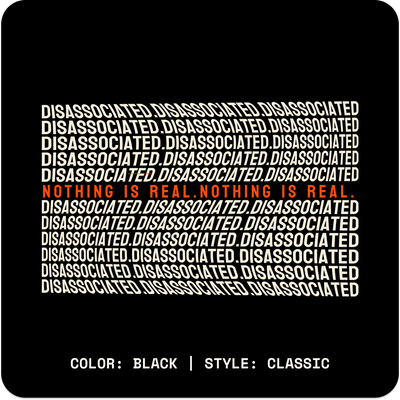
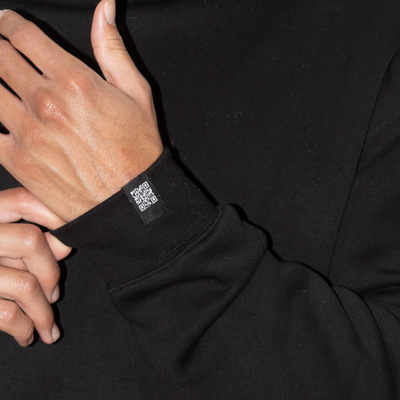
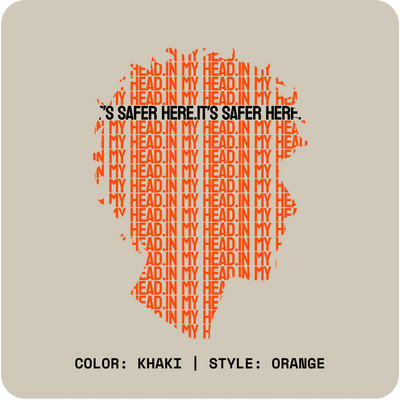
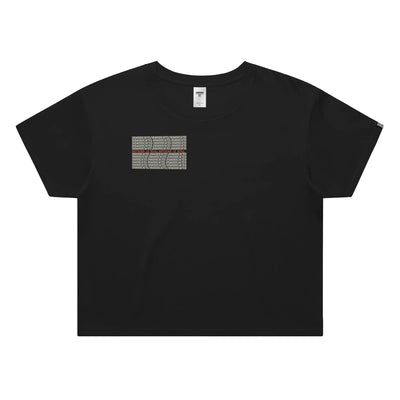
UNINSPIRED makes clothing for the ones who stopped pretending. The I'm Fine collection says what exhaustion actually looks like. Scan the sleeve.