The Gen Z Burnout: Why an Entire Generation Is Done Pretending

For the ones who are exhausted in a way that sleep doesn't fix.

For the ones who've been told they're too young to be this tired.

For the ones who are done performing okay for a world that made okay very hard to be.


What Burnout Actually Is

Burnout is not tiredness. It's not needing a vacation. It's not what happens after a hard week that a weekend resolves.

Burnout is chronic exhaustion — physical, emotional, and cognitive — produced by sustained exposure to demands that exceed available resources, without adequate recovery. It's a system that has been running at over-capacity for long enough that it's stopped being able to function at previous levels.

The World Health Organization classifies it as an occupational phenomenon. The lived experience of it is wider than that. It shows up in caregiving, in academic environments, in the daily work of managing mental health without support, in the labor of performing fine when fine isn't available.


Why Gen Z Has It Specifically

Every generation has faced things that were hard. The argument here isn't that Gen Z has it uniquely worse in every dimension. It's that the specific combination of pressures this generation has inherited is producing burnout at a scale and intensity that's hard to dismiss.

A global pandemic during the years when social development happens. An economic landscape where the traditional markers of stability — home ownership, job security, retirement savings — are structurally inaccessible for most. Climate anxiety that's rational, not catastrophizing. Mental health awareness high enough to understand what's happening and mental health access low enough that understanding doesn't translate into help. A constant digital environment that makes rest genuinely difficult to achieve.

And over all of it: the cultural requirement to perform okay. To be optimistic. To hustle. To be grateful. To manifest. To show up with the right attitude. To not be too much.

Burnout in that context isn't a personal failure. It's the accurate response to unreasonable load.


What Gen Z Burnout Looks Like

Not always dramatic. Often quiet.

The inability to feel motivated by things that used to generate motivation. Not laziness — the desire to do the thing, without the capacity. The gap between intention and action that used to be manageable becoming increasingly uncrossable.

Emotional flatness. Things that should land not landing. Good news arriving at the same register as neutral news. The emotional range narrowing until the main available state is a sort of tired neutrality.

Cynicism that arrived late. Not a worldview, but a protective layer — the decision, made by a nervous system that has run out of other options, that caring less is safer than continuing to care at the current volume.

Difficulty recovering. Used to take a weekend. Now takes a week and it's still not enough. The deficit keeps compounding faster than the recovery can match it.


What Makes It Different From Depression

Burnout and depression share significant overlap, and can coexist. The clinical distinction matters for treatment; the experiential distinction matters for understanding what you're dealing with.

Burnout is typically context-specific in origin: it starts with a sustained external demand. Depression has more diffuse origins and doesn't necessarily resolve when the external demand is removed. Burnout's primary features are exhaustion and cynicism; depression's primary features are persistent low mood and anhedonia across contexts.

In practice, chronic burnout that goes unaddressed frequently develops into depression. The systems are connected. Which is one reason early naming matters — not to diagnose, but to stop expecting a depleted system to keep running as if it isn't depleted.


What 'Done Pretending' Actually Means

The Gen Z cultural shift toward honesty about mental health — the willingness to say "I'm not okay," to name burnout as burnout, to refuse the performance of fine — isn't fragility. It's information literacy.

A generation that grew up with access to the vocabulary for what's happening to them is more likely to name it accurately and less likely to accept the frame that the problem is their attitude rather than their circumstances.

Done pretending doesn't mean done trying. It means done spending energy on the performance of okay at the cost of actually getting there.


For the ones who are bone-tired in a way nobody wants to talk about — the tiredness is real. The system has been running on too little for too long. That's not a character issue. That's arithmetic.


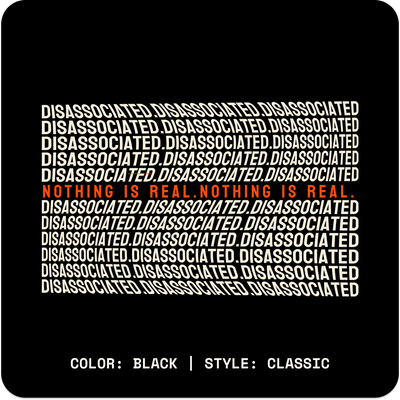
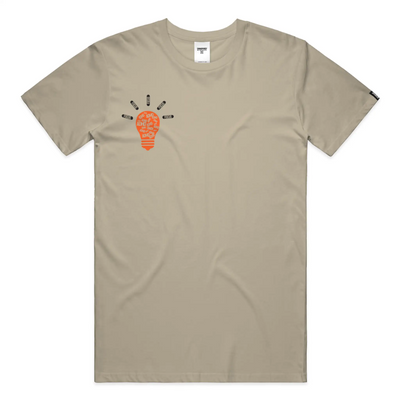
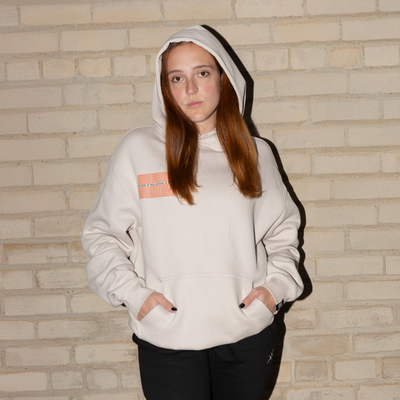
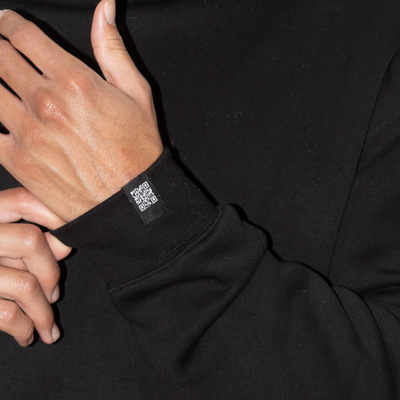
UNINSPIRED makes clothing for the ones who are done performing fine. Shop the UNSPOKEN collection. Scan the sleeve.

The Gen Z Burnout: Why an Entire Generation Is Done Pretending

For the ones who are exhausted in a way that sleep doesn't fix.

For the ones who've been told they're too young to be this tired.

For the ones who are done performing okay for a world that made okay very hard to be.


What Burnout Actually Is

Burnout is not tiredness. It's not needing a vacation. It's not what happens after a hard week that a weekend resolves.

Burnout is chronic exhaustion — physical, emotional, and cognitive — produced by sustained exposure to demands that exceed available resources, without adequate recovery. It's a system that has been running at over-capacity for long enough that it's stopped being able to function at previous levels.

The World Health Organization classifies it as an occupational phenomenon. The lived experience of it is wider than that. It shows up in caregiving, in academic environments, in the daily work of managing mental health without support, in the labor of performing fine when fine isn't available.


Why Gen Z Has It Specifically

Every generation has faced things that were hard. The argument here isn't that Gen Z has it uniquely worse in every dimension. It's that the specific combination of pressures this generation has inherited is producing burnout at a scale and intensity that's hard to dismiss.

A global pandemic during the years when social development happens. An economic landscape where the traditional markers of stability — home ownership, job security, retirement savings — are structurally inaccessible for most. Climate anxiety that's rational, not catastrophizing. Mental health awareness high enough to understand what's happening and mental health access low enough that understanding doesn't translate into help. A constant digital environment that makes rest genuinely difficult to achieve.

And over all of it: the cultural requirement to perform okay. To be optimistic. To hustle. To be grateful. To manifest. To show up with the right attitude. To not be too much.

Burnout in that context isn't a personal failure. It's the accurate response to unreasonable load.


What Gen Z Burnout Looks Like

Not always dramatic. Often quiet.

The inability to feel motivated by things that used to generate motivation. Not laziness — the desire to do the thing, without the capacity. The gap between intention and action that used to be manageable becoming increasingly uncrossable.

Emotional flatness. Things that should land not landing. Good news arriving at the same register as neutral news. The emotional range narrowing until the main available state is a sort of tired neutrality.

Cynicism that arrived late. Not a worldview, but a protective layer — the decision, made by a nervous system that has run out of other options, that caring less is safer than continuing to care at the current volume.

Difficulty recovering. Used to take a weekend. Now takes a week and it's still not enough. The deficit keeps compounding faster than the recovery can match it.


What Makes It Different From Depression

Burnout and depression share significant overlap, and can coexist. The clinical distinction matters for treatment; the experiential distinction matters for understanding what you're dealing with.

Burnout is typically context-specific in origin: it starts with a sustained external demand. Depression has more diffuse origins and doesn't necessarily resolve when the external demand is removed. Burnout's primary features are exhaustion and cynicism; depression's primary features are persistent low mood and anhedonia across contexts.

In practice, chronic burnout that goes unaddressed frequently develops into depression. The systems are connected. Which is one reason early naming matters — not to diagnose, but to stop expecting a depleted system to keep running as if it isn't depleted.


What 'Done Pretending' Actually Means

The Gen Z cultural shift toward honesty about mental health — the willingness to say "I'm not okay," to name burnout as burnout, to refuse the performance of fine — isn't fragility. It's information literacy.

A generation that grew up with access to the vocabulary for what's happening to them is more likely to name it accurately and less likely to accept the frame that the problem is their attitude rather than their circumstances.

Done pretending doesn't mean done trying. It means done spending energy on the performance of okay at the cost of actually getting there.


For the ones who are bone-tired in a way nobody wants to talk about — the tiredness is real. The system has been running on too little for too long. That's not a character issue. That's arithmetic.


UNINSPIRED makes clothing for the ones who are done performing fine. Shop the UNSPOKEN collection. Scan the sleeve.


0 comments

Leave a comment

Please note, comments must be approved before they are published

Favorites

Our most popular looks of the season

Relevant Product