The Freeze Response: Why Your Body Goes Offline When You Need It Most

For the ones who froze when they were supposed to act — and spent years calling it weakness.

For the ones who couldn't speak when they needed to. Couldn't move. Couldn't respond.

For the ones who've been asked, "why didn't you just..." and never had a good answer.

What the Freeze Response Is

The freeze response is a survival mechanism — one of the primary ways the nervous system responds to threat. Alongside fight and flight, freeze is what happens when the system assesses that neither fighting nor fleeing is viable. The body stops. Goes still. Sometimes goes completely offline.

It's not a choice. That's the essential point. The freeze response is automatic — it happens below the level of conscious decision-making, at the speed of threat detection. The nervous system evaluates the situation and deploys freeze before the thinking brain has had a chance to weigh in. Which is why the experience often feels disorienting: you couldn't move, you couldn't speak, you couldn't do the thing you desperately wanted to do. Not because you chose not to. Because your nervous system chose for you.

Understanding this doesn't require forgiving every frozen moment or using it as a universal explanation for inaction. It requires a more accurate account of what actually happened — because the one most people carry (I was weak, I was a coward, I should have done something) is wrong.

The Biology of Freeze

The autonomic nervous system operates in two primary modes: sympathetic (activated, mobilized, ready to respond) and parasympathetic (calmed, regulated, at rest). Fight and flight are sympathetic responses — they involve flooding the body with adrenaline, increasing heart rate, mobilizing energy for action.

Freeze is different. In the polyvagal framework developed by Dr. Stephen Porges, freeze involves a more ancient, dorsal vagal response — a shutdown of the system that goes deeper than simple stillness. Heart rate drops. The body goes immobile. In extreme cases: dissociation, emotional numbing, loss of sensation, the sense of watching yourself from outside. The system isn't failing. It's running a very old program — one that predates conscious thought — that treats immobility as the best available survival option.

In nature, this makes immediate sense. Many predators respond to movement. Freeze reduces detection. It also reduces pain perception — which matters if attack is imminent. The body is optimizing for survival, not for what you would have chosen to do if given the chance to think about it.

When Freeze Happens in Human Experiences

The freeze response doesn't only appear in life-threatening situations. The nervous system applies the same threat-assessment logic to emotional and social threats — especially when the threat involves someone in a position of power, someone whose approval or disapproval holds significant weight, or a situation where previous experience has established a pattern of danger.

The person who goes blank during a confrontation. Who can't find words when they need them most. Who sits in a conversation and feels present but cannot respond — watching themselves from a slight remove, aware that they should be doing something but unable to engage the mechanism. The frozen person in the difficult meeting, the frozen person in the relationship argument, the frozen person facing the person who hurt them.

This is also why freeze is so commonly reported by people who've experienced trauma, particularly interpersonal trauma. When the threat came from a person, and particularly from someone in close proximity or with power over you, the nervous system learned that neither fight nor flight was safe or viable. Freeze was the option that remained.

Why People Blame Themselves

Because the cultural narrative around threat response almost exclusively centers fight and flight. Fight is courage. Flight is self-preservation. Both involve action. Freeze is often read as failure — as the absence of a response rather than a specific, purposeful one.

And because the freeze response, by design, produces a state of dissociation and cognitive shutdown — you weren't fully present for what was happening. Memory can be fragmented. Emotional registration can be delayed. Which makes it harder to understand and explain, even to yourself, in the aftermath.

The shame that attaches to freeze is significant and common. And often sustained for years, in the form of replaying a moment and imagining what you should have done differently. What you should have said. How you should have acted. The problem with that replay: it imagines the thinking brain in full operation at a moment when the thinking brain was not running things.

The Fawn Add-On

Related and worth naming: the fawn response. Where freeze is immobility, fawn is appeasing — the survival strategy that involves becoming agreeable, making the threat comfortable, removing any reason for escalation. Both operate below conscious choice. Both are the nervous system solving for safety with the tools available. Both get labeled as weakness in a culture that only respects fight or flight.

What Changes When You Understand It

The story changes. The one you've been telling yourself about that moment — the one that ends with "I should have." The freeze wasn't evidence of what you are. It was evidence of what your nervous system did, automatically, under conditions it assessed as threat. You can work with that. You can understand the pattern. You can build resources that give the system more options in the future.

You can also stop rehearsing a different ending to something that happened at a speed that didn't include a choice. The moment already happened. The nervous system responded. The story about what that means about you — that part is still being written.

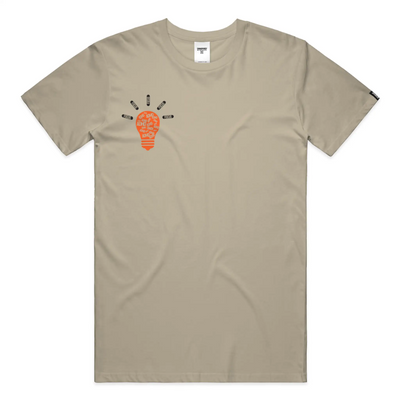
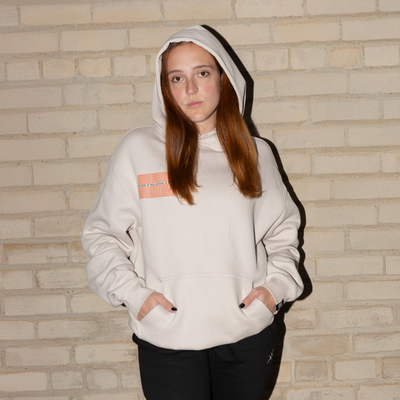
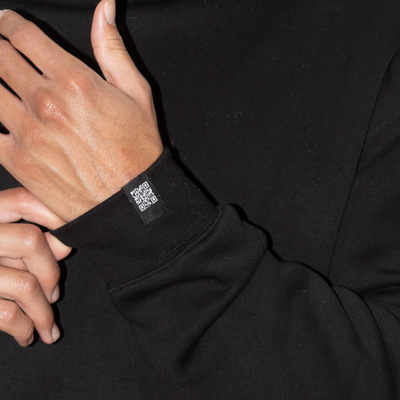
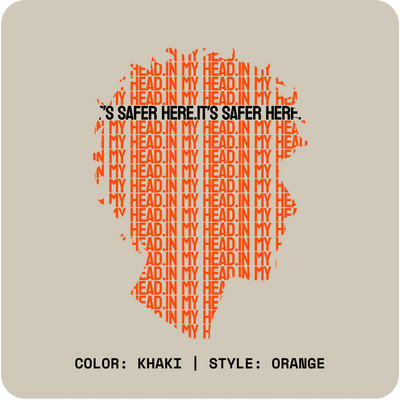
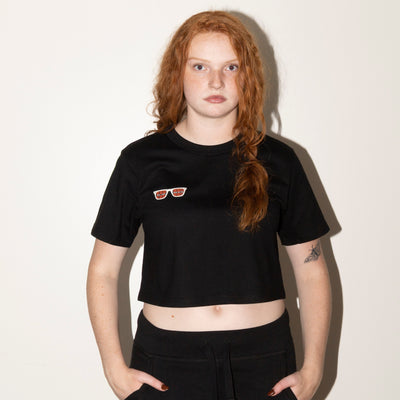
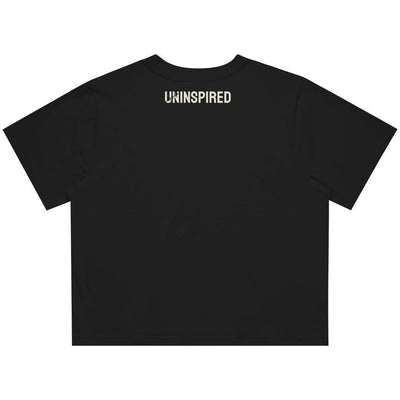
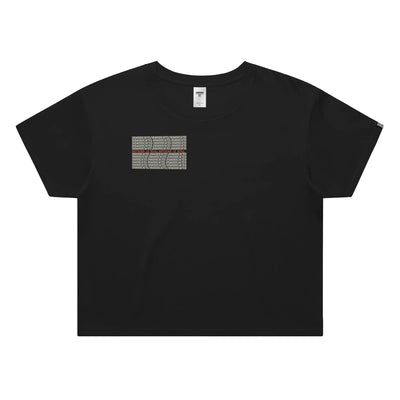
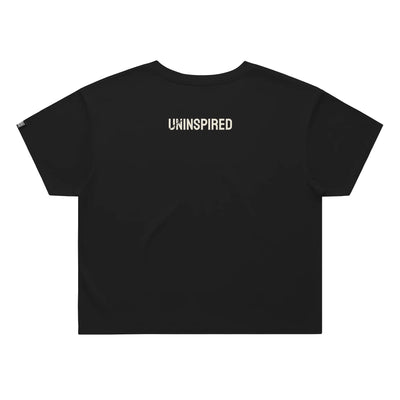
UNINSPIRED makes clothing for the ones whose nervous system learned to survive before it learned to trust. The Am I Okay collection is for the ones still figuring out the answer. Scan the sleeve.

The Freeze Response: Why Your Body Goes Offline When You Need It Most

For the ones who froze when they were supposed to act — and spent years calling it weakness.

For the ones who couldn't speak when they needed to. Couldn't move. Couldn't respond.

For the ones who've been asked, "why didn't you just..." and never had a good answer.

What the Freeze Response Is

The freeze response is a survival mechanism — one of the primary ways the nervous system responds to threat. Alongside fight and flight, freeze is what happens when the system assesses that neither fighting nor fleeing is viable. The body stops. Goes still. Sometimes goes completely offline.

It's not a choice. That's the essential point. The freeze response is automatic — it happens below the level of conscious decision-making, at the speed of threat detection. The nervous system evaluates the situation and deploys freeze before the thinking brain has had a chance to weigh in. Which is why the experience often feels disorienting: you couldn't move, you couldn't speak, you couldn't do the thing you desperately wanted to do. Not because you chose not to. Because your nervous system chose for you.

Understanding this doesn't require forgiving every frozen moment or using it as a universal explanation for inaction. It requires a more accurate account of what actually happened — because the one most people carry (I was weak, I was a coward, I should have done something) is wrong.

The Biology of Freeze

The autonomic nervous system operates in two primary modes: sympathetic (activated, mobilized, ready to respond) and parasympathetic (calmed, regulated, at rest). Fight and flight are sympathetic responses — they involve flooding the body with adrenaline, increasing heart rate, mobilizing energy for action.

Freeze is different. In the polyvagal framework developed by Dr. Stephen Porges, freeze involves a more ancient, dorsal vagal response — a shutdown of the system that goes deeper than simple stillness. Heart rate drops. The body goes immobile. In extreme cases: dissociation, emotional numbing, loss of sensation, the sense of watching yourself from outside. The system isn't failing. It's running a very old program — one that predates conscious thought — that treats immobility as the best available survival option.

In nature, this makes immediate sense. Many predators respond to movement. Freeze reduces detection. It also reduces pain perception — which matters if attack is imminent. The body is optimizing for survival, not for what you would have chosen to do if given the chance to think about it.

When Freeze Happens in Human Experiences

The freeze response doesn't only appear in life-threatening situations. The nervous system applies the same threat-assessment logic to emotional and social threats — especially when the threat involves someone in a position of power, someone whose approval or disapproval holds significant weight, or a situation where previous experience has established a pattern of danger.

The person who goes blank during a confrontation. Who can't find words when they need them most. Who sits in a conversation and feels present but cannot respond — watching themselves from a slight remove, aware that they should be doing something but unable to engage the mechanism. The frozen person in the difficult meeting, the frozen person in the relationship argument, the frozen person facing the person who hurt them.

This is also why freeze is so commonly reported by people who've experienced trauma, particularly interpersonal trauma. When the threat came from a person, and particularly from someone in close proximity or with power over you, the nervous system learned that neither fight nor flight was safe or viable. Freeze was the option that remained.

Why People Blame Themselves

Because the cultural narrative around threat response almost exclusively centers fight and flight. Fight is courage. Flight is self-preservation. Both involve action. Freeze is often read as failure — as the absence of a response rather than a specific, purposeful one.

And because the freeze response, by design, produces a state of dissociation and cognitive shutdown — you weren't fully present for what was happening. Memory can be fragmented. Emotional registration can be delayed. Which makes it harder to understand and explain, even to yourself, in the aftermath.

The shame that attaches to freeze is significant and common. And often sustained for years, in the form of replaying a moment and imagining what you should have done differently. What you should have said. How you should have acted. The problem with that replay: it imagines the thinking brain in full operation at a moment when the thinking brain was not running things.

The Fawn Add-On

Related and worth naming: the fawn response. Where freeze is immobility, fawn is appeasing — the survival strategy that involves becoming agreeable, making the threat comfortable, removing any reason for escalation. Both operate below conscious choice. Both are the nervous system solving for safety with the tools available. Both get labeled as weakness in a culture that only respects fight or flight.

What Changes When You Understand It

The story changes. The one you've been telling yourself about that moment — the one that ends with "I should have." The freeze wasn't evidence of what you are. It was evidence of what your nervous system did, automatically, under conditions it assessed as threat. You can work with that. You can understand the pattern. You can build resources that give the system more options in the future.

You can also stop rehearsing a different ending to something that happened at a speed that didn't include a choice. The moment already happened. The nervous system responded. The story about what that means about you — that part is still being written.

UNINSPIRED makes clothing for the ones whose nervous system learned to survive before it learned to trust. The Am I Okay collection is for the ones still figuring out the answer. Scan the sleeve.


0 comments

Leave a comment

Please note, comments must be approved before they are published

Favorites

Our most popular looks of the season

Relevant Product