For the ones who have a response that fires before they've decided to have it.
For the ones who've wondered why they always do the same thing in the same kinds of situations, even when they know it doesn't help.
For the ones who are only now connecting a pattern they've had their whole life to something that made the pattern make sense.
What a Trauma Response Is
When the nervous system perceives a threat, it activates one of several survival responses. These responses are not chosen. They're automatic — older than the rational brain, faster than conscious decision-making, and designed to maximize survival in dangerous situations.
The four commonly identified responses — fight, flight, freeze, and fawn — are patterns that the nervous system defaults to. Which one becomes dominant in a person is shaped by their history: which response worked, which was available, which the environment selected for when they were developing.
Understanding which response is yours isn't about labeling yourself. It's about having an accurate map of why you do what you do in hard situations — which is the only thing that makes it possible to choose something different.
Fight
The fight response is the impulse to confront the threat. In acute danger, this is literal — physical defense. In relational or emotional contexts, it shows up as anger, aggression, and the impulse to push back, dominate, or control the situation before the situation can control you.
The fight response in non-danger situations looks like: reacting to perceived criticism with defensiveness or counter-attack. Escalating conflicts rather than de-escalating. The immediate emotional heat that goes from zero to ten faster than the situation warranted. Difficulty backing down even when backing down would be better.
People whose nervous systems default to fight often came from environments where vulnerability was unsafe — where showing fear produced attack, or where aggression was the only effective response. The anger was armor.
Flight
The flight response is the impulse to escape the threat. In acute danger: physical removal. In relational or emotional contexts: avoidance, withdrawal, staying busy, and the impulse to leave any situation that feels threatening before it can hurt you.
Flight in everyday situations looks like: leaving relationships or conversations before they become difficult. Staying so busy that there's no space to feel the hard things. Avoiding conflict by avoiding the situation entirely. Physical restlessness — needing to move, leave, be somewhere else.
Flight often develops in environments where engagement with conflict produced worse outcomes than leaving it. Where disappearing was safer than staying. The mobility was the survival strategy.
Freeze
The freeze response is the impulse to become still and invisible — the "playing dead" response of the nervous system. In acute danger: immobility that may reduce predator attention or conserve resources. In relational or emotional contexts: the shutdown, the paralysis, the inability to act or respond even when you want to.
Freeze in everyday situations looks like: going blank in conflict situations when you have things to say. Being unable to leave situations that feel threatening despite wanting to. Dissociation, numbing, and the flatness that descends when the overwhelm is too much. Difficulty making decisions, starting tasks, or moving forward.
Freeze often develops when both fight and flight were unavailable or dangerous — environments where the child couldn't escape and couldn't fight back, and stillness was what remained. The freeze was the survival option of last resort.
Fawn
The fawn response — a term introduced by therapist Pete Walker — is the impulse to appease the threat. Not fight it, not flee it, not freeze before it: make it like you. Become what the threatening person needs you to be so that the threat stops being a threat.
Fawn in everyday situations looks like: immediate prioritization of others' needs and emotional states over your own. Difficulty saying no. The automatic scanning of rooms for how everyone is feeling and adjusting your behavior accordingly. Agreement with people you don't agree with. The collapse of your own preferences in the presence of anyone who might be displeased by them.
Fawn often develops in environments where a caregiver's emotional state was unpredictable and dangerous, and managing that emotional state — keeping them calm, keeping them happy, anticipating their needs before they became explosive — was the child's survival strategy. People-pleasing is the trauma response. It worked. It's still running.
Which One Is Yours
Most people have a primary response and secondary ones. The primary is the one that fires first, fastest, most automatically, in the widest range of situations. It's usually the one that developed earliest and worked most reliably in the original environment.
You probably already know which one. The pattern is familiar. It's been there long enough that it feels like personality rather than response. But responses, unlike personality, can change — not by force of will, but by the nervous system learning, slowly, that the original environment is no longer the current one. That the response which protected you then is no longer the only option now.
For the ones who are recognizing their pattern in this list — the pattern is information. It did something once. Understanding what it did, and what it costs now, is where the next thing begins.
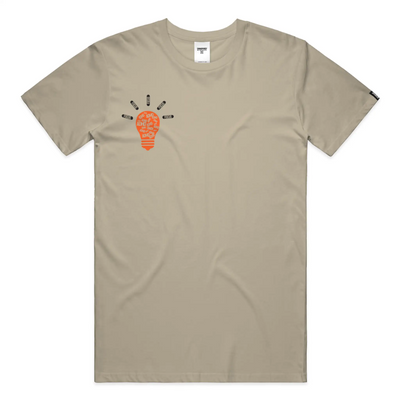
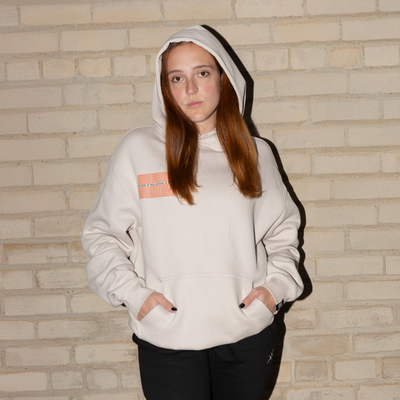
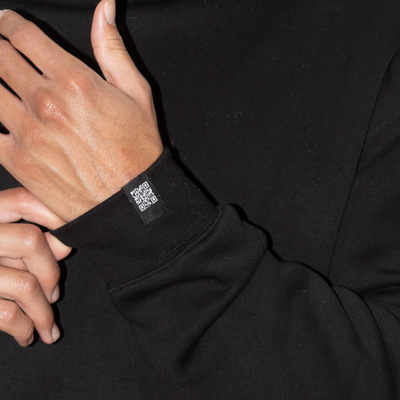
UNINSPIRED makes clothing for the ones who carry patterns they didn't choose. The How Are You? hoodie wears the one most fawners know best. Scan the sleeve.