For the ones who have always used clothing to say the thing they couldn't say out loud.
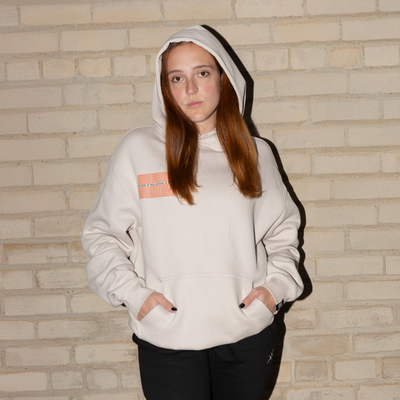
For the ones who chose the hoodie that morning for reasons they couldn't fully explain to someone who asked.
For the ones who knew, before there was a brand for it, that what you wore was a form of language.
Streetwear Has Always Been Communication
This is not new. Before mental health streetwear existed as a category, streetwear itself was always doing something more than covering a body. It was signaling: where you're from, what you're part of, who you're loyal to, what you've been through. The band tee said something. The colorway said something. The way you wore it said something.
The difference now is what's being said.
The vocabulary of contemporary streetwear — particularly the streetwear that Gen Z reaches for — has shifted from status and affiliation toward internal states. Not just "I'm from here" or "I'm part of this" but "this is what's happening inside me." The hoodie isn't performing membership in a crew. It's performing — or rather, acknowledging — a feeling.
Why Mental Health Language Landed in Clothing
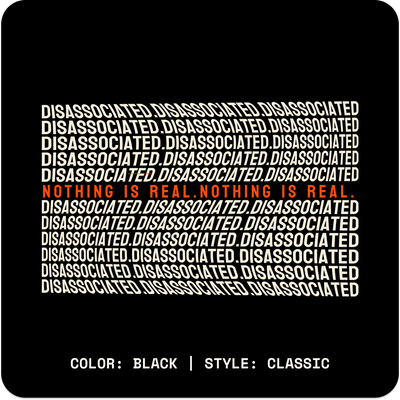
The timing makes sense. A generation that grew up with unprecedented access to mental health vocabulary — that learned the words for anxiety, dissociation, overstimulation, burnout, RSD — also grew up with unprecedented demand for authenticity in the things they consume and wear.
The fusion was inevitable. You have the language. You have a culture that says what you wear is who you are. What do you do with the parts of who you are that are hard to say in conversation?
You wear them.
Not as a cry for help. Not as a performance of suffering. As recognition — of yourself, primarily. As the externalization of something internal that needs to exist somewhere outside you, somewhere you can look at and confirm: yes, this is real, this is true, this is what's happening.
The Difference Between Performing and Saying
There's a version of mental health fashion that is performance. That wears "anxiety" or "depression" as an aesthetic, as a trend, as something that participates in a cultural moment without actually meaning anything.
That version is easy to spot. It's the same brand that next season will have pivoted to something else. It doesn't cost the person wearing it anything to wear it, because it doesn't reflect anything real about them.
The version that means something is different. It costs something to wear it — not money, but intention. You chose that word because it's true. You put it on your body because it needed to be somewhere outside the inside of your head. The people who see it and recognize it are the people who know the word from the inside, not from the outside looking in at a trend.
That's the distinction mental health streetwear either earns or fails to earn. The brands that earn it are the ones that started from the experience, not the aesthetic.
What It Does for the Person Wearing It
There's a specific thing that happens when you externalize something that has been internal.
It becomes real in a new way. Not more real — it was already real — but real in the physical world, not just in your body and mind. It takes up space outside you. It can be seen. You can look at it.
That sounds small. It isn't. The process of making internal experience legible — giving it form, giving it a word, putting it on the outside — is the same process that therapy is built around. The naming matters. The externalizing matters. What you wear when you do it matters.
Wearing something that says "overstimulated" when you're overstimulated is a minor act of self-acknowledgment. You're not hiding. You're not performing fine. You're saying: this is what's happening, and I'm not pretending otherwise, at least in the one small way that's available to me right now.
What It Does for the People Who See It
The other half of the transaction is the people who recognize the word on the outside of you and know what it means from the inside.
The stranger in the coffee shop who looks up and sees the hoodie and does a small quiet nod. The person in your friend group who says "where did you get that" with an inflection that means something more than asking about a clothing brand. The one person in the meeting who holds eye contact for a beat longer because they know the specific weight of the word on your chest.
Visibility changes things. Not always, not dramatically, not in ways that can be pointed to definitively. But the accumulation of seeing the thing said out loud — on bodies, in public, in the ordinary world — shifts what feels sayable. What feels shared. What feels less like a private failing and more like a human experience that other people are also in.
For the ones who already knew that what they wore was doing something — it was. It always was. The language just got more honest about what it was doing.
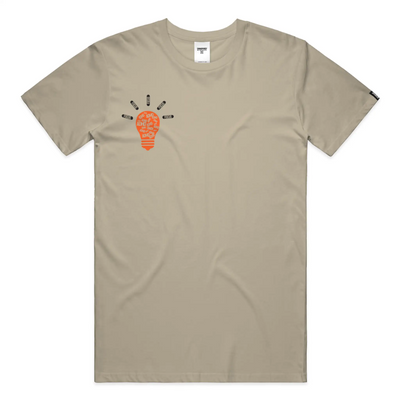
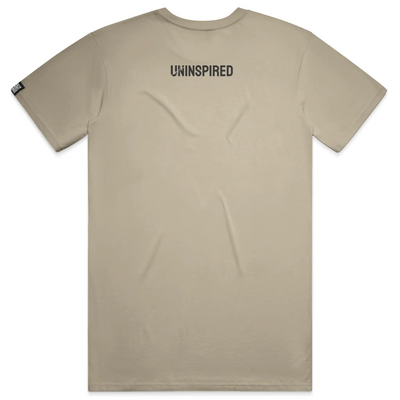
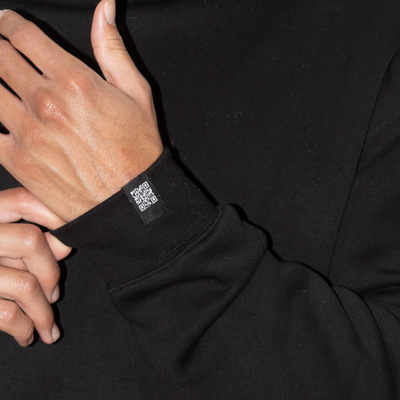
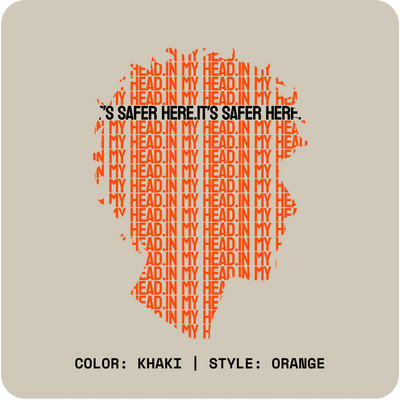
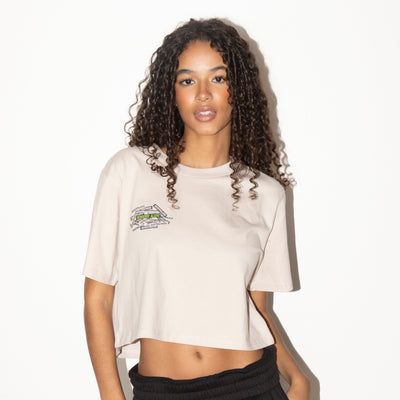
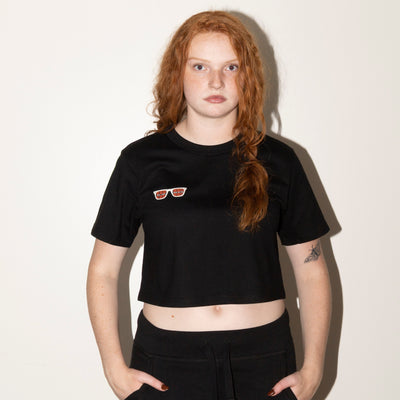
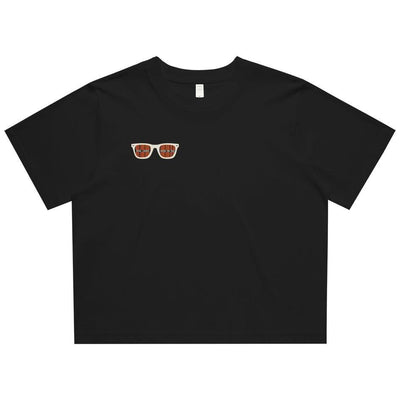
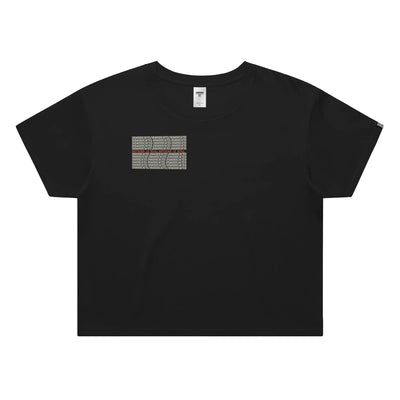
UNINSPIRED makes clothing for the ones who wear the truth. Shop the UNSPOKEN collection. Scan the sleeve.