Social Anxiety: When Every Room Feels Like a Test You Didn't Study For

For the ones who replayed the conversation three times on the drive home looking for the part where they got it wrong.

For the ones who are great online and freeze in person and can't explain the difference.

For the ones who have spent years performing confidence and are very, very tired.

What social anxiety actually is

Social anxiety is an intense fear of social situations — specifically, the fear of being evaluated negatively by others. Of being judged, humiliated, embarrassed, or rejected. Of doing or saying something that reveals you as less competent, less likable, or less okay than you're supposed to seem.

It's not shyness. Shyness is a temperament — a preference for less social stimulation, a slower warmup time in unfamiliar social contexts. Social anxiety is a fear response. The two can coexist, but they're not the same thing and don't respond to the same things.

Social anxiety disorder is the clinical version: when the fear is severe enough, consistent enough, and sufficiently impacts functioning to meet diagnostic criteria. But sub-clinical social anxiety — the persistent experience of significant distress around social evaluation without meeting full disorder criteria — is extremely common and significantly underreported.

What the fear is actually about

Social anxiety isn't fear of people. It's fear of evaluation. The specific threat isn't social contact — it's the assessment that might happen during it. The scrutiny, real or imagined, of how you came across, what you said, how you looked, whether the impression you made was the one you intended or the one that reveals what you're afraid is actually true about you.

This is why social anxiety can coexist with genuine social enjoyment — why someone can be funny and warm and genuinely interested in other people and still be driving home afterward running a post-mortem on everything they said. The enjoyment and the fear can occupy the same space. The anxiety isn't about wanting to be away from people. It's about the vulnerability of being seen by them.

The performance question

Social anxiety often produces an experience of being simultaneously in the social situation and watching yourself be in it. The conversation is happening and you're also evaluating whether the conversation is happening correctly. Monitoring your facial expression, your word choice, the pace of your speech, whether you're contributing the right amount or too much or too little.

This surveillance is exhausting. It produces a quality of social interaction that feels less like connection and more like performance — like you're playing a character who is socially functional, working from a script that keeps needing to be updated in real time, hoping no one notices the gap between the character and the person running it.

Why it often gets worse, not better, with avoidance

Avoidance is the most natural response to social anxiety and the least effective long-term strategy.

When you avoid a social situation that produces anxiety, you don't gather any information that challenges the anxiety. The feared outcome — the judgment, the humiliation, the exposure — doesn't happen, which is temporarily relieving. But the relief reinforces the avoidance: the situation is confirmed as something to be avoided. And the skill of tolerating social situations, which develops through exposure, doesn't develop. Which makes the next social situation harder.

Avoidance also often narrows the life. The parties not attended, the conversations not started, the opportunities not pursued because they required navigating the feared situation. The life becomes shaped around the anxiety rather than around what was actually wanted.

Social anxiety and the online difference

Many people with social anxiety find online communication significantly easier than in-person interaction. This is usually attributed to lower stakes, more processing time, and the absence of the real-time surveillance of the in-person experience — no one is watching your face while you compose a reply, and you can edit before anything is seen.

This difference is real and meaningful — and it can be used well (as a genuine way to connect, create, and build relationships that then move offline) or used as avoidance (as a substitute for the in-person connection that the anxiety makes more difficult). The difference matters and is worth being honest about.

What social anxiety looks like when it's well-managed

Not gone. Not cured. The fear doesn't disappear. The anticipated judgment doesn't stop being anticipated.

What changes: the relationship to the anxiety. The capacity to feel it and do the social thing anyway. The recognition that the post-mortem is running and it's not providing accurate feedback. The slow accumulation of evidence that the feared outcomes happen less often, and are less catastrophic when they do, than the anxiety predicted.

That's not a small thing. That's years of work, often with support. But it's the actual shape of what improvement looks like — not the silence of the fear, but the ability to move through it.


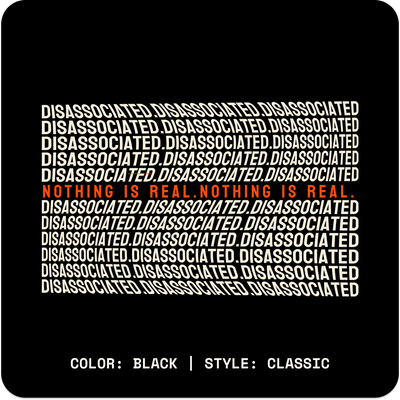
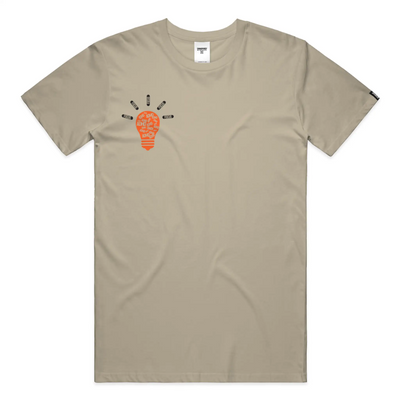
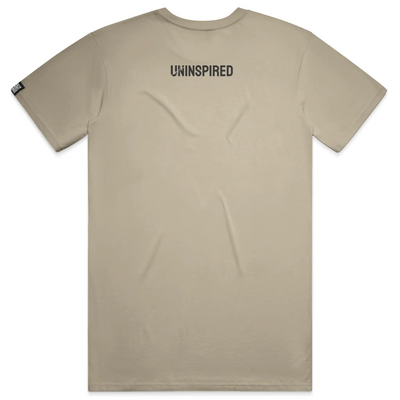
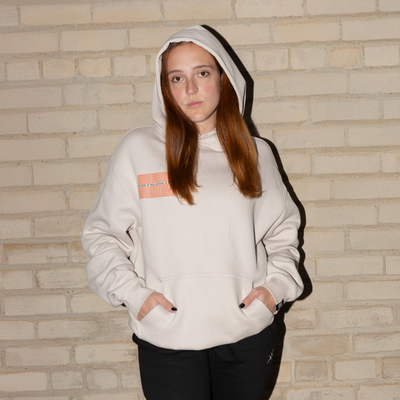
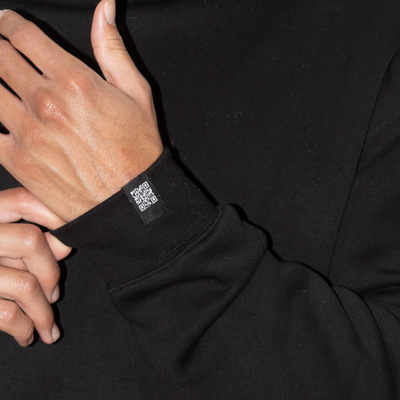
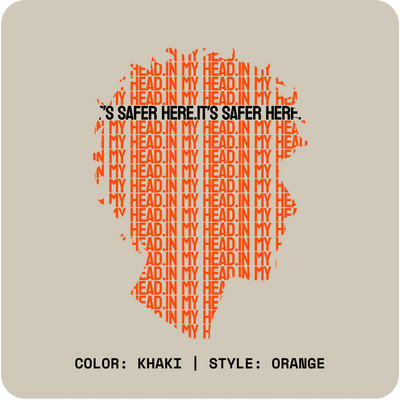
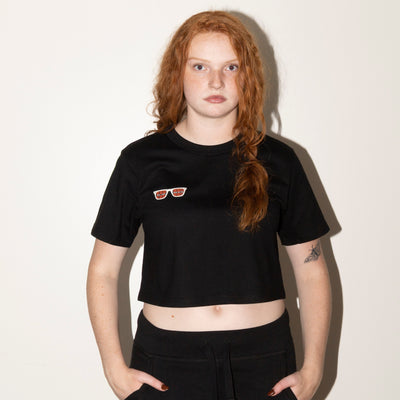
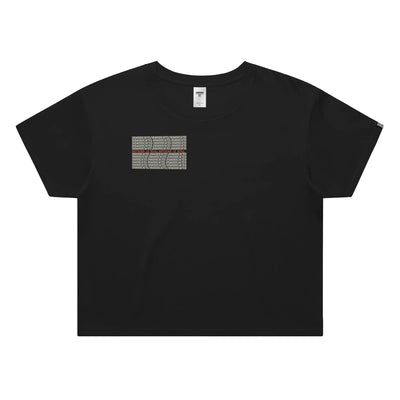
UNINSPIRED makes clothing for the ones who know what it's like to be in the room and also watching themselves be in the room. The In My Head collection names the distance. Scan the sleeve.

Social Anxiety: When Every Room Feels Like a Test You Didn't Study For

For the ones who replayed the conversation three times on the drive home looking for the part where they got it wrong.

For the ones who are great online and freeze in person and can't explain the difference.

For the ones who have spent years performing confidence and are very, very tired.

What social anxiety actually is

Social anxiety is an intense fear of social situations — specifically, the fear of being evaluated negatively by others. Of being judged, humiliated, embarrassed, or rejected. Of doing or saying something that reveals you as less competent, less likable, or less okay than you're supposed to seem.

It's not shyness. Shyness is a temperament — a preference for less social stimulation, a slower warmup time in unfamiliar social contexts. Social anxiety is a fear response. The two can coexist, but they're not the same thing and don't respond to the same things.

Social anxiety disorder is the clinical version: when the fear is severe enough, consistent enough, and sufficiently impacts functioning to meet diagnostic criteria. But sub-clinical social anxiety — the persistent experience of significant distress around social evaluation without meeting full disorder criteria — is extremely common and significantly underreported.

What the fear is actually about

Social anxiety isn't fear of people. It's fear of evaluation. The specific threat isn't social contact — it's the assessment that might happen during it. The scrutiny, real or imagined, of how you came across, what you said, how you looked, whether the impression you made was the one you intended or the one that reveals what you're afraid is actually true about you.

This is why social anxiety can coexist with genuine social enjoyment — why someone can be funny and warm and genuinely interested in other people and still be driving home afterward running a post-mortem on everything they said. The enjoyment and the fear can occupy the same space. The anxiety isn't about wanting to be away from people. It's about the vulnerability of being seen by them.

The performance question

Social anxiety often produces an experience of being simultaneously in the social situation and watching yourself be in it. The conversation is happening and you're also evaluating whether the conversation is happening correctly. Monitoring your facial expression, your word choice, the pace of your speech, whether you're contributing the right amount or too much or too little.

This surveillance is exhausting. It produces a quality of social interaction that feels less like connection and more like performance — like you're playing a character who is socially functional, working from a script that keeps needing to be updated in real time, hoping no one notices the gap between the character and the person running it.

Why it often gets worse, not better, with avoidance

Avoidance is the most natural response to social anxiety and the least effective long-term strategy.

When you avoid a social situation that produces anxiety, you don't gather any information that challenges the anxiety. The feared outcome — the judgment, the humiliation, the exposure — doesn't happen, which is temporarily relieving. But the relief reinforces the avoidance: the situation is confirmed as something to be avoided. And the skill of tolerating social situations, which develops through exposure, doesn't develop. Which makes the next social situation harder.

Avoidance also often narrows the life. The parties not attended, the conversations not started, the opportunities not pursued because they required navigating the feared situation. The life becomes shaped around the anxiety rather than around what was actually wanted.

Social anxiety and the online difference

Many people with social anxiety find online communication significantly easier than in-person interaction. This is usually attributed to lower stakes, more processing time, and the absence of the real-time surveillance of the in-person experience — no one is watching your face while you compose a reply, and you can edit before anything is seen.

This difference is real and meaningful — and it can be used well (as a genuine way to connect, create, and build relationships that then move offline) or used as avoidance (as a substitute for the in-person connection that the anxiety makes more difficult). The difference matters and is worth being honest about.

What social anxiety looks like when it's well-managed

Not gone. Not cured. The fear doesn't disappear. The anticipated judgment doesn't stop being anticipated.

What changes: the relationship to the anxiety. The capacity to feel it and do the social thing anyway. The recognition that the post-mortem is running and it's not providing accurate feedback. The slow accumulation of evidence that the feared outcomes happen less often, and are less catastrophic when they do, than the anxiety predicted.

That's not a small thing. That's years of work, often with support. But it's the actual shape of what improvement looks like — not the silence of the fear, but the ability to move through it.


UNINSPIRED makes clothing for the ones who know what it's like to be in the room and also watching themselves be in the room. The In My Head collection names the distance. Scan the sleeve.


0 comments

Leave a comment

Please note, comments must be approved before they are published

Favorites

Our most popular looks of the season

Relevant Product