Setting Limits: Why It's Not Selfish and Not a Personality Trait

For the ones who said yes when they meant no and were exhausted by the saying.

For the ones who feel guilty for having limits as if limits were a choice rather than a fact.

For the ones who were told they were being selfish for needing less than they were being asked to give.

What limits actually are

Limits aren't walls. They're not a rejection of the other person or evidence of not caring enough or proof that you're difficult to be around.

Limits are information: the accurate description of what a person can give, tolerate, engage with, or sustain. They exist whether or not they're communicated. What communicating them does is make that information available to the other people in the room — so that the interaction can be based on what's actually true rather than on a performance of availability that isn't.

A limit that's never communicated doesn't mean you don't have one. It means you're absorbing the cost of having it silently, while the people around you operate under a false assumption about what you have to offer.

Why limits feel selfish when they aren't

The experience of guilt when establishing a limit — even a reasonable, clearly warranted limit — is extremely common. The guilt doesn't mean you're doing something wrong. It usually means you learned, somewhere early, that having needs that conflicted with other people's expectations came with a social cost.

In contexts where resources and safety depended on keeping others happy, making your limits visible was risky. The solution was to not have visible limits — to perform availability, accommodate requests, and absorb the cost internally rather than create friction externally.

The guilt is that training running. It's the nervous system flagging the limit as dangerous because, in a previous context, it was. The guilt doesn't reflect the current reality of the situation. It reflects the archive.

What establishing limits actually requires

Not a script. Not the right phrasing, the right framing, the right therapy language. Those things can help, but they're not the core of it.

The core is: being willing to tolerate the discomfort of someone else's response to your limit. The discomfort of their disappointment, their pushback, their momentary displeasure. That discomfort is real and it's worth sitting with honestly. For people with fawn responses, for people pleasers, for people who learned early that managing other people's emotions was their responsibility — that discomfort is the actual barrier. Not knowing the right words. Not knowing they're allowed to have limits. Tolerating the feeling that comes when a limit produces friction.

The difference between limits and walls

This distinction matters because conflating them is one of the most common ways the concept gets used against people who establish them.

Walls keep everything out, including things worth keeping in. They're built from fear, and they prevent connection as reliably as they prevent harm. A person with walls isn't establishing limits — they're avoiding contact.

Limits are specific and permeable. They describe what you can give in this context, at this time, with these resources available. They're not about the other person's worth. They're about your actual capacity. They change when capacity changes. They're not character. They're information.

Limits in practice

Not always an explicit statement. Sometimes just the decision not to do the thing you don't have capacity for — without explanation, without performance of guilt, without the extensive justification that would be required to make the limit feel safe to have.

The request that doesn't get answered immediately because the answer needs to be considered rather than reflexed. The invitation that gets declined without a three-paragraph apology. The conversation that ends when you're done with it rather than when the other person has finished extracting from it.

Small. Specific. Based on what's actually true rather than what keeps the friction lowest in the immediate term.

What happens on the other side

Usually not what the fear predicted. Most people, in most cases, accept a clearly communicated limit without the catastrophe that the nervous system anticipates.

And when someone doesn't — when the limit produces a reaction that confirms it wasn't safe to have — that's information too. About the relationship, the dynamic, the level of demand that was operating underneath a surface of reciprocity that wasn't actually there.

Limits don't create that information. They surface it.


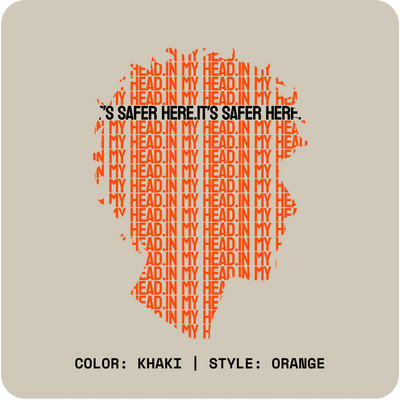
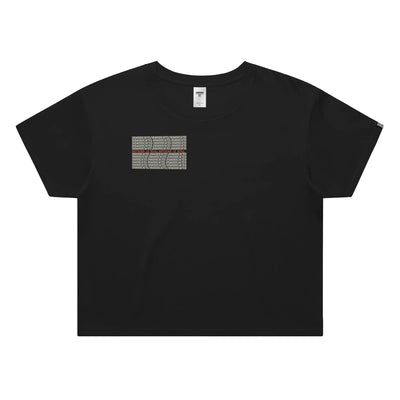
UNINSPIRED makes clothing for the ones who are learning what they actually have to give. The I Don't Care collection makes the statement without the explanation. Scan the sleeve.

Setting Limits: Why It's Not Selfish and Not a Personality Trait

For the ones who said yes when they meant no and were exhausted by the saying.

For the ones who feel guilty for having limits as if limits were a choice rather than a fact.

For the ones who were told they were being selfish for needing less than they were being asked to give.

What limits actually are

Limits aren't walls. They're not a rejection of the other person or evidence of not caring enough or proof that you're difficult to be around.

Limits are information: the accurate description of what a person can give, tolerate, engage with, or sustain. They exist whether or not they're communicated. What communicating them does is make that information available to the other people in the room — so that the interaction can be based on what's actually true rather than on a performance of availability that isn't.

A limit that's never communicated doesn't mean you don't have one. It means you're absorbing the cost of having it silently, while the people around you operate under a false assumption about what you have to offer.

Why limits feel selfish when they aren't

The experience of guilt when establishing a limit — even a reasonable, clearly warranted limit — is extremely common. The guilt doesn't mean you're doing something wrong. It usually means you learned, somewhere early, that having needs that conflicted with other people's expectations came with a social cost.

In contexts where resources and safety depended on keeping others happy, making your limits visible was risky. The solution was to not have visible limits — to perform availability, accommodate requests, and absorb the cost internally rather than create friction externally.

The guilt is that training running. It's the nervous system flagging the limit as dangerous because, in a previous context, it was. The guilt doesn't reflect the current reality of the situation. It reflects the archive.

What establishing limits actually requires

Not a script. Not the right phrasing, the right framing, the right therapy language. Those things can help, but they're not the core of it.

The core is: being willing to tolerate the discomfort of someone else's response to your limit. The discomfort of their disappointment, their pushback, their momentary displeasure. That discomfort is real and it's worth sitting with honestly. For people with fawn responses, for people pleasers, for people who learned early that managing other people's emotions was their responsibility — that discomfort is the actual barrier. Not knowing the right words. Not knowing they're allowed to have limits. Tolerating the feeling that comes when a limit produces friction.

The difference between limits and walls

This distinction matters because conflating them is one of the most common ways the concept gets used against people who establish them.

Walls keep everything out, including things worth keeping in. They're built from fear, and they prevent connection as reliably as they prevent harm. A person with walls isn't establishing limits — they're avoiding contact.

Limits are specific and permeable. They describe what you can give in this context, at this time, with these resources available. They're not about the other person's worth. They're about your actual capacity. They change when capacity changes. They're not character. They're information.

Limits in practice

Not always an explicit statement. Sometimes just the decision not to do the thing you don't have capacity for — without explanation, without performance of guilt, without the extensive justification that would be required to make the limit feel safe to have.

The request that doesn't get answered immediately because the answer needs to be considered rather than reflexed. The invitation that gets declined without a three-paragraph apology. The conversation that ends when you're done with it rather than when the other person has finished extracting from it.

Small. Specific. Based on what's actually true rather than what keeps the friction lowest in the immediate term.

What happens on the other side

Usually not what the fear predicted. Most people, in most cases, accept a clearly communicated limit without the catastrophe that the nervous system anticipates.

And when someone doesn't — when the limit produces a reaction that confirms it wasn't safe to have — that's information too. About the relationship, the dynamic, the level of demand that was operating underneath a surface of reciprocity that wasn't actually there.

Limits don't create that information. They surface it.


UNINSPIRED makes clothing for the ones who are learning what they actually have to give. The I Don't Care collection makes the statement without the explanation. Scan the sleeve.


0 comments

Leave a comment

Please note, comments must be approved before they are published

Favorites

Our most popular looks of the season

Relevant Product