Rejection Sensitive Dysphoria: When Every 'No' Feels Like the End of the World

For the ones who read a one-word reply and spend three hours trying to decode what went wrong.

For the ones who preemptively withdraw so they can't be left first.

For the ones where the sting of a small rejection is physically, embarrassingly real.

What Rejection Sensitive Dysphoria Is

Not sensitivity. Not fragility. Rejection sensitive dysphoria — RSD — is an intense emotional response to perceived rejection or criticism, wired into the nervous system. The key word: perceived. You don't need actual rejection. The possibility is enough. The ambiguity. The silence where there should be a reply.

It's most commonly associated with ADHD, though not everyone who experiences it has a diagnosis. What's consistent across the research: the response is dysregulation, not drama. The nervous system treats rejection the way it might treat a physical threat. The pain is real. The reaction is physiological — not a choice, not a performance.

That matters. Because people who live with RSD have often been told their whole lives that they're "too sensitive," "too much," or "overreacting." The framing puts the problem in the person — in their inability to handle normal life. What the framing misses: the response is neurological. It's not a character flaw to work on. It's a feature of a brain that processes emotional pain differently.

What It Actually Feels Like

There's a spectrum. On one end: the low-level background anxiety that monitors every interaction for signs of withdrawal. The subtle hypervigilance — scanning faces, rereading messages, tracking tone. The way a slight shift in someone's energy can feel like an earthquake you're standing inside.

On the other end: an acute pain response. Something is said — or not said. Someone doesn't respond. You're left out, criticized, passed over. And what happens in your body doesn't match the scale of the event. The feeling is immediate and overwhelming — shame, rage, grief, sometimes all at once. Not because you're being dramatic. Because your nervous system has categorized this moment as a crisis.

Then it passes. Often quickly. And then you feel embarrassed by the intensity of the reaction — which adds another layer. The shame of having felt it that much. The fear that you're too much. The worry that this time, you've confirmed it.

The loop: sensitive response → shame about response → fear of rejection for being too sensitive → more vigilance → more sensitivity. It feeds itself.

How RSD Shows Up in Relationships

It shapes relationships in ways that are hard to name from inside them. You might go quiet when things feel uncertain — not because you don't care, but because withdrawing feels safer than finding out. You might read into every change in tone. You might apologize preemptively, or avoid conflict entirely because the thought of someone being angry at you triggers a response that's out of proportion to the situation.

You might people-please — not because you don't have needs, but because disappointing someone feels unbearable. The anticipation of that disapproval is enough to make you override yourself entirely before anything even happens.

Or you might go the other direction: push people away before they can leave. Create distance while wanting closeness. It's a protection mechanism — one that doesn't always look like sensitivity from the outside. Sometimes it looks like coldness. Sometimes it looks like avoidance. The logic is the same: get there first.

How RSD Shows Up at Work

Feedback — even constructive, well-delivered feedback — can land like a verdict. A critical comment in a review. A colleague who challenges your idea in a meeting. An email that's shorter than usual. The professional version of RSD means navigating all of this while also trying to perform competence and not let the wave show.

Which is exhausting. Because when the wave hits, it requires real energy to contain it. And the containment is its own performance — looking fine on the outside while your nervous system treats the moment as an emergency.

This is also why RSD can look like procrastination or avoidance in work contexts. The risk of criticism feels so disproportionately painful that not finishing something — or not trying — becomes self-protection. If you never submit it, you can never be rejected for it. The avoidance makes sense. It's not laziness. It's armor.

The Difference Between RSD and Being Sensitive

Sensitivity is a trait. A way of experiencing the world that can be a source of depth, perception, connection. Sensitivity isn't a problem to fix.

RSD is a regulatory challenge. The intensity, the speed of onset, the difficulty returning to baseline — these are features of how the nervous system processes emotional pain when it's wired for ADHD or similar. It's not about feeling more than other people. It's about the pain being disproportionate and hard to regulate once it arrives.

The distinction matters because the response to each is different. "Be less sensitive" is not useful advice for RSD. "Understand what's happening in your nervous system" is a different conversation — one that actually goes somewhere.

What Actually Helps

Naming it helps. Not to excuse the response — to understand it. When you know what RSD is, you can start to separate the experience from the interpretation. The feeling is real. The narrative built around it — that it proves something about you, about the relationship, about your place in the world — that part is worth slowing down on.

Creating space between stimulus and story. The message came in. Your nervous system responded. The spiral of what it means is a story added afterward. Not always wrong — sometimes the read is accurate. But usually worth pausing before acting on.

And understanding your patterns — when you withdraw, when you chase reassurance, when you go quiet — helps you see RSD at work rather than just experiencing it as a faceless flood with no name.

You don't have to talk yourself out of the pain. You don't have to be less. You do have to stop letting the story run on autopilot before you've had a chance to check it.

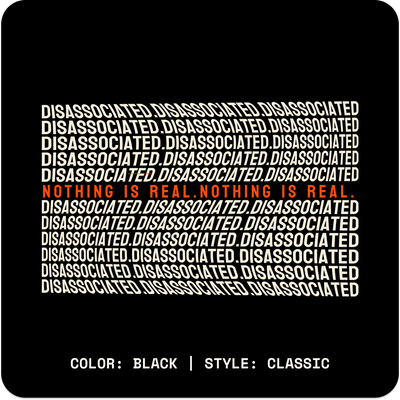
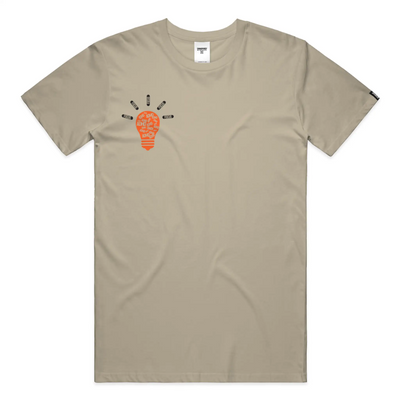
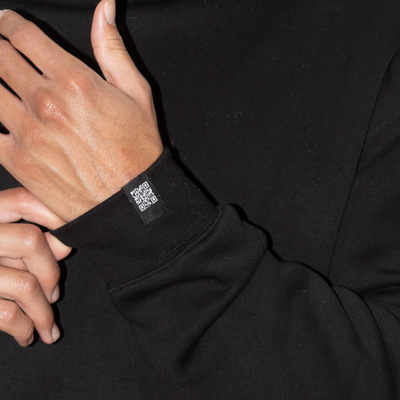
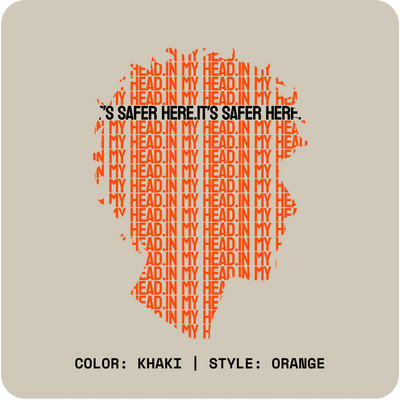
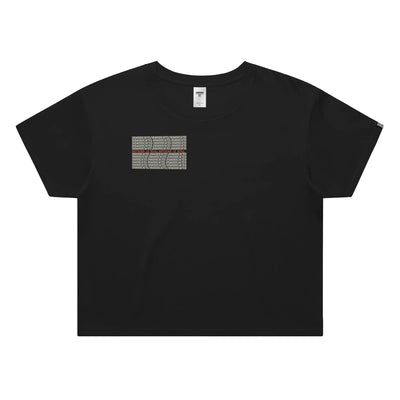
UNINSPIRED makes clothing for the ones whose brains don't come with a user manual. The ADHD collection is for the ones running on a different operating system. Scan the sleeve.

Rejection Sensitive Dysphoria: When Every 'No' Feels Like the End of the World

For the ones who read a one-word reply and spend three hours trying to decode what went wrong.

For the ones who preemptively withdraw so they can't be left first.

For the ones where the sting of a small rejection is physically, embarrassingly real.

What Rejection Sensitive Dysphoria Is

Not sensitivity. Not fragility. Rejection sensitive dysphoria — RSD — is an intense emotional response to perceived rejection or criticism, wired into the nervous system. The key word: perceived. You don't need actual rejection. The possibility is enough. The ambiguity. The silence where there should be a reply.

It's most commonly associated with ADHD, though not everyone who experiences it has a diagnosis. What's consistent across the research: the response is dysregulation, not drama. The nervous system treats rejection the way it might treat a physical threat. The pain is real. The reaction is physiological — not a choice, not a performance.

That matters. Because people who live with RSD have often been told their whole lives that they're "too sensitive," "too much," or "overreacting." The framing puts the problem in the person — in their inability to handle normal life. What the framing misses: the response is neurological. It's not a character flaw to work on. It's a feature of a brain that processes emotional pain differently.

What It Actually Feels Like

There's a spectrum. On one end: the low-level background anxiety that monitors every interaction for signs of withdrawal. The subtle hypervigilance — scanning faces, rereading messages, tracking tone. The way a slight shift in someone's energy can feel like an earthquake you're standing inside.

On the other end: an acute pain response. Something is said — or not said. Someone doesn't respond. You're left out, criticized, passed over. And what happens in your body doesn't match the scale of the event. The feeling is immediate and overwhelming — shame, rage, grief, sometimes all at once. Not because you're being dramatic. Because your nervous system has categorized this moment as a crisis.

Then it passes. Often quickly. And then you feel embarrassed by the intensity of the reaction — which adds another layer. The shame of having felt it that much. The fear that you're too much. The worry that this time, you've confirmed it.

The loop: sensitive response → shame about response → fear of rejection for being too sensitive → more vigilance → more sensitivity. It feeds itself.

How RSD Shows Up in Relationships

It shapes relationships in ways that are hard to name from inside them. You might go quiet when things feel uncertain — not because you don't care, but because withdrawing feels safer than finding out. You might read into every change in tone. You might apologize preemptively, or avoid conflict entirely because the thought of someone being angry at you triggers a response that's out of proportion to the situation.

You might people-please — not because you don't have needs, but because disappointing someone feels unbearable. The anticipation of that disapproval is enough to make you override yourself entirely before anything even happens.

Or you might go the other direction: push people away before they can leave. Create distance while wanting closeness. It's a protection mechanism — one that doesn't always look like sensitivity from the outside. Sometimes it looks like coldness. Sometimes it looks like avoidance. The logic is the same: get there first.

How RSD Shows Up at Work

Feedback — even constructive, well-delivered feedback — can land like a verdict. A critical comment in a review. A colleague who challenges your idea in a meeting. An email that's shorter than usual. The professional version of RSD means navigating all of this while also trying to perform competence and not let the wave show.

Which is exhausting. Because when the wave hits, it requires real energy to contain it. And the containment is its own performance — looking fine on the outside while your nervous system treats the moment as an emergency.

This is also why RSD can look like procrastination or avoidance in work contexts. The risk of criticism feels so disproportionately painful that not finishing something — or not trying — becomes self-protection. If you never submit it, you can never be rejected for it. The avoidance makes sense. It's not laziness. It's armor.

The Difference Between RSD and Being Sensitive

Sensitivity is a trait. A way of experiencing the world that can be a source of depth, perception, connection. Sensitivity isn't a problem to fix.

RSD is a regulatory challenge. The intensity, the speed of onset, the difficulty returning to baseline — these are features of how the nervous system processes emotional pain when it's wired for ADHD or similar. It's not about feeling more than other people. It's about the pain being disproportionate and hard to regulate once it arrives.

The distinction matters because the response to each is different. "Be less sensitive" is not useful advice for RSD. "Understand what's happening in your nervous system" is a different conversation — one that actually goes somewhere.

What Actually Helps

Naming it helps. Not to excuse the response — to understand it. When you know what RSD is, you can start to separate the experience from the interpretation. The feeling is real. The narrative built around it — that it proves something about you, about the relationship, about your place in the world — that part is worth slowing down on.

Creating space between stimulus and story. The message came in. Your nervous system responded. The spiral of what it means is a story added afterward. Not always wrong — sometimes the read is accurate. But usually worth pausing before acting on.

And understanding your patterns — when you withdraw, when you chase reassurance, when you go quiet — helps you see RSD at work rather than just experiencing it as a faceless flood with no name.

You don't have to talk yourself out of the pain. You don't have to be less. You do have to stop letting the story run on autopilot before you've had a chance to check it.

UNINSPIRED makes clothing for the ones whose brains don't come with a user manual. The ADHD collection is for the ones running on a different operating system. Scan the sleeve.


0 comments

Leave a comment

Please note, comments must be approved before they are published

Favorites

Our most popular looks of the season

Relevant Product