People Pleasing Isn't Kindness. It's What Happens When Saying No Feels Dangerous.

For the ones who said yes when every part of them was screaming no.

For the ones who monitor every room for what's needed and deliver it before anyone asks.

For the ones who've lost track of what they actually want because they've been busy managing what everyone else needs.

What People Pleasing Actually Is

Not niceness. Not generosity. Not being a good person. People pleasing is a pattern of prioritizing other people's comfort, approval, or needs — at the consistent expense of your own. The distinction matters: genuine kindness comes from a place of choice. People pleasing comes from a place of fear.

Fear of conflict. Fear of disappointing someone. Fear of taking up too much space. Fear that your needs are too much — or that having them at all makes you difficult. The underlying belief varies: I'm only safe when people are happy with me. My value depends on being useful. If I say no, they'll leave.

These beliefs don't appear from nowhere. They're learned — usually early, usually in environments where putting yourself first genuinely wasn't safe. The pattern made sense in the original context. It carried you through something. The problem is that it didn't get the memo when the context changed.

What It Looks Like

Agreeing to things and resenting them immediately. Saying you're fine when you're not — not to be polite, but because fine is the only answer that feels safe. Over-apologizing. Under-asking. Taking responsibility for other people's emotions. Shrinking your needs to match what you think others can handle.

Monitoring. That's the word most people miss. People pleasing involves a constant background scan of every environment — reading the room, reading the person, adjusting yourself accordingly. It's exhausting because it never stops. Even in situations that feel safe, the scan keeps running.

And the more you do it, the more invisible your actual self becomes — to you, not just to others. You spend so long performing a version of yourself calibrated to what others need that you lose access to what you actually want. The preferences get quiet. The needs go unspoken for so long they start to feel like they don't exist.

The Fawn Response

In trauma and nervous system research, people pleasing is often described as the "fawn" response — the fourth stress response alongside fight, flight, and freeze. While fight and flight involve moving toward or away from threat, fawn involves appeasing it. Becoming agreeable. Becoming useful. Making yourself so pleasant and non-threatening that there's no reason to hurt you.

For people who grew up in unpredictable, volatile, or emotionally demanding environments, fawning worked. It reduced conflict. It managed the emotional state of the person who held power over you. It kept things calm enough to get through.

The nervous system learns what keeps it safe. When fawning was the strategy that kept you safe, it becomes the automatic response — even decades later, in situations with completely different stakes. The body doesn't know the environment changed. It's running a program that was useful once.

The Cost

Resentment. That's the most consistent cost — and the one that surprises people pleasing people the most. You did the thing. You said yes. You showed up. And somewhere underneath the performance of being good about it, something is seething.

Because you didn't actually want to. You just didn't feel like you could say so.

The resentment builds in proportion to the distance between what you agreed to and what you actually wanted. It corrodes relationships, not because you said no, but because you said yes while containing no — and the containment eventually shows.

The other cost: you. The version of you that has preferences, limits, opinions that aren't calibrated to the room. The version that takes up space unapologetically. That version gets quieter the longer people pleasing runs. Not gone — quieter. But it costs something to keep her quiet.

Why "Just Say No" Doesn't Work

Because the pattern isn't a decision problem. It's a nervous system problem. The body doesn't experience saying no as a simple choice — it experiences it as a threat. When saying no has historically been met with conflict, punishment, withdrawal, or emotional chaos, the nervous system treats it as dangerous. Not metaphorically dangerous. Actually, physically dangerous.

So the advice to "just set limits" runs headfirst into a physiological response that's been running since before you were old enough to reason about it. You can know, cognitively, that saying no is fine. And still feel a wave of anxiety, dread, or physical discomfort when you try. That's not weakness. That's a nervous system doing its job.

Changing the pattern requires more than deciding to be different. It requires building the evidence — slowly, repeatedly — that saying no is survivable. That conflict doesn't mean catastrophe. That the relationship can hold the weight of your actual needs.

What Unlearning It Actually Looks Like

Small. Slower than expected. Saying no to something low-stakes and sitting with the discomfort instead of overriding it. Noticing the monitoring happening in real time. Letting a pause exist before you respond instead of automatically calibrating to what the other person seems to need.

Asking what you actually want in small moments before the big ones. The preference for dinner. The honest answer to "how are you?" Practice grounds. Not therapy homework — just recalibration. Relearning that having a preference doesn't make you a burden.

And recognizing the people in your life who can hold your no. Who don't treat your limits as a problem to manage. Who are still there on the other side of your honest answer. That evidence matters more than any affirmation. The nervous system updates on experience.

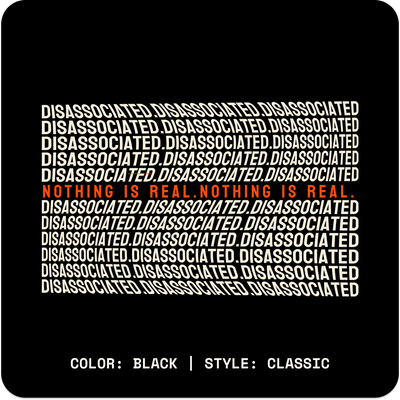
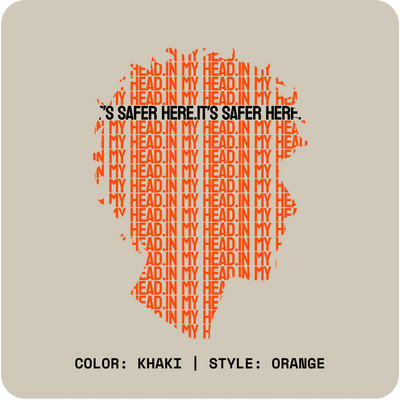
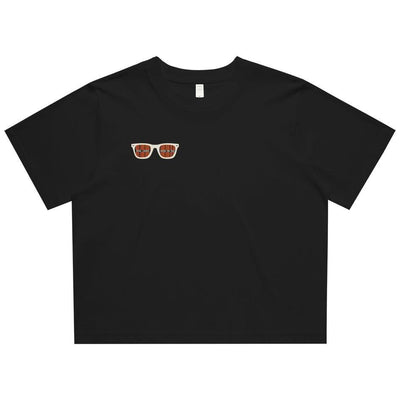
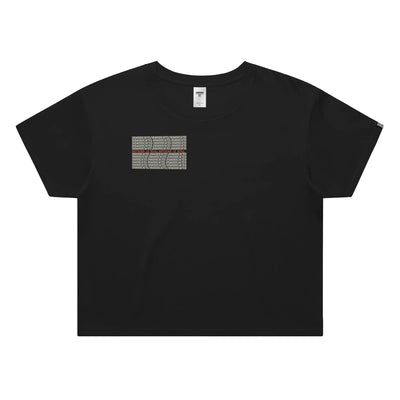
UNINSPIRED makes clothing for the ones who've spent years performing fine for everyone else's comfort. The I'm Fine collection is for the ones who are done pretending the performance is free. Scan the sleeve.

People Pleasing Isn't Kindness. It's What Happens When Saying No Feels Dangerous.

For the ones who said yes when every part of them was screaming no.

For the ones who monitor every room for what's needed and deliver it before anyone asks.

For the ones who've lost track of what they actually want because they've been busy managing what everyone else needs.

What People Pleasing Actually Is

Not niceness. Not generosity. Not being a good person. People pleasing is a pattern of prioritizing other people's comfort, approval, or needs — at the consistent expense of your own. The distinction matters: genuine kindness comes from a place of choice. People pleasing comes from a place of fear.

Fear of conflict. Fear of disappointing someone. Fear of taking up too much space. Fear that your needs are too much — or that having them at all makes you difficult. The underlying belief varies: I'm only safe when people are happy with me. My value depends on being useful. If I say no, they'll leave.

These beliefs don't appear from nowhere. They're learned — usually early, usually in environments where putting yourself first genuinely wasn't safe. The pattern made sense in the original context. It carried you through something. The problem is that it didn't get the memo when the context changed.

What It Looks Like

Agreeing to things and resenting them immediately. Saying you're fine when you're not — not to be polite, but because fine is the only answer that feels safe. Over-apologizing. Under-asking. Taking responsibility for other people's emotions. Shrinking your needs to match what you think others can handle.

Monitoring. That's the word most people miss. People pleasing involves a constant background scan of every environment — reading the room, reading the person, adjusting yourself accordingly. It's exhausting because it never stops. Even in situations that feel safe, the scan keeps running.

And the more you do it, the more invisible your actual self becomes — to you, not just to others. You spend so long performing a version of yourself calibrated to what others need that you lose access to what you actually want. The preferences get quiet. The needs go unspoken for so long they start to feel like they don't exist.

The Fawn Response

In trauma and nervous system research, people pleasing is often described as the "fawn" response — the fourth stress response alongside fight, flight, and freeze. While fight and flight involve moving toward or away from threat, fawn involves appeasing it. Becoming agreeable. Becoming useful. Making yourself so pleasant and non-threatening that there's no reason to hurt you.

For people who grew up in unpredictable, volatile, or emotionally demanding environments, fawning worked. It reduced conflict. It managed the emotional state of the person who held power over you. It kept things calm enough to get through.

The nervous system learns what keeps it safe. When fawning was the strategy that kept you safe, it becomes the automatic response — even decades later, in situations with completely different stakes. The body doesn't know the environment changed. It's running a program that was useful once.

The Cost

Resentment. That's the most consistent cost — and the one that surprises people pleasing people the most. You did the thing. You said yes. You showed up. And somewhere underneath the performance of being good about it, something is seething.

Because you didn't actually want to. You just didn't feel like you could say so.

The resentment builds in proportion to the distance between what you agreed to and what you actually wanted. It corrodes relationships, not because you said no, but because you said yes while containing no — and the containment eventually shows.

The other cost: you. The version of you that has preferences, limits, opinions that aren't calibrated to the room. The version that takes up space unapologetically. That version gets quieter the longer people pleasing runs. Not gone — quieter. But it costs something to keep her quiet.

Why "Just Say No" Doesn't Work

Because the pattern isn't a decision problem. It's a nervous system problem. The body doesn't experience saying no as a simple choice — it experiences it as a threat. When saying no has historically been met with conflict, punishment, withdrawal, or emotional chaos, the nervous system treats it as dangerous. Not metaphorically dangerous. Actually, physically dangerous.

So the advice to "just set limits" runs headfirst into a physiological response that's been running since before you were old enough to reason about it. You can know, cognitively, that saying no is fine. And still feel a wave of anxiety, dread, or physical discomfort when you try. That's not weakness. That's a nervous system doing its job.

Changing the pattern requires more than deciding to be different. It requires building the evidence — slowly, repeatedly — that saying no is survivable. That conflict doesn't mean catastrophe. That the relationship can hold the weight of your actual needs.

What Unlearning It Actually Looks Like

Small. Slower than expected. Saying no to something low-stakes and sitting with the discomfort instead of overriding it. Noticing the monitoring happening in real time. Letting a pause exist before you respond instead of automatically calibrating to what the other person seems to need.

Asking what you actually want in small moments before the big ones. The preference for dinner. The honest answer to "how are you?" Practice grounds. Not therapy homework — just recalibration. Relearning that having a preference doesn't make you a burden.

And recognizing the people in your life who can hold your no. Who don't treat your limits as a problem to manage. Who are still there on the other side of your honest answer. That evidence matters more than any affirmation. The nervous system updates on experience.

UNINSPIRED makes clothing for the ones who've spent years performing fine for everyone else's comfort. The I'm Fine collection is for the ones who are done pretending the performance is free. Scan the sleeve.


0 comments

Leave a comment

Please note, comments must be approved before they are published

Favorites

Our most popular looks of the season

Relevant Product