Overstimulated: Why This Word Finally Has a Name

For the ones who finally had a word for something they'd been experiencing their whole lives — and felt relief and grief at the same time.

For the ones who said "overstimulated" out loud for the first time and watched someone else nod in recognition.

For the ones who needed a name before they could explain it to themselves.


Why Having a Name Matters

Before "overstimulated" became a common word, a lot of people were describing the experience with approximations.

I'm just tired. (Not tired — overloaded.) I'm being antisocial. (Not antisocial — past capacity.) I don't know why, I just can't be in that room anymore. (You can — until you hit a ceiling you couldn't see coming and then you can't, suddenly and completely.)

The experience existed without the vocabulary. And without vocabulary, the experience had no frame — which meant it had to be explained, justified, apologized for, or hidden.

A word doesn't fix the experience. But it changes the relationship to it.


What "Overstimulated" Names

Overstimulation is a nervous system state — not a personality trait, not a mood, not evidence of weakness.

The nervous system processes sensory input constantly: sound, light, temperature, touch, movement, social information, cognitive load. For most people in most environments, this processing runs in the background without much conscious awareness.

When input exceeds what the nervous system can process — or when the nervous system is already running near capacity and something tips it over — the filtering breaks down. Everything that was background becomes foreground. The ambient noise becomes loud. The crowded room becomes impossible. The sensation of clothing against skin becomes unbearable.

Overstimulated. Your nervous system is telling you something. It's at its ceiling.


Why This Word Landed the Way It Did

"Overstimulated" entered common vocabulary partly because it arrived at the right moment. A generation of people who had been processing the world differently — more intensely, more consciously, with more effort — finally had access to language that named the mechanism rather than the character.

Not "too sensitive." Overstimulated. Not "can't handle it." Overstimulated. Not a personal failing. A nervous system response.

The shift from character judgment to physiological description changes everything about how you relate to the experience. You stop asking what's wrong with me and start asking what does my nervous system need right now.


Who Experiences It

Not just people with ADHD or autism, though for them it tends to be more frequent, more intense, and more disruptive. The filtering difficulty that's built into some neurotypes makes overstimulation a structural feature rather than an occasional visitor.

But sensory overload is broader than that. Anxiety, chronic stress, depression, burnout, grief — all of these reduce the nervous system's available capacity. They lower the ceiling. They make environments that would normally be fine suddenly intolerable.

Sleep deprivation does it. Extended social performance does it. The cumulative load of a week that asked too much does it. The ceiling isn't fixed. It moves. And what it can handle on Monday might be too much by Thursday.


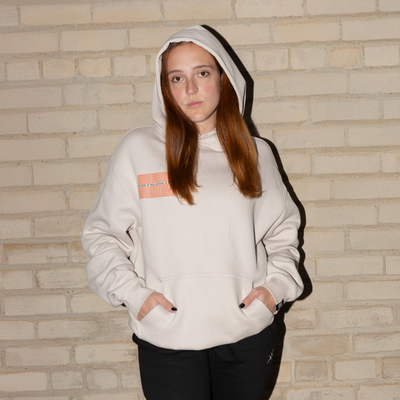
What the Overstimulated Hoodie Is Actually Saying

Not "I have a diagnosis." Not "give me space." Not a request for accommodation or explanation.

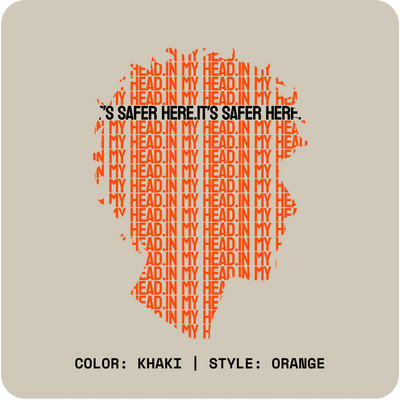
It's saying: I know this word. I know what it means in my body. I wear it because it's true — and because walking through a world that is genuinely, measurably louder than any human nervous system was designed for, with a word for what that costs, is different than doing it unnamed.

The ones who get it get it immediately. The ones who don't — weren't the audience.


The QR Code at the Wrist

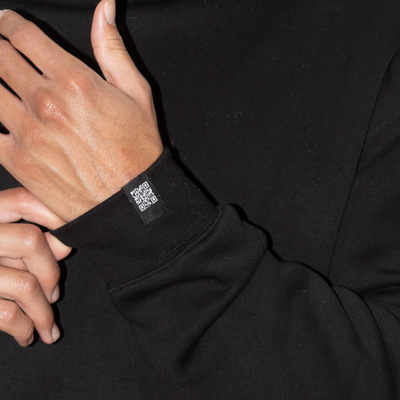
Every UNINSPIRED piece has something hidden in it — a woven QR code at the wrist that opens an AR reveal when you scan it. A message that rotates. Something that exists only between you and the garment.

For the Overstimulated hoodie, that hidden layer is for the moments when the overstimulation is real and the room is too much. It's there when you're ready for it.


The Overstimulated hoodie is part of the UNSPOKEN collection. Made-to-order. For the ones whose nervous systems know. Scan the sleeve.

Overstimulated: Why This Word Finally Has a Name

For the ones who finally had a word for something they'd been experiencing their whole lives — and felt relief and grief at the same time.

For the ones who said "overstimulated" out loud for the first time and watched someone else nod in recognition.

For the ones who needed a name before they could explain it to themselves.


Why Having a Name Matters

Before "overstimulated" became a common word, a lot of people were describing the experience with approximations.

I'm just tired. (Not tired — overloaded.) I'm being antisocial. (Not antisocial — past capacity.) I don't know why, I just can't be in that room anymore. (You can — until you hit a ceiling you couldn't see coming and then you can't, suddenly and completely.)

The experience existed without the vocabulary. And without vocabulary, the experience had no frame — which meant it had to be explained, justified, apologized for, or hidden.

A word doesn't fix the experience. But it changes the relationship to it.


What "Overstimulated" Names

Overstimulation is a nervous system state — not a personality trait, not a mood, not evidence of weakness.

The nervous system processes sensory input constantly: sound, light, temperature, touch, movement, social information, cognitive load. For most people in most environments, this processing runs in the background without much conscious awareness.

When input exceeds what the nervous system can process — or when the nervous system is already running near capacity and something tips it over — the filtering breaks down. Everything that was background becomes foreground. The ambient noise becomes loud. The crowded room becomes impossible. The sensation of clothing against skin becomes unbearable.

Overstimulated. Your nervous system is telling you something. It's at its ceiling.


Why This Word Landed the Way It Did

"Overstimulated" entered common vocabulary partly because it arrived at the right moment. A generation of people who had been processing the world differently — more intensely, more consciously, with more effort — finally had access to language that named the mechanism rather than the character.

Not "too sensitive." Overstimulated. Not "can't handle it." Overstimulated. Not a personal failing. A nervous system response.

The shift from character judgment to physiological description changes everything about how you relate to the experience. You stop asking what's wrong with me and start asking what does my nervous system need right now.


Who Experiences It

Not just people with ADHD or autism, though for them it tends to be more frequent, more intense, and more disruptive. The filtering difficulty that's built into some neurotypes makes overstimulation a structural feature rather than an occasional visitor.

But sensory overload is broader than that. Anxiety, chronic stress, depression, burnout, grief — all of these reduce the nervous system's available capacity. They lower the ceiling. They make environments that would normally be fine suddenly intolerable.

Sleep deprivation does it. Extended social performance does it. The cumulative load of a week that asked too much does it. The ceiling isn't fixed. It moves. And what it can handle on Monday might be too much by Thursday.


What the Overstimulated Hoodie Is Actually Saying

Not "I have a diagnosis." Not "give me space." Not a request for accommodation or explanation.

It's saying: I know this word. I know what it means in my body. I wear it because it's true — and because walking through a world that is genuinely, measurably louder than any human nervous system was designed for, with a word for what that costs, is different than doing it unnamed.

The ones who get it get it immediately. The ones who don't — weren't the audience.


The QR Code at the Wrist

Every UNINSPIRED piece has something hidden in it — a woven QR code at the wrist that opens an AR reveal when you scan it. A message that rotates. Something that exists only between you and the garment.

For the Overstimulated hoodie, that hidden layer is for the moments when the overstimulation is real and the room is too much. It's there when you're ready for it.


The Overstimulated hoodie is part of the UNSPOKEN collection. Made-to-order. For the ones whose nervous systems know. Scan the sleeve.


0 comments

Leave a comment

Please note, comments must be approved before they are published

Favorites

Our most popular looks of the season

Relevant Product