For the ones who had to leave early — not because they didn't want to be there.
For the ones who got home and sat in a dark room and couldn't explain why.
For the ones who know the exact moment when too much becomes too much.
What overstimulated actually means
Overstimulation happens when your nervous system takes in more input than it can process at once. Sound, light, movement, social demands, temperature, texture, emotional weight — any of these, in sufficient quantity or combination, can push the system past its processing capacity.
The result isn't weakness. It's a nervous system doing exactly what it was designed to do: signal overload before breakdown.
What it feels like varies. For some people it's a sudden, specific kind of irritability — everything too loud, every request too much, every minor inconvenience disproportionately sharp. For others it's a slow drain that culminates in a particular kind of exhaustion that sleep doesn't touch. For others still, it's a shutdown — the system goes quiet, conversation stops, the body needs to be somewhere smaller and darker and without demands.
Sensory overload: when the volume won't turn down
Sensory overload is what happens when sensory input specifically — rather than social or cognitive load — exceeds the nervous system's threshold.
Fluorescent lights. Crowd noise. Multiple conversations happening simultaneously. The texture of a tag on the back of a shirt. The smell of whatever someone nearby is eating. The bass from someone's headphones two seats over on the train.
For most people, these inputs register and then recede into the background — the brain filters them out as non-essential. For people with sensory processing differences, especially those with ADHD or autism, the filtering system works differently. Instead of receding, the inputs stay foregrounded. All of them, at once, at approximately equal volume.
It's not that the inputs are actually louder or brighter. It's that the brain's ability to sort signal from noise — to decide what matters and what doesn't — is operating on a different threshold. And when everything registers as signal, the system overloads faster.
Why ADHD and overstimulation overlap
ADHD is primarily understood as an attention regulation disorder, but the attention piece is deeply tied to sensory and emotional filtering.
ADHD brains have a harder time filtering irrelevant stimuli — not just distracting thoughts, but distracting physical input. Sound, movement, light, sensation. What neurotypical nervous systems unconsciously tune out, ADHD nervous systems often don't. Which means environments that are manageable for most people can be genuinely overwhelming for someone with ADHD — not as a preference, but as a neurological reality.
Layered on top of that: ADHD is often accompanied by emotional dysregulation, which means the emotional load of a situation — not just the sensory load — contributes to overstimulation in ways that can be hard to separate from each other.
What being overstimulated feels like from the inside
It's not always obvious in the moment. Sometimes you don't know you're overstimulated until you're already past the point of managing it well.
It can look like: becoming suddenly short with people you love, for reasons that seem disproportionate until you realize you've been in loud, bright, crowded spaces for four hours. It can look like a complete inability to make a decision, any decision, even small ones — because the system that handles input is already at capacity and decision-making is just more input.
It can look like crying in the car on the way home from a party you actually wanted to go to. It can look like needing to lie down in a dark room and stare at nothing for twenty minutes before you can speak again.
It can also look like nothing visible at all — a quiet, controlled exterior over a nervous system that is screaming.
The difference between introversion and overstimulation
These get conflated constantly, and they're not the same thing.
Introversion is a preference — a consistent orientation toward lower-stimulation environments and a need to recharge through solitude rather than social contact. It's stable across contexts and doesn't come with the sharp edges of overstimulation.
Overstimulation is a state — a temporary condition caused by too much input, which resolves when input decreases. An extrovert can be overstimulated. An introvert can handle high-stimulation environments without hitting overload. The experience of needing to leave, needing quiet, needing to deregulate — that's not introversion. That's a nervous system requesting relief.
Why it gets dismissed
Overstimulation doesn't always look like distress from the outside. It looks like irritability, withdrawal, or checking out. It gets read as rudeness, antisocial behavior, or overreaction.
The experience gets minimized: everyone gets tired at parties. Everyone finds open offices distracting. Everyone gets a little snappy when they're tired.
Except that for people with sensory processing differences, the threshold isn't the same. The input that lands as background noise for most people lands as foreground for them. The fatigue that comes from a normal day in a normal environment is real, accumulated, and often invisible — until the system reaches its limit and something gives.
What helps — and what doesn't
What doesn't help: being told to push through. Being told it's in your head. Being told everyone feels this way.
What actually helps: reducing input. Lowering the lights. Quieter spaces. Permission to leave before the limit is reached rather than after. Knowing the difference between tired and overstimulated, and treating them accordingly.
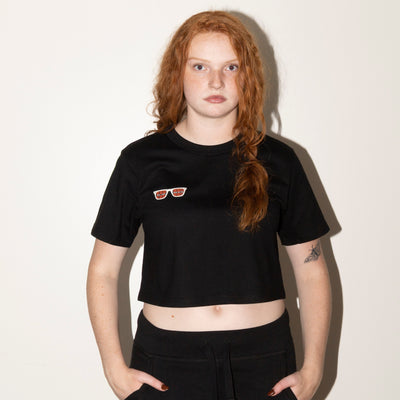
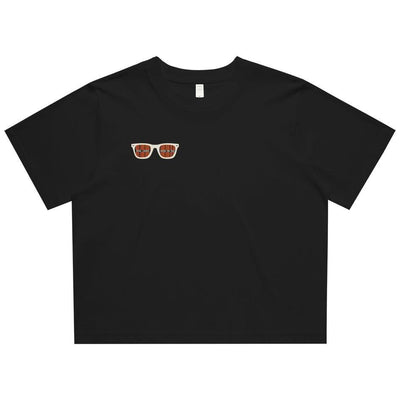
Noise-canceling headphones aren't a crutch. Sunglasses indoors aren't drama. Leaving a party two hours earlier than everyone else isn't antisocial. These are tools for a nervous system managing a real threshold — not exaggerations, not preferences for their own sake.
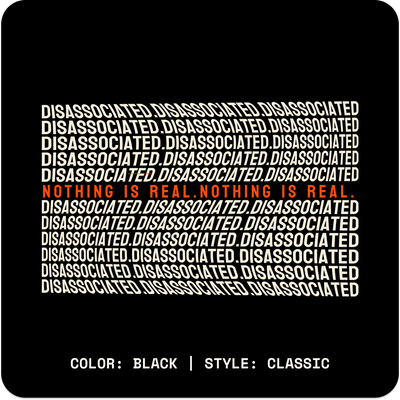
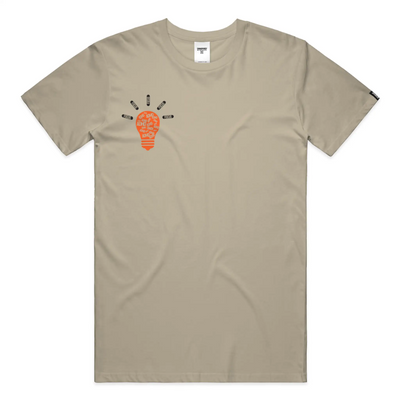
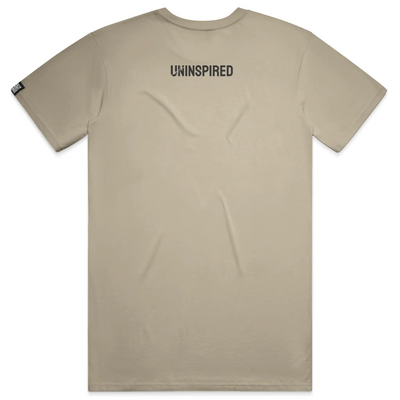
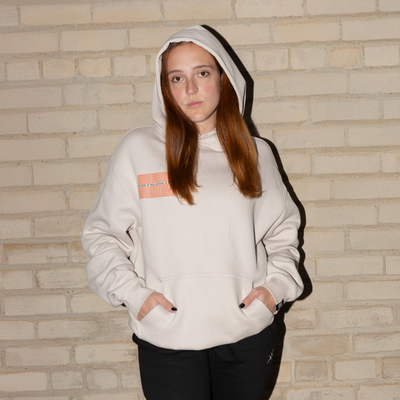
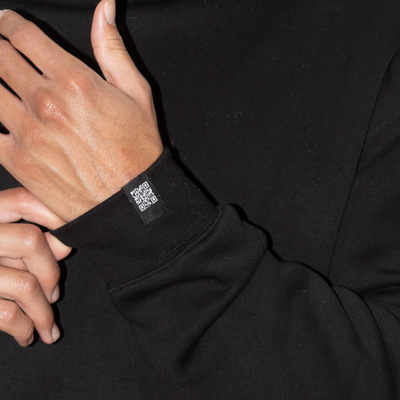
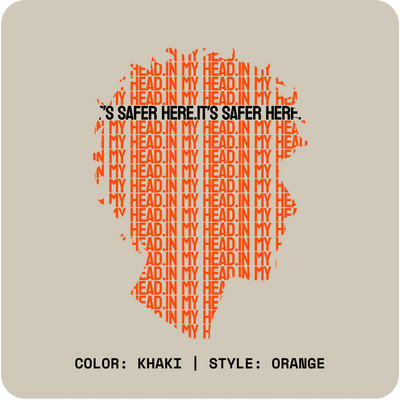
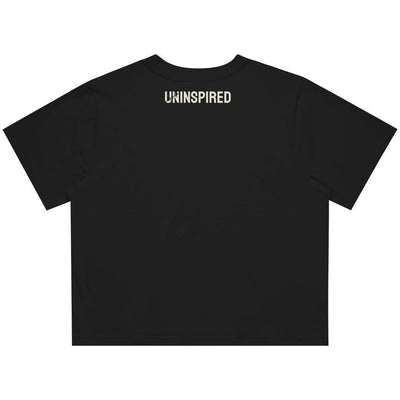
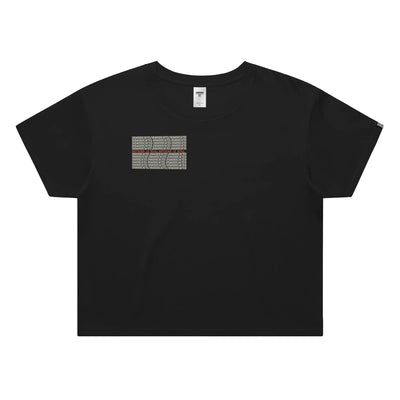
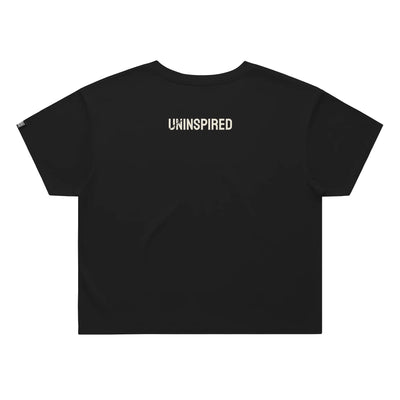
UNINSPIRED makes clothing for the ones who can't turn the volume down. The Overstimulated collection names it exactly. Scan the sleeve.