Not a Statistic: Reclaiming Your Identity From a Diagnosis

For the ones who got a diagnosis and spent the next year trying to figure out if they were the diagnosis or just had it.

For the ones who felt relief and grief at the same time when the label arrived.

For the ones who are more than the checkbox on the intake form.


A Diagnosis Is Information, Not a Definition

When a diagnosis lands, it comes with a lot of things attached. A name. A set of criteria. Statistics about prevalence, outcomes, and likelihood. A category you now belong to that previously belonged to other people.

And for a while — sometimes a long while — it can feel like the diagnosis is the explanation for everything. Like all the things that were confusing about you finally have a source. Like you've been solved.

The relief of that is real. So is what comes after it, when you start to notice that the label doesn't quite cover you. That the diagnostic criteria describe some of you, but not all of you. That you are more complicated than the definition, more specific than the category, more individual than the statistic suggests.

A diagnosis tells you what patterns are present. It doesn't tell you who you are.


What It Means to Be Reduced to a Label

One of the less-discussed costs of diagnosis is how quickly other people start to use it as a complete explanation for you.

Once people know you have ADHD, every moment of forgetting becomes an ADHD moment. Every emotional response becomes a symptom. Every struggle becomes evidence of the diagnosis rather than evidence of a person navigating a hard thing. The label replaces the question mark with a period. They think they understand now. They stop looking.

This is the reduction: being seen through the lens of the diagnosis rather than in spite of it. Having the most complex parts of your experience collapsed into a category that other people already think they understand.

You are not a case study. You are not a diagnostic profile. You are a person who happens to have a diagnosis, and the person part is primary.


Reclaiming Identity From a Diagnosis

Reclaiming your identity from a diagnosis doesn't mean rejecting the diagnosis. It means refusing to let the diagnosis be the whole story.

It means holding the information — the patterns, the tendencies, the neurology — while also holding all the things the diagnosis doesn't account for. Your specific history. Your particular way of seeing things. The things you're good at that the diagnostic criteria didn't list. The things you struggle with that aren't in the official symptom set. The ways you don't fit the category neatly, which isn't a failure of fit — it's a fact of individual complexity.

Reclaiming also means deciding which parts of the label to wear and which to leave behind. Some people with ADHD reclaim the term entirely — wear it as identity, as community, as explanation. Some prefer to hold it clinically and keep it separate from how they understand themselves. Both are valid. The point is that you decide what the label means for your life, not the other way around.


The Statistics Don't Know You

Statistics describe populations. They say: among a group of people with this diagnosis, X percentage experience Y outcome.

They say nothing about you specifically. They describe the average of a group you belong to, not the particular shape of your life. The statistic that says people with your diagnosis are twice as likely to struggle with Z doesn't mean you will. It means it's worth knowing about. It's information for navigation, not a prediction for your future.

The medical system, by necessity, works in categories and probabilities. It has to — it's treating large numbers of people and needs generalizable information to do that. But you are not a large number of people. You are one person. And one person always exceeds the category.


For the ones who are more than the diagnosis, more than the statistic, more than the label someone put on you at twenty-two or eight or forty — you already knew this. Now you have words for it.


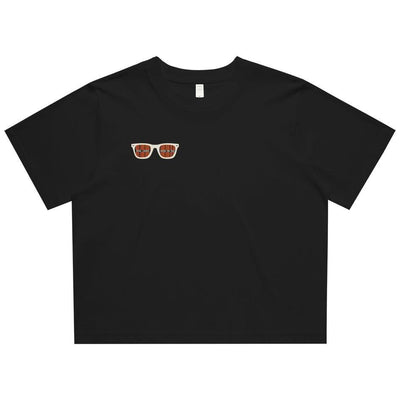
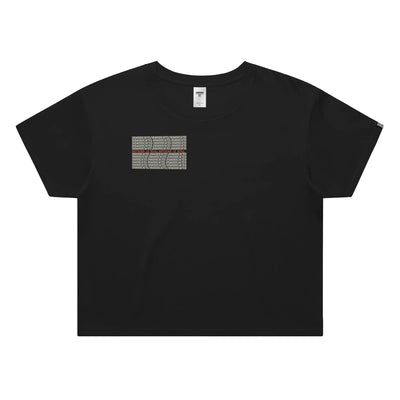
UNINSPIRED makes clothing for the ones who refuse to be reduced. The Not a Statistic hoodie says what you've always known about yourself. Scan the sleeve.

Not a Statistic: Reclaiming Your Identity From a Diagnosis

For the ones who got a diagnosis and spent the next year trying to figure out if they were the diagnosis or just had it.

For the ones who felt relief and grief at the same time when the label arrived.

For the ones who are more than the checkbox on the intake form.


A Diagnosis Is Information, Not a Definition

When a diagnosis lands, it comes with a lot of things attached. A name. A set of criteria. Statistics about prevalence, outcomes, and likelihood. A category you now belong to that previously belonged to other people.

And for a while — sometimes a long while — it can feel like the diagnosis is the explanation for everything. Like all the things that were confusing about you finally have a source. Like you've been solved.

The relief of that is real. So is what comes after it, when you start to notice that the label doesn't quite cover you. That the diagnostic criteria describe some of you, but not all of you. That you are more complicated than the definition, more specific than the category, more individual than the statistic suggests.

A diagnosis tells you what patterns are present. It doesn't tell you who you are.


What It Means to Be Reduced to a Label

One of the less-discussed costs of diagnosis is how quickly other people start to use it as a complete explanation for you.

Once people know you have ADHD, every moment of forgetting becomes an ADHD moment. Every emotional response becomes a symptom. Every struggle becomes evidence of the diagnosis rather than evidence of a person navigating a hard thing. The label replaces the question mark with a period. They think they understand now. They stop looking.

This is the reduction: being seen through the lens of the diagnosis rather than in spite of it. Having the most complex parts of your experience collapsed into a category that other people already think they understand.

You are not a case study. You are not a diagnostic profile. You are a person who happens to have a diagnosis, and the person part is primary.


Reclaiming Identity From a Diagnosis

Reclaiming your identity from a diagnosis doesn't mean rejecting the diagnosis. It means refusing to let the diagnosis be the whole story.

It means holding the information — the patterns, the tendencies, the neurology — while also holding all the things the diagnosis doesn't account for. Your specific history. Your particular way of seeing things. The things you're good at that the diagnostic criteria didn't list. The things you struggle with that aren't in the official symptom set. The ways you don't fit the category neatly, which isn't a failure of fit — it's a fact of individual complexity.

Reclaiming also means deciding which parts of the label to wear and which to leave behind. Some people with ADHD reclaim the term entirely — wear it as identity, as community, as explanation. Some prefer to hold it clinically and keep it separate from how they understand themselves. Both are valid. The point is that you decide what the label means for your life, not the other way around.


The Statistics Don't Know You

Statistics describe populations. They say: among a group of people with this diagnosis, X percentage experience Y outcome.

They say nothing about you specifically. They describe the average of a group you belong to, not the particular shape of your life. The statistic that says people with your diagnosis are twice as likely to struggle with Z doesn't mean you will. It means it's worth knowing about. It's information for navigation, not a prediction for your future.

The medical system, by necessity, works in categories and probabilities. It has to — it's treating large numbers of people and needs generalizable information to do that. But you are not a large number of people. You are one person. And one person always exceeds the category.


For the ones who are more than the diagnosis, more than the statistic, more than the label someone put on you at twenty-two or eight or forty — you already knew this. Now you have words for it.


UNINSPIRED makes clothing for the ones who refuse to be reduced. The Not a Statistic hoodie says what you've always known about yourself. Scan the sleeve.


0 comments

Leave a comment

Please note, comments must be approved before they are published

Favorites

Our most popular looks of the season

Relevant Product