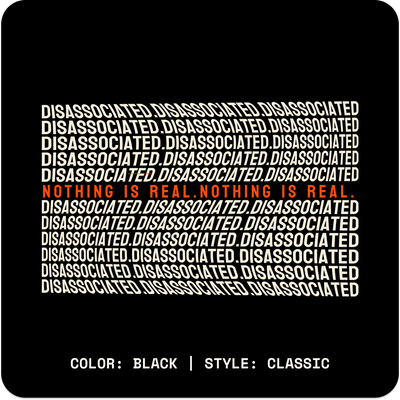
For the ones who are great at seeming fine and have no idea what fine actually feels like anymore.
For the ones who perform competence so consistently they've forgotten which parts are performance.
For the ones who are exhausted from a job no one knows they have.
What masking actually is
Masking is the practice — usually unconscious and always energy-intensive — of concealing neurodivergent traits in order to appear neurotypical. It's the work of performing a version of yourself that fits the expected template: making eye contact on schedule, suppressing stimming behaviors, producing the right social responses at the right moments, tracking conversation cues that don't come naturally and executing them anyway.
It's most documented in autistic people, but it appears across the neurodivergent spectrum — ADHD, sensory processing differences, dyslexia, and others. It also appears in anyone who learned early that their natural way of being in the world was going to create friction, and developed an alternative version to present instead.
Where it gets learned
Masking is rarely a deliberate decision. It's a gradual adaptation — a series of observations and calibrations made over years, usually beginning in childhood.
The child who notices that rocking is drawing attention and stops, even though rocking helped. The teenager who scripts social interactions in advance to reduce the risk of the wrong response. The adult who has watched enough people and situations to know what "normal" looks like here — and reproduces it, on demand, in most rooms they enter.
It gets learned because the alternative — being visibly different — produced real consequences. Social exclusion. Judgment. Correction. Sometimes cruelty. The mask wasn't chosen. It was constructed in response to a clear signal that the unmasked version was not welcome.
What masking costs
The performance is expensive. It requires continuous monitoring — of self, of room, of what's expected, of what the gap is between what would come naturally and what needs to come out instead. That monitoring runs constantly, in the background, consuming cognitive and emotional resources that would otherwise be available for the actual task at hand.
The social event that neurotypical people find tiring, masking people find depleting. Not because they're more introverted or more sensitive, but because they're running two processes simultaneously: participating and performing. The conversation and the assessment of whether they're doing the conversation correctly.
Long-term masking produces a specific kind of burnout — autistic burnout, which is distinct from general exhaustion and characterized by a regression in functioning, a loss of previously managed skills, and an inability to sustain the mask that had been sustainable before. It arrives after a sustained period of demand that exceeded available resources. The demand was invisible. The burnout often looks mysterious to everyone outside.
The identity question
One of the most disorienting long-term effects of masking is what it does to self-knowledge.
When you've been performing a version of yourself for long enough, the line between the performance and the person becomes genuinely blurry. Which preferences are yours? Which reactions are authentic versus calibrated? Which aspects of your personality developed naturally and which developed as adaptations to make the mask more convincing?
Late-diagnosed neurodivergent people often report this as one of the hardest parts of diagnosis — not the diagnosis itself, but the inventory it prompts. If I've been doing this for thirty years, which parts of me are actually me?
The answer is complicated. The mask and the person are not fully separable — the adaptations became real, the performance became practiced enough to be genuine in some ways. But underneath it, usually, are preferences and responses and ways of being in the world that were always there and were never given full room.
Why people don't just stop
Because the consequences of unmasking are real. In workplaces that weren't designed for neurodivergent people. In social contexts where difference still creates friction. In relationships built on the masked version of someone who doesn't yet know how to introduce the unmasked version without disrupting everything.
The mask was built in response to something. That something doesn't always change just because you've named it. Unmasking is a gradual process, usually done selectively — finding the contexts where it's safe, building tolerance for being seen differently, and slowly expanding the range of rooms where the unmasked version is allowed to be present.
What not-masking feels like
For people who have masked consistently for years, dropping the mask — even briefly, even partially — is often described as a specific kind of relief that didn't have a name before.
The absence of the monitoring. The absence of the performance overhead. The ability to occupy a room without running the parallel calculation of whether you're doing it right.
That relief is information. It tells you how much the mask was costing — in the difference between what a room feels like with it and without it. And in some cases, it's the first evidence someone has that the thing they've been carrying is actually a weight.
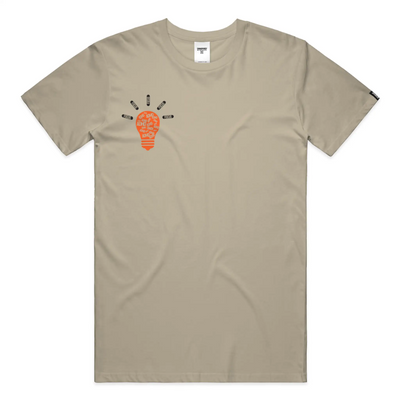
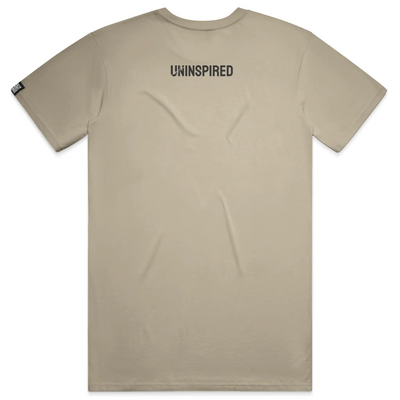
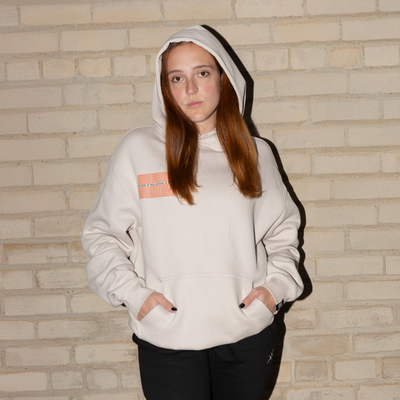
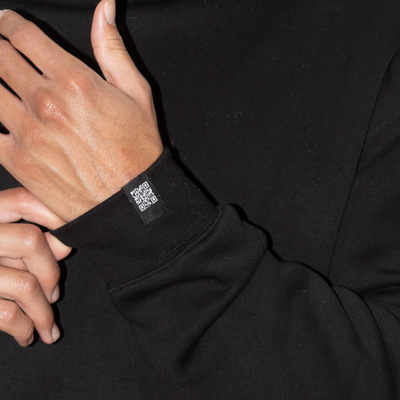
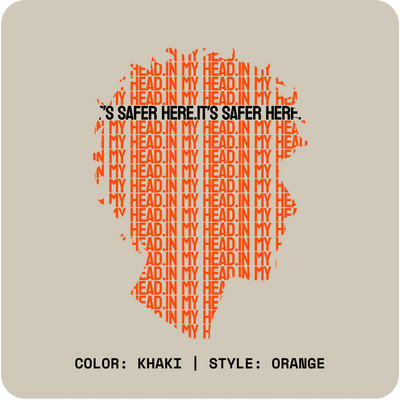
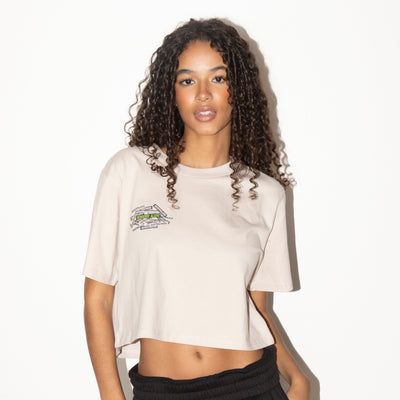
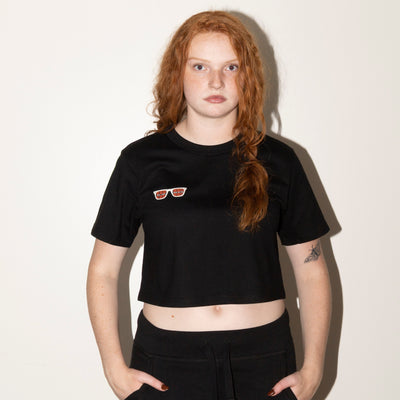
UNINSPIRED makes clothing for the ones who are tired of performing. The Neurodivergent collection doesn't ask you to pretend. Scan the sleeve.