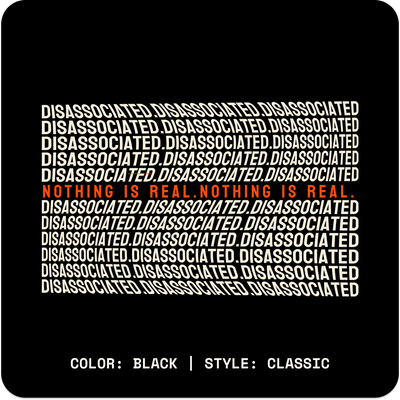
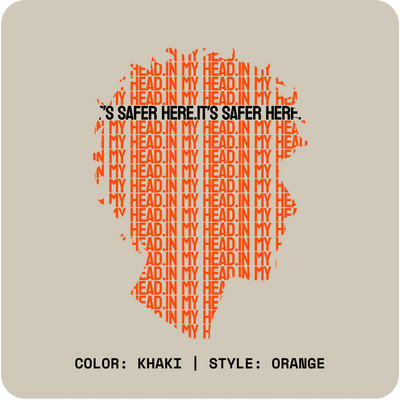
For the ones who read a description at 24 or 31 or 38 and felt something shift into place that they didn't know was out of place.
For the ones who spent decades building workarounds for something that had a name the whole time.
For the ones who feel something complicated about the diagnosis — relief, grief, anger, all of it at once.
What a Late Diagnosis Actually Is
A late diagnosis of ADHD or autism — or both — is a diagnosis that arrives in adulthood. For many people, this means their twenties. For others, their thirties, forties, or later. It arrives after years — sometimes decades — of navigating a world that was configured for a brain type you didn't have, without knowing that was what you were doing.
Late diagnoses have become more common in recent years, particularly for people who were historically underdiagnosed: women, girls, people of color, and people whose presentation didn't match the narrow prototype that early diagnostic criteria were built around. ADHD was largely understood through the presentation of hyperactive young boys. Autism was largely studied in male populations. The profiles that didn't match — the inattentive, the internally chaotic, the ones who masked effectively — passed through childhood without a name.
Many of them are getting that name now.
The Grief That Comes With Relief
The first thing most people expect from a late diagnosis is relief. And relief does come — often quickly, often intensely. The pieces fit. The history makes sense. The pattern you've been trying to decode for years suddenly has a shape.
But alongside the relief, something else tends to arrive: grief. And it's worth naming, because people don't always expect it and don't always have language for it when it shows up.
The grief is for the version of events you've been carrying. The years of believing you were lazy when you were dysregulated. Careless when you were overwhelmed. Too sensitive when you were processing more than the people around you. Difficult when you were in environments that were genuinely difficult for your brain. The diagnosis doesn't just explain what's happening now. It retroactively reframes everything that came before.
That reframing is useful. It's also a loss. You've been carrying a story for a long time — a story about what kind of person you are, what your deficiencies mean, what you've been doing wrong. Releasing that story is relief and grief at the same time.
The Anger That's Also Valid
There's often anger in there too. Anger that nobody caught it sooner. That the symptoms were visible, that you struggled consistently and visibly, and the support that could have changed things wasn't there. That the diagnostic systems were built for someone else and you paid the cost of that. That teachers and parents and systems around you read your struggles as character failures and responded accordingly.
The anger is not a phase to move through. It's information about real gaps — in diagnostic frameworks, in who got screened, in what support was available. It's allowed.
The Identity Question
A late diagnosis often arrives in the middle of an already-formed adult identity. You've built a self. You have an explanation for why you are the way you are — and that explanation is about to change significantly.
The first question: how much of what I thought was personality is actually neurodivergence? How much of my sense of humor, my intensity, my particular way of relating to people and ideas — is that me, or is that ADHD? The question itself contains a false binary. It's both. Neurodivergence isn't a layer over top of the person. It's part of how the person is built. Your brain's wiring isn't separate from you — it's been shaping your experience your entire life. The traits aren't not you. They're very much you.
The second question: what does this change? And the honest answer is: some things. Not everything. The diagnosis is information. It opens doors to support, to understanding, to explaining yourself differently if you choose to. It doesn't rewrite who you are. It rewrites some of the stories you've told about who you are.
The Workarounds You Built
One of the consistent features of undiagnosed ADHD and autism in high-functioning people is an elaborate system of compensatory strategies — workarounds developed over years to manage the gap between how your brain works and how the world expects it to work. The lists that are three times as long as they need to be. The routines that take more effort to maintain than it seems like they should. The social scripts. The preparation. The constant monitoring.
Post-diagnosis, those workarounds often make much more sense. And the exhaustion involved in maintaining them finally has a context: you've been running extra software this whole time. The fact that you've been keeping up while also doing all of that is not nothing. It's actually significant. The achievement looks different when you account for the overhead.
What Changes and What Doesn't
The diagnosis doesn't fix anything structurally. Your brain works the way it works. The systems around you are largely still configured for a different brain type. The practical challenges don't disappear.
What changes is the interpretation. The framework. The story. You're not someone who keeps failing at normal things. You're someone who's been doing things with a brain that works differently — and has been doing them without the tools, accommodations, or understanding that could have made any of it easier.
What also changes: what support you can access, what you can ask for, what language you have for your experience. And the permission — for many people — to stop trying to be someone whose brain is configured differently than yours is.
UNINSPIRED makes clothing for the ones who finally have the word for it. The Neurodivergent collection is for the ones whose brain runs different — diagnosed, undiagnosed, or still figuring it out. Scan the sleeve.