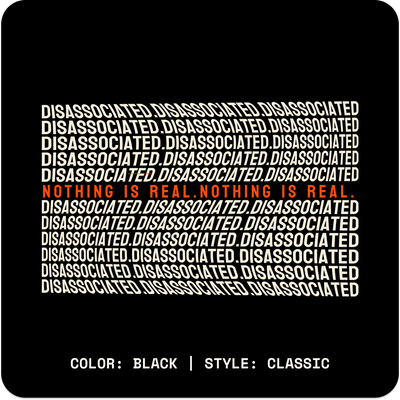
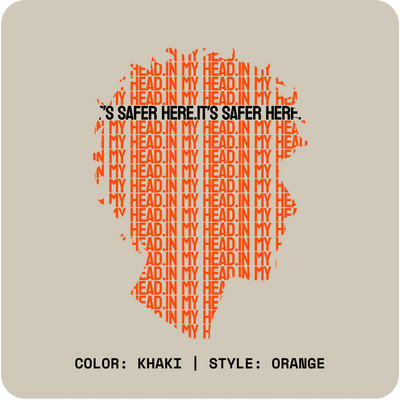
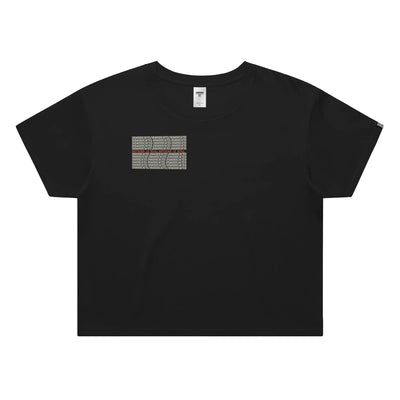
For the ones who have said "I'm fine" more today than they've told the truth.
For the ones who say it so automatically they've stopped noticing what they're covering.
For the ones who know exactly what's underneath it — and have decided, correctly, that this is not the place.
What "I'm Fine" Is Actually Doing
"I'm fine" is one of the most overloaded phrases in the language. On the surface: a status update. A social response. An answer to "how are you" that keeps the interaction moving and everyone comfortable.
Underneath: something significantly more complicated. "I'm fine" is an assessment — of the situation, of the person asking, of the cost of honesty in this particular moment. It's a calculation, often unconscious, that runs through: is this person actually asking? Do I have the time and energy to answer truthfully? Would the true answer serve anything here? Is this a space where the real answer is safe? Does this person have the capacity to receive what's actually going on?
Most of the time, the answer to most of those questions is no. So you say fine. And you mean: not fine, but not in a way this moment can hold. Not in a way this person is equipped to respond to. Not in a way that doesn't require more than I have right now. Fine means: functional. Fine means: not collapsing visibly. Fine means: let's move on.
Why We Say It
Because the alternative is complicated and the question was often not a genuine one. "How are you" is, in most social contexts, a greeting ritual — not a genuine inquiry. The expected response is a variation of fine. Anything else creates a disruption. A pause. An obligation. The person asking has to decide whether to engage with what you've said or navigate back to comfortable.
Most people are not equipped for the real answer, and you've learned to read that. The person passing you in the hall. The acquaintance at the event. Even sometimes the friend who asked while clearly distracted. Fine is a social lubricant. It keeps things moving. It requires nothing.
There's also protection in it. Saying you're not fine puts something out into the open. It makes you visible in a way that's vulnerable. And vulnerable has costs — particularly in environments, professional or otherwise, where visible struggle is read as weakness, incapability, or instability. Fine keeps the armor on.
The Taxonomy of Fine
Fine covers a lot of territory. There's the fine that's true — genuinely neutral, no particular charge either way, the fine that's just fine. That one is underrated.
There's the fine that means: I'm managing. Functional. Getting through the day. Not great, not falling apart. This one is honest in its way.
There's the fine that means: I'm not going to talk about this here. A deliberate decision. This one is also honest — it's a limit, stated indirectly. Not dishonesty. Triage.
There's the fine that means: I don't have the language for what's going on, or I don't trust that language would help, or I've been not-fine for long enough that explaining it feels like more work than it's worth.
And there's the fine that means: I'm actually not okay and I need someone to ask again differently. This one is the loneliest one. The one where the word is a test and the other person doesn't know they're taking it.
The Cost of Chronic Fine
When fine becomes your default — when it's not a situational assessment but a permanent setting — something gradually disappears. The access to your own internal state. The habit of noticing what's actually happening. The expectation that what's happening is worth saying out loud.
Fine trains you to skip the middle step — the one where you check in with yourself before answering. You stop registering what you feel before converting it to the socially acceptable version. The gap between what you're experiencing and what you're reporting gets so well-maintained that you eventually lose access to what you're actually experiencing.
You can reach a point where you say "I'm fine" and genuinely don't know anymore if it's true. Not because you're lying. Because you've stopped checking.
The People Who Get a Different Answer
Not everyone gets fine. There are people — usually a small number — who get the real answer. Who've earned it through consistent presence, through actually asking in a way that means asking, through being safe with what you've handed them before.
The contrast is illuminating. You know the difference between telling someone you're fine and having someone you trust ask how you actually are. The fine melts a little. Something shifts in how you hold yourself. The armor doesn't need to be on.
What those relationships have in common: the person on the other side can hold what you actually say. They won't panic. They won't make it about themselves. They won't offer solutions you didn't ask for. They can just receive it — which is what "how are you" actually requires when it's genuine.
What Fine Is Protecting
Usually: the person you actually are, in the state you're actually in, from environments and people who haven't demonstrated they can hold that safely. Fine is armor. Not dishonesty — armor. And armor exists because exposure has costs.
The question isn't whether to stop saying fine. The question is knowing when you're saying it as triage and when you're saying it as the only available option because you haven't found the spaces where something else is possible.
Those spaces are worth looking for. They're also worth building. Starting with who you let in when the armor comes down.
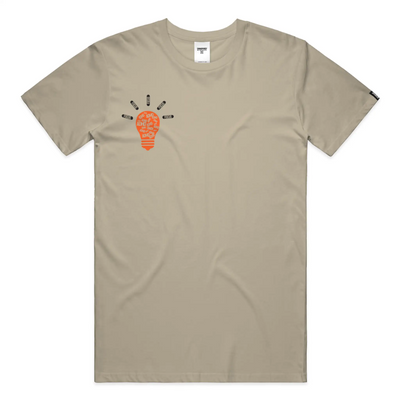
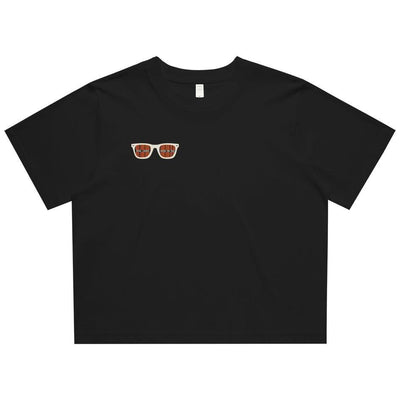
UNINSPIRED makes clothing for the ones who know exactly what they mean when they say it. The I'm Fine collection is for the ones saying it while they carry the thing they're not saying. Scan the sleeve.