I'll Disown You If: On the Threats Families Use and What They Actually Mean

For the ones who grew up knowing — at some level, early — that love was available on conditions they hadn't been allowed to see yet.

For the ones who made choices based on a threat they never stopped carrying.

For the ones who eventually stopped trying to fulfill the conditions and had to figure out what was left.


What the Threat Is Actually Saying

"I'll disown you if."

If you come out. If you marry that person. If you leave. If you choose that career. If you stop going to church. If you don't come home. If you tell the truth about what happened.

The conditions vary. The mechanism is the same: the relationship — the family, the belonging, the love — is being placed on one side of a transaction. On the other side is your compliance. Your silence. Your choice to be who they need you to be instead of who you are.

This is conditional love made explicit. Most families who operate on conditional love never say the condition out loud. This one says it.


What It Does Over Time

A threat like this doesn't just affect the immediate decision. It becomes a framework.

You start making choices in relation to the threat before you're even conscious of doing it. You stay in the geography. You perform certain conversations. You leave out the parts of yourself that would activate it. You build a version of yourself that's small enough to fit inside the conditions — and you live in that version for so long that you sometimes forget the rest of you exists.

The threat also makes the relationship feel contingent in a way that healthy attachments don't. When someone loves you without condition, you can make mistakes, disagree, disappoint them, and the relationship survives. When someone loves you contingently, every significant choice carries the weight of potentially ending everything. That weight is not nothing. It accumulates.


The Part That Stays Even After You Leave

For a lot of people, the threat follows them even after they've stopped trying to fulfill the conditions.

They come out, or they marry the wrong person, or they leave — and the relationship changes or ends. And the grief of that is real, even when the leaving was the right thing. Even when the condition being imposed was unjust. Even when the relationship under those conditions was already a kind of absence.

Grieving the family you needed and didn't have is different from grieving the family you had. It's grieving a shape that was never filled — the conditional love that came with the package, and the unconditional kind that wasn't available.

Both of those losses are real.


What You Do With Someone Else's Conditions

You don't have to meet them. That's the part that's hard to believe when the conditions were installed early enough.

The threat "I'll disown you if" is built on an assumption: that your belonging to the family is worth more than whatever you'd have to give up to keep it. That the relationship — on its existing terms — is worth conforming to.

For some people, in some relationships, that calculation holds. They choose the family. That's a valid choice.

For others, the calculation eventually reverses. The cost of the conditions exceeds the value of the relationship as it actually exists. The version of themselves they'd have to maintain is a person they can no longer stand to be.

That reversal is not betrayal. It's arithmetic.


What the Hoodie Is Saying

Not defiance exactly. Not a door slamming.

More like: I know what you said. I know what it cost me. And I'm still here — wearing it, saying it out loud, which means the threat didn't work the way it was supposed to.

The ones who've heard this sentence know what it holds. The weight of it. The years organized around it. The moment it stopped being the thing that organized them.

They don't need it explained. They just need to see it named.


For the ones who were handed conditions before they were old enough to know you could refuse them — you can refuse them. You already knew that. You've just been working up to it.


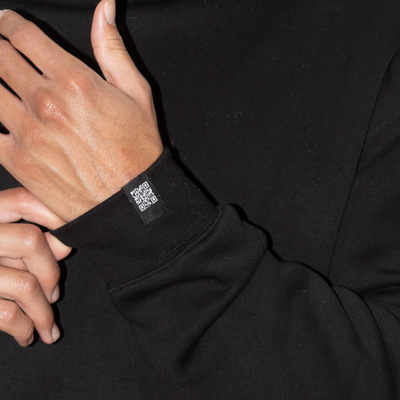
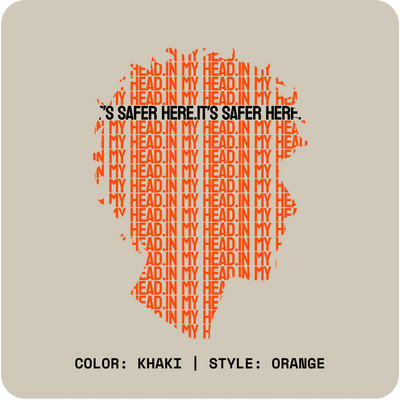
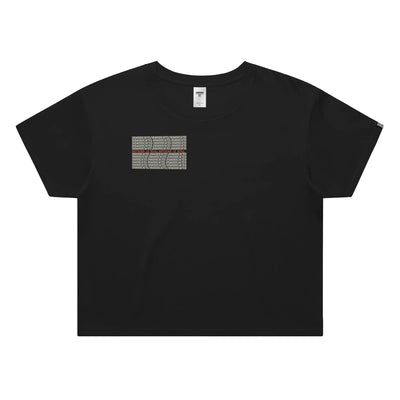
UNINSPIRED makes clothing for the ones done organizing their lives around other people's conditions. The I'll Disown You If hoodie says the threat out loud. Scan the sleeve.

I'll Disown You If: On the Threats Families Use and What They Actually Mean

For the ones who grew up knowing — at some level, early — that love was available on conditions they hadn't been allowed to see yet.

For the ones who made choices based on a threat they never stopped carrying.

For the ones who eventually stopped trying to fulfill the conditions and had to figure out what was left.


What the Threat Is Actually Saying

"I'll disown you if."

If you come out. If you marry that person. If you leave. If you choose that career. If you stop going to church. If you don't come home. If you tell the truth about what happened.

The conditions vary. The mechanism is the same: the relationship — the family, the belonging, the love — is being placed on one side of a transaction. On the other side is your compliance. Your silence. Your choice to be who they need you to be instead of who you are.

This is conditional love made explicit. Most families who operate on conditional love never say the condition out loud. This one says it.


What It Does Over Time

A threat like this doesn't just affect the immediate decision. It becomes a framework.

You start making choices in relation to the threat before you're even conscious of doing it. You stay in the geography. You perform certain conversations. You leave out the parts of yourself that would activate it. You build a version of yourself that's small enough to fit inside the conditions — and you live in that version for so long that you sometimes forget the rest of you exists.

The threat also makes the relationship feel contingent in a way that healthy attachments don't. When someone loves you without condition, you can make mistakes, disagree, disappoint them, and the relationship survives. When someone loves you contingently, every significant choice carries the weight of potentially ending everything. That weight is not nothing. It accumulates.


The Part That Stays Even After You Leave

For a lot of people, the threat follows them even after they've stopped trying to fulfill the conditions.

They come out, or they marry the wrong person, or they leave — and the relationship changes or ends. And the grief of that is real, even when the leaving was the right thing. Even when the condition being imposed was unjust. Even when the relationship under those conditions was already a kind of absence.

Grieving the family you needed and didn't have is different from grieving the family you had. It's grieving a shape that was never filled — the conditional love that came with the package, and the unconditional kind that wasn't available.

Both of those losses are real.


What You Do With Someone Else's Conditions

You don't have to meet them. That's the part that's hard to believe when the conditions were installed early enough.

The threat "I'll disown you if" is built on an assumption: that your belonging to the family is worth more than whatever you'd have to give up to keep it. That the relationship — on its existing terms — is worth conforming to.

For some people, in some relationships, that calculation holds. They choose the family. That's a valid choice.

For others, the calculation eventually reverses. The cost of the conditions exceeds the value of the relationship as it actually exists. The version of themselves they'd have to maintain is a person they can no longer stand to be.

That reversal is not betrayal. It's arithmetic.


What the Hoodie Is Saying

Not defiance exactly. Not a door slamming.

More like: I know what you said. I know what it cost me. And I'm still here — wearing it, saying it out loud, which means the threat didn't work the way it was supposed to.

The ones who've heard this sentence know what it holds. The weight of it. The years organized around it. The moment it stopped being the thing that organized them.

They don't need it explained. They just need to see it named.


For the ones who were handed conditions before they were old enough to know you could refuse them — you can refuse them. You already knew that. You've just been working up to it.


UNINSPIRED makes clothing for the ones done organizing their lives around other people's conditions. The I'll Disown You If hoodie says the threat out loud. Scan the sleeve.


0 comments

Leave a comment

Please note, comments must be approved before they are published

Favorites

Our most popular looks of the season

Relevant Product