Hypervigilance: When Your Nervous System Won't Stop Scanning for Threats

For the ones who notice exits when they walk into a room.

For the ones who can hear a shift in someone's tone from across a building.

For the ones who are always braced — even when there's nothing to brace for.

What Hypervigilance Is

Hypervigilance is a state of heightened alertness in which the nervous system is continuously scanning the environment for threats — real or potential. The radar is always on. The background process running at all times is: what's different? what's off? what do I need to be ready for?

It's most commonly associated with trauma and PTSD, but it also appears in anxiety disorders, and in people who grew up in environments where being alert was genuinely necessary for safety. The nervous system learned, at some point, that inattentiveness had costs. That you couldn't afford to not notice. That missing something could mean getting hurt.

So it never stopped noticing. Even when the environment changed. Even when the threat that originally trained the system is no longer present. The scan keeps running because the system was never told it was safe to stop.

What It Actually Feels Like

Not paranoia. Not irrationality. From the inside, hypervigilance often just feels like being switched on. Aware. Attentive. You notice things other people miss. You read rooms and people and situations with speed and precision. You anticipate problems. You're rarely caught completely off guard.

The cost: you're exhausted. Because the scanning is running constantly. In safe situations, in neutral situations, in situations with people you trust. The system doesn't know how to downregulate for context. It maintains the same level of alert everywhere because it was trained to maintain alert everywhere.

The physical experience: chronically elevated baseline arousal. Muscles that hold tension without your awareness. A startle response that fires at small, innocuous noises. Difficulty sleeping — the system stays activated because activating while asleep could theoretically cost you. Racing heart in situations that don't have clear external stakes. The body running a state of readiness that doesn't match the current environment.

Where It Comes From

Usually: an environment or period in which being alert was genuinely protective. Childhood in a household where someone's mood could shift without warning and the consequences of not reading that shift were real. A relationship where you needed to track the other person's emotional state to keep yourself safe. A series of experiences that trained the nervous system to treat uncertainty as danger and inattentiveness as risk.

Trauma is one pathway. So is chronic stress. So is growing up in unpredictable environments where the rules kept changing and safety was inconsistent. The nervous system is adaptive — it updates to its environment. Hypervigilance is what happens when the environment taught it that the world requires this level of alertness to navigate.

The problem: the nervous system often doesn't update back down when the environment improves. The high-alert setting was installed for good reason. Removing it requires evidence that the new environment is actually different — and sustained, lived evidence, not just cognitive knowledge that things are safer now.

What It Looks Like in Daily Life

Hypervigilance shapes behavior in ways that aren't always visible as hypervigilance from the outside. The person who always sits facing the door. Who reads micro-expressions with accuracy that unnerves people. Who knows when something is wrong before anyone has said anything. Who is never fully relaxed — even in situations that seem objectively fine.

It also shapes internal experience: difficulty being fully present in the moment, because part of the attention is always elsewhere — monitoring, assessing, preparing. Difficulty genuinely relaxing, because relaxation feels like dropping your guard. Difficulty with surprise — the nervous system experiences even positive surprises as threat activation, because something happened that you didn't anticipate.

And it creates a kind of loneliness. Being perpetually on alert, in rooms full of people who are off their guard, creates distance. They're in the experience. You're in the experience while also monitoring the experience. It's a different position — one that's often invisible to everyone around you.

Why It's Not Just Anxiety

Anxiety and hypervigilance overlap significantly, but they're not identical. Anxiety is a state of apprehension about a future threat. Hypervigilance is a state of active monitoring for current threats. Anxiety can exist without hypervigilance. Hypervigilance is often associated with trauma responses in ways that pure anxiety disorders are not.

The distinction matters for how you approach it. Anxiety interventions — cognitive restructuring, challenging the likelihood of feared outcomes — don't fully address hypervigilance because the problem isn't irrational beliefs about threat probability. It's a nervous system that has been trained to operate at a specific activation level regardless of rational assessment. The brain knows things are probably fine. The body doesn't adjust for that.

Nervous system regulation approaches — somatic work, trauma-focused therapy, building a sustained felt sense of safety over time — address hypervigilance differently. Not by arguing with the threat assessment. By creating the conditions under which the nervous system can actually learn that different behavior is possible.

What Helps

Evidence of safety. Not the cognitive argument that you're safe — the lived, repeated, bodily experience of being in environments and relationships that are actually safe, consistently, over time. The nervous system updates on experience. It needs evidence, not reassurance.

Building nervous system flexibility. The capacity to come down from alert, even briefly. Practices that create genuine physiological downregulation — not just distraction or suppression, but actual shifts in the autonomic state. This is slow work. The system was calibrated over a long time. Recalibrating it happens incrementally.

Support from people who understand the somatic dimension. Not just therapists who work with cognition, but those who work with the body's role in maintaining threat response. The felt sense of safety is stored in the body. That's also where it needs to be rebuilt.

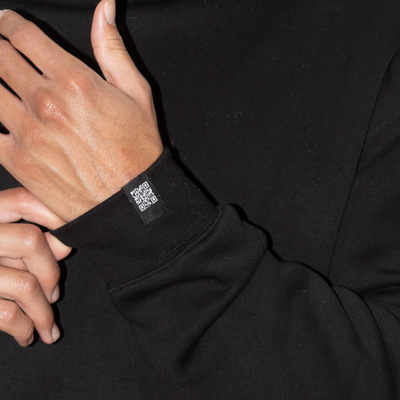
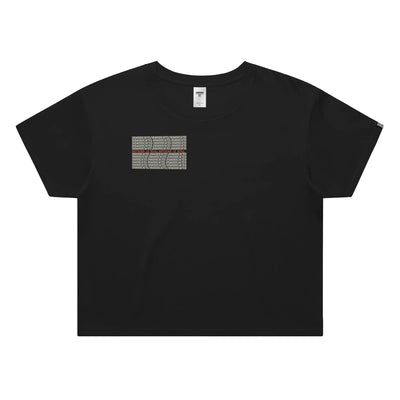
UNINSPIRED makes clothing for the ones who've been scanning the room so long they've forgotten what it's like to just be in it. The Am I Okay collection is for the ones still figuring out if it's safe to put it down. Scan the sleeve.

Hypervigilance: When Your Nervous System Won't Stop Scanning for Threats

For the ones who notice exits when they walk into a room.

For the ones who can hear a shift in someone's tone from across a building.

For the ones who are always braced — even when there's nothing to brace for.

What Hypervigilance Is

Hypervigilance is a state of heightened alertness in which the nervous system is continuously scanning the environment for threats — real or potential. The radar is always on. The background process running at all times is: what's different? what's off? what do I need to be ready for?

It's most commonly associated with trauma and PTSD, but it also appears in anxiety disorders, and in people who grew up in environments where being alert was genuinely necessary for safety. The nervous system learned, at some point, that inattentiveness had costs. That you couldn't afford to not notice. That missing something could mean getting hurt.

So it never stopped noticing. Even when the environment changed. Even when the threat that originally trained the system is no longer present. The scan keeps running because the system was never told it was safe to stop.

What It Actually Feels Like

Not paranoia. Not irrationality. From the inside, hypervigilance often just feels like being switched on. Aware. Attentive. You notice things other people miss. You read rooms and people and situations with speed and precision. You anticipate problems. You're rarely caught completely off guard.

The cost: you're exhausted. Because the scanning is running constantly. In safe situations, in neutral situations, in situations with people you trust. The system doesn't know how to downregulate for context. It maintains the same level of alert everywhere because it was trained to maintain alert everywhere.

The physical experience: chronically elevated baseline arousal. Muscles that hold tension without your awareness. A startle response that fires at small, innocuous noises. Difficulty sleeping — the system stays activated because activating while asleep could theoretically cost you. Racing heart in situations that don't have clear external stakes. The body running a state of readiness that doesn't match the current environment.

Where It Comes From

Usually: an environment or period in which being alert was genuinely protective. Childhood in a household where someone's mood could shift without warning and the consequences of not reading that shift were real. A relationship where you needed to track the other person's emotional state to keep yourself safe. A series of experiences that trained the nervous system to treat uncertainty as danger and inattentiveness as risk.

Trauma is one pathway. So is chronic stress. So is growing up in unpredictable environments where the rules kept changing and safety was inconsistent. The nervous system is adaptive — it updates to its environment. Hypervigilance is what happens when the environment taught it that the world requires this level of alertness to navigate.

The problem: the nervous system often doesn't update back down when the environment improves. The high-alert setting was installed for good reason. Removing it requires evidence that the new environment is actually different — and sustained, lived evidence, not just cognitive knowledge that things are safer now.

What It Looks Like in Daily Life

Hypervigilance shapes behavior in ways that aren't always visible as hypervigilance from the outside. The person who always sits facing the door. Who reads micro-expressions with accuracy that unnerves people. Who knows when something is wrong before anyone has said anything. Who is never fully relaxed — even in situations that seem objectively fine.

It also shapes internal experience: difficulty being fully present in the moment, because part of the attention is always elsewhere — monitoring, assessing, preparing. Difficulty genuinely relaxing, because relaxation feels like dropping your guard. Difficulty with surprise — the nervous system experiences even positive surprises as threat activation, because something happened that you didn't anticipate.

And it creates a kind of loneliness. Being perpetually on alert, in rooms full of people who are off their guard, creates distance. They're in the experience. You're in the experience while also monitoring the experience. It's a different position — one that's often invisible to everyone around you.

Why It's Not Just Anxiety

Anxiety and hypervigilance overlap significantly, but they're not identical. Anxiety is a state of apprehension about a future threat. Hypervigilance is a state of active monitoring for current threats. Anxiety can exist without hypervigilance. Hypervigilance is often associated with trauma responses in ways that pure anxiety disorders are not.

The distinction matters for how you approach it. Anxiety interventions — cognitive restructuring, challenging the likelihood of feared outcomes — don't fully address hypervigilance because the problem isn't irrational beliefs about threat probability. It's a nervous system that has been trained to operate at a specific activation level regardless of rational assessment. The brain knows things are probably fine. The body doesn't adjust for that.

Nervous system regulation approaches — somatic work, trauma-focused therapy, building a sustained felt sense of safety over time — address hypervigilance differently. Not by arguing with the threat assessment. By creating the conditions under which the nervous system can actually learn that different behavior is possible.

What Helps

Evidence of safety. Not the cognitive argument that you're safe — the lived, repeated, bodily experience of being in environments and relationships that are actually safe, consistently, over time. The nervous system updates on experience. It needs evidence, not reassurance.

Building nervous system flexibility. The capacity to come down from alert, even briefly. Practices that create genuine physiological downregulation — not just distraction or suppression, but actual shifts in the autonomic state. This is slow work. The system was calibrated over a long time. Recalibrating it happens incrementally.

Support from people who understand the somatic dimension. Not just therapists who work with cognition, but those who work with the body's role in maintaining threat response. The felt sense of safety is stored in the body. That's also where it needs to be rebuilt.

UNINSPIRED makes clothing for the ones who've been scanning the room so long they've forgotten what it's like to just be in it. The Am I Okay collection is for the ones still figuring out if it's safe to put it down. Scan the sleeve.


0 comments

Leave a comment

Please note, comments must be approved before they are published

Favorites

Our most popular looks of the season

Relevant Product