'How Are You?' — The Most Dishonest Question We Ask

For the ones who answer it thirty times a day and mean it approximately zero of them.

For the ones who have watched the question become so hollow that they stopped expecting it to open anything real.

For the ones who, when someone actually asks and actually waits for the answer, don't know what to do with the space.


What the Question Is Actually Doing

"How are you?" is not a question. Not in most of the contexts it gets asked.

It's a greeting. A transition. A social ritual that signals I acknowledge your presence and I am prepared to continue our interaction. The expected response — "good, you?" or "fine, thanks" — closes the loop and moves things forward. Both parties perform the exchange, nobody is inconvenienced by honesty, and the interaction proceeds.

This is not cynicism. It's how social lubrication works. Most of the time, "how are you" is a door that both parties agree to treat as already closed.

The problem isn't the question. It's what happens when you're not actually fine, and you've learned — through years of giving the honest answer and watching people's faces do something complicated — that the question doesn't really want to know.


How the Script Gets Learned

Most people learn the "I'm fine" reflex early.

You answered honestly once. The other person didn't know what to do. They offered advice you didn't ask for, or pivoted to a positive reframe, or went quiet in a way that made you feel like a burden. You felt worse for having said anything. You learned: save the real answer for someone who can handle it, which is almost no one, which means the default answer is fine.

This is rational. It's correct social reading. "How are you?" in a hallway, a grocery store, a work meeting — these are not contexts that can hold a real answer. Giving one would be strange, would burden someone who wasn't offering to carry anything.

But the habit calcifies. And eventually the reflex runs even in contexts where someone actually wants to know. Even with people you trust. Even alone, asking yourself.


What It Would Look Like If It Were Real

"How are you?" as an actual question — asked with a pause, with eye contact, with the quality of attention that signals I have time for what comes next — lands differently.

The body knows the difference. When someone asks and means it, there's a moment of recalibration. The rote answer starts to form and then — something checks. Is this one of those times?

The question has the same words. The context is the design.

Most people don't get asked the real version very often. A lot of people don't ask it either, because asking it means being willing to hold whatever comes back. That's a real offering. Most interactions don't have room for it.


The "How Are You?" Hoodie

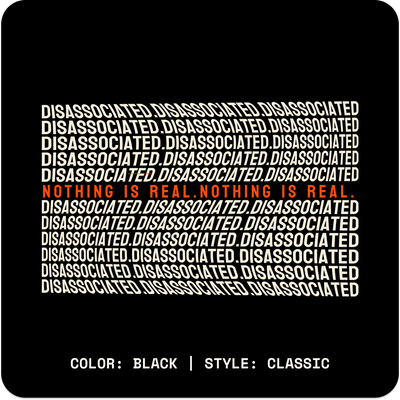
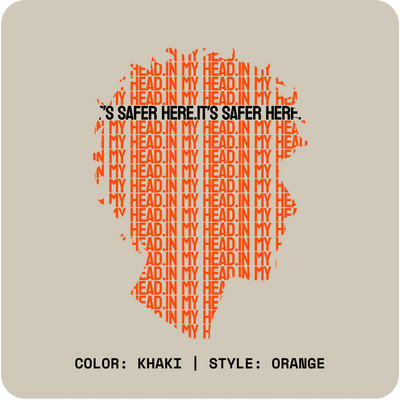
The design is about the gap between the question and the answer. The hollow script. The ritual we perform at each other that has almost nothing to do with how either party actually is.

For the ones who've said it today without thinking. Who've had it said to them and given the expected response before they'd even registered the question. Who are somewhere between genuinely not fine and completely unable to explain that in the three seconds the question allots.

The hoodie doesn't ask for an honest answer. It just names the performance.


The QR Code Inside

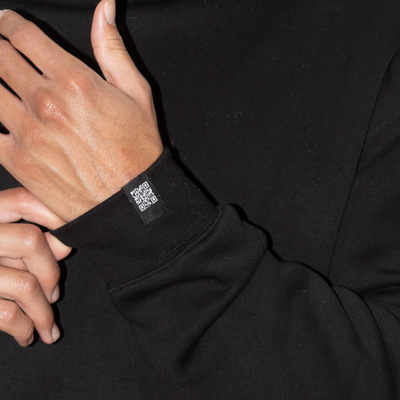
Every UNINSPIRED piece has a hidden layer — a woven QR code at the wrist that opens an AR reveal when scanned. A daily message. Something that only exists when you activate it.

The reveal in the How Are You? hoodie is for the moment after the performance is done. The quiet version of the question. The one with a pause in it.


For the ones who've answered "fine" today: you're allowed to be not fine. The question just didn't have room for it.


UNINSPIRED makes clothing for the ones tired of performing answers. The How Are You? hoodie is part of the Annoying Pleasantries collection. Scan the sleeve.

'How Are You?' — The Most Dishonest Question We Ask

For the ones who answer it thirty times a day and mean it approximately zero of them.

For the ones who have watched the question become so hollow that they stopped expecting it to open anything real.

For the ones who, when someone actually asks and actually waits for the answer, don't know what to do with the space.


What the Question Is Actually Doing

"How are you?" is not a question. Not in most of the contexts it gets asked.

It's a greeting. A transition. A social ritual that signals I acknowledge your presence and I am prepared to continue our interaction. The expected response — "good, you?" or "fine, thanks" — closes the loop and moves things forward. Both parties perform the exchange, nobody is inconvenienced by honesty, and the interaction proceeds.

This is not cynicism. It's how social lubrication works. Most of the time, "how are you" is a door that both parties agree to treat as already closed.

The problem isn't the question. It's what happens when you're not actually fine, and you've learned — through years of giving the honest answer and watching people's faces do something complicated — that the question doesn't really want to know.


How the Script Gets Learned

Most people learn the "I'm fine" reflex early.

You answered honestly once. The other person didn't know what to do. They offered advice you didn't ask for, or pivoted to a positive reframe, or went quiet in a way that made you feel like a burden. You felt worse for having said anything. You learned: save the real answer for someone who can handle it, which is almost no one, which means the default answer is fine.

This is rational. It's correct social reading. "How are you?" in a hallway, a grocery store, a work meeting — these are not contexts that can hold a real answer. Giving one would be strange, would burden someone who wasn't offering to carry anything.

But the habit calcifies. And eventually the reflex runs even in contexts where someone actually wants to know. Even with people you trust. Even alone, asking yourself.


What It Would Look Like If It Were Real

"How are you?" as an actual question — asked with a pause, with eye contact, with the quality of attention that signals I have time for what comes next — lands differently.

The body knows the difference. When someone asks and means it, there's a moment of recalibration. The rote answer starts to form and then — something checks. Is this one of those times?

The question has the same words. The context is the design.

Most people don't get asked the real version very often. A lot of people don't ask it either, because asking it means being willing to hold whatever comes back. That's a real offering. Most interactions don't have room for it.


The "How Are You?" Hoodie

The design is about the gap between the question and the answer. The hollow script. The ritual we perform at each other that has almost nothing to do with how either party actually is.

For the ones who've said it today without thinking. Who've had it said to them and given the expected response before they'd even registered the question. Who are somewhere between genuinely not fine and completely unable to explain that in the three seconds the question allots.

The hoodie doesn't ask for an honest answer. It just names the performance.


The QR Code Inside

Every UNINSPIRED piece has a hidden layer — a woven QR code at the wrist that opens an AR reveal when scanned. A daily message. Something that only exists when you activate it.

The reveal in the How Are You? hoodie is for the moment after the performance is done. The quiet version of the question. The one with a pause in it.


For the ones who've answered "fine" today: you're allowed to be not fine. The question just didn't have room for it.


UNINSPIRED makes clothing for the ones tired of performing answers. The How Are You? hoodie is part of the Annoying Pleasantries collection. Scan the sleeve.


0 comments

Leave a comment

Please note, comments must be approved before they are published

Favorites

Our most popular looks of the season

Relevant Product