For the ones who've asked it a hundred times today and meant it approximately never.
For the ones who answered honestly once and watched the other person's expression scramble to find an exit.
What 'How Are You?' Is Actually Asking
"How are you?" is one of the most frequently asked questions in daily life. It is also, most of the time, not a question. It's a greeting. A social ritual. A placeholder that signals acknowledgment of another person's presence without opening a conversation about their actual psychological state. The expected response — "good, thanks, you?" — reciprocates the ritual, closes the loop, and allows both parties to move on.
Everyone who participates in this exchange knows this. And everyone participates anyway, because the alternative — answering honestly — carries social costs that most people have already calculated and decided aren't worth it.
What Happens When Someone Answers for Real
The rare moment when someone answers "how are you?" honestly is revealing. There's a specific uncomfortable beat that happens. The person who asked does something with their face. They recalibrate. They weren't expecting an actual answer and now they have to generate one.
The person who answered honestly reads all of this. They notice whether the other person stayed or escaped. And they file that information away for the next time someone asks how they are. This is how people learn to say "fine." Not because they're dishonest, but because they've been taught, through accumulated experience, that honest answers to this particular question are an imposition.
The Script We All Agreed To
"How are you?" is a social script — a standardized verbal exchange that both parties know the rules of and follow without much conscious thought. Scripts like this aren't inherently bad. They allow large numbers of people to interact without every interaction requiring emotional depth.
The problem isn't the script. The problem is what happens when the script becomes the only available register — when people who are genuinely not okay have no way to say so without violating the terms of the exchange.
When You Actually Want to Know
There's a difference between the greeting-ritual use of "how are you?" and the genuine question — the version asked with eye contact, with a pause, with actual availability for whatever answer comes back. The genuine version is recognizable. There's a different quality to it — a sense that the person asking is actually going to stay for the answer. This version is rarer than it should be.
For the ones who are asked "how are you?" fifty times a day and tell the truth zero times — the script is the problem. Not you.
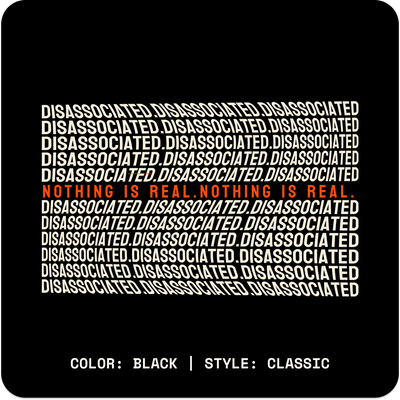
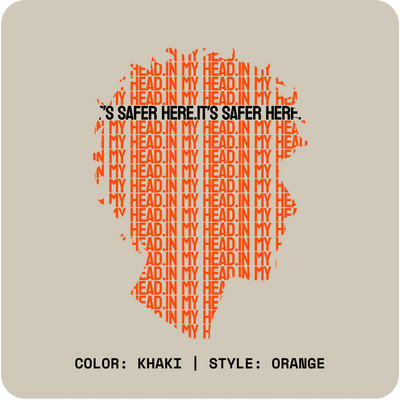
UNINSPIRED makes clothing for the ones who are done with the script. The How Are You? hoodie wears the question honestly. Scan the sleeve.