'How Are You?' — The Dishonesty Built Into the Question

For the ones who answer 'fine' on autopilot and mean something completely different.

For the ones who have been asked how they are by people who weren't going to wait for the answer.

For the ones who know the question is a greeting, not a question.

What 'how are you' actually is

"How are you?" is not, in most contexts, a question. It's a greeting format — a social signal that initiates contact and expects a specific class of response: short, positive, and returned in kind. "Fine." "Good, you?" "Not bad." The exchange completes in seconds and accomplishes the function of acknowledging the other person's presence without requiring either party to reveal anything real.

This is, by itself, not a problem. Social lubrication exists for a reason. Not every encounter needs to be an honest accounting of internal state.

The problem arrives when the script becomes the only available format — when the social expectation of a fine answer is so strong that departing from it, even in contexts where departure would be warranted, feels impossible. When "how are you" stops being a neutral greeting and starts being a place where the honest version of the answer can't go.

What the script requires

The "how are you" exchange requires the production of a socially acceptable answer regardless of the underlying state. It asks both parties to agree, implicitly, to keep the transaction at the surface level.

Most people have had the experience of being asked "how are you?" in a moment of genuine difficulty, and producing the expected answer anyway. "Fine." "Hanging in there." "Living the dream."

And then watching the exchange close and move on. The person asked, the script ran, and the actual state of things went unacknowledged — not because the asker didn't care, necessarily, but because the format of the question didn't create space for the honest answer. The question was a greeting. The answer was a greeting. Nothing was communicated.

Why 'fine' becomes the default even when it isn't

The fine answer is safe. It requires no explanation, no follow-up, no management of another person's reaction to the real answer. It keeps the interaction brief and socially smooth.

The honest answer is expensive. It risks making the other person uncomfortable. It risks being more than the moment was designed to hold. It risks the particular kind of exposure that comes from saying the true thing and watching the room try to figure out what to do with it.

For people who have learned, early and consistently, that their honest state is too much for most contexts — the default to fine isn't avoidance. It's rational. It's the efficient route past a negotiation that usually ends in the same place anyway.

The 'annoying pleasantries' repertoire

"How are you?" has a whole family of related phrases that operate the same way. "How's it going?" "What's up?" "Can't complain." "Hanging in there." "Living the dream." "You know how it is."

Each of these is a transaction that uses the language of inquiry to accomplish the function of acknowledgment without requiring the substance of actual inquiry. They are, in a specific way, brilliant social technology: they let people establish connection efficiently, without the overhead of genuine emotional exchange.

They're also, when they become the only available language, a system for keeping everyone's actual experience out of shared space. A way of being around other people without ever really being with them.

When the script breaks down

Sometimes the honest answer comes out anyway. Someone asks "how are you?" at the wrong moment — or the right one — and the script fails to run. What actually happened comes out instead.

This is uncomfortable for everyone. The asker wasn't prepared for an actual answer. The answerer wasn't planning to give one. The moment requires something neither party rehearsed.

But something also happens in those moments: actual contact. The kind of contact that the script was designed to approximate but can't quite produce. The recognition that the other person is actually there, actually in something, actually in need of something that the greeting format was never going to reach.

The cost of only ever speaking in script

When the script runs successfully every time — when fine is always the answer, when no one ever has to navigate what comes after the honest response — something goes untouched.

The things that actually need to be said. The things that, if said, might allow someone to help or simply to know. The experience of being actually known by the people around you, rather than being known in the version of yourself that the script produces.

The script is efficient. It is also a system for staying unknown — for conducting relationships entirely at the surface, without the friction and the relief of what's underneath.


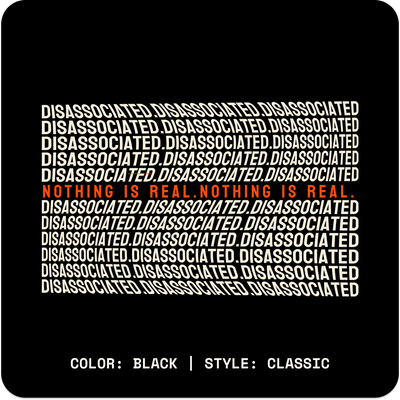
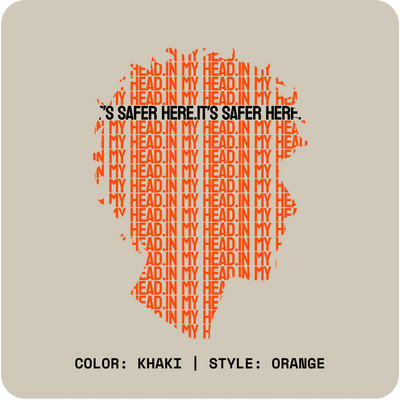
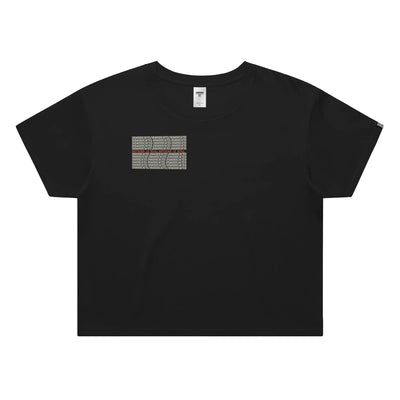
UNINSPIRED makes clothing for the ones who know exactly what they mean when they say fine. The How Are You? collection says the thing the script won't. Scan the sleeve.

'How Are You?' — The Dishonesty Built Into the Question

For the ones who answer 'fine' on autopilot and mean something completely different.

For the ones who have been asked how they are by people who weren't going to wait for the answer.

For the ones who know the question is a greeting, not a question.

What 'how are you' actually is

"How are you?" is not, in most contexts, a question. It's a greeting format — a social signal that initiates contact and expects a specific class of response: short, positive, and returned in kind. "Fine." "Good, you?" "Not bad." The exchange completes in seconds and accomplishes the function of acknowledging the other person's presence without requiring either party to reveal anything real.

This is, by itself, not a problem. Social lubrication exists for a reason. Not every encounter needs to be an honest accounting of internal state.

The problem arrives when the script becomes the only available format — when the social expectation of a fine answer is so strong that departing from it, even in contexts where departure would be warranted, feels impossible. When "how are you" stops being a neutral greeting and starts being a place where the honest version of the answer can't go.

What the script requires

The "how are you" exchange requires the production of a socially acceptable answer regardless of the underlying state. It asks both parties to agree, implicitly, to keep the transaction at the surface level.

Most people have had the experience of being asked "how are you?" in a moment of genuine difficulty, and producing the expected answer anyway. "Fine." "Hanging in there." "Living the dream."

And then watching the exchange close and move on. The person asked, the script ran, and the actual state of things went unacknowledged — not because the asker didn't care, necessarily, but because the format of the question didn't create space for the honest answer. The question was a greeting. The answer was a greeting. Nothing was communicated.

Why 'fine' becomes the default even when it isn't

The fine answer is safe. It requires no explanation, no follow-up, no management of another person's reaction to the real answer. It keeps the interaction brief and socially smooth.

The honest answer is expensive. It risks making the other person uncomfortable. It risks being more than the moment was designed to hold. It risks the particular kind of exposure that comes from saying the true thing and watching the room try to figure out what to do with it.

For people who have learned, early and consistently, that their honest state is too much for most contexts — the default to fine isn't avoidance. It's rational. It's the efficient route past a negotiation that usually ends in the same place anyway.

The 'annoying pleasantries' repertoire

"How are you?" has a whole family of related phrases that operate the same way. "How's it going?" "What's up?" "Can't complain." "Hanging in there." "Living the dream." "You know how it is."

Each of these is a transaction that uses the language of inquiry to accomplish the function of acknowledgment without requiring the substance of actual inquiry. They are, in a specific way, brilliant social technology: they let people establish connection efficiently, without the overhead of genuine emotional exchange.

They're also, when they become the only available language, a system for keeping everyone's actual experience out of shared space. A way of being around other people without ever really being with them.

When the script breaks down

Sometimes the honest answer comes out anyway. Someone asks "how are you?" at the wrong moment — or the right one — and the script fails to run. What actually happened comes out instead.

This is uncomfortable for everyone. The asker wasn't prepared for an actual answer. The answerer wasn't planning to give one. The moment requires something neither party rehearsed.

But something also happens in those moments: actual contact. The kind of contact that the script was designed to approximate but can't quite produce. The recognition that the other person is actually there, actually in something, actually in need of something that the greeting format was never going to reach.

The cost of only ever speaking in script

When the script runs successfully every time — when fine is always the answer, when no one ever has to navigate what comes after the honest response — something goes untouched.

The things that actually need to be said. The things that, if said, might allow someone to help or simply to know. The experience of being actually known by the people around you, rather than being known in the version of yourself that the script produces.

The script is efficient. It is also a system for staying unknown — for conducting relationships entirely at the surface, without the friction and the relief of what's underneath.


UNINSPIRED makes clothing for the ones who know exactly what they mean when they say fine. The How Are You? collection says the thing the script won't. Scan the sleeve.


0 comments

Leave a comment

Please note, comments must be approved before they are published

Favorites

Our most popular looks of the season

Relevant Product