High Functioning Anxiety: When You Look Fine But Aren't

For the ones who have been anxious their entire lives and have nothing to show for it except a very clean inbox and a reputation for being reliable.

For the ones who can't tell their anxiety is anxiety because it mostly looks like getting things done.

For the ones who are exhausted in a way that's hard to explain because from the outside, everything looks fine.


What High Functioning Anxiety Actually Is

High functioning anxiety isn't a clinical diagnosis. It's a pattern — one that describes what happens when anxiety becomes a performance driver rather than a paralysis trigger.

For most people, the cultural image of anxiety involves visible struggle: panic attacks, avoidance, inability to leave the house. High functioning anxiety looks different. It looks like being early, prepared, and thorough. It looks like replying to emails immediately. It looks like never missing a deadline and always having a contingency plan.

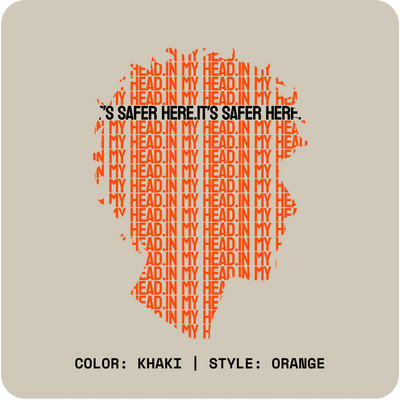
From the outside, it can look like excellence. From the inside, it's the fear of what happens if you stop.


How It Works

Anxiety is the nervous system detecting threat and mobilizing response. In most anxiety presentations, the mobilization is disruptive — it interferes with function.

In high functioning anxiety, the threat detection is the engine. The anxiety generates urgency, and the urgency drives action. The person prepares obsessively because the thought of being unprepared is intolerable. They stay on top of everything because the thought of something slipping through feels catastrophic. They meet every expectation because the thought of disappointing someone activates something disproportionate.

The output is high. The internal experience is chronic low-grade dread.


What It Looks Like From the Inside

Not always dramatic. Often just: the inability to stop.

The difficulty sitting with incompleteness. The checking and rechecking. The list that gets longer faster than it gets shorter. The sense that relaxation isn't actually available — that "downtime" is just time when you're not productively managing the anxiety and it has nowhere to go.

The overexplaining. The pre-apology. The mental rehearsal of conversations before they happen and the post-mortem after. The specific exhaustion of spending enormous cognitive energy on things that other people seem to handle without apparent effort.

And the thing that doesn't get talked about enough: the isolation of looking fine when you're not. When the anxiety is invisible because it's been successfully channeled into performance, you don't get the acknowledgment that something hard is happening. You get praised for being capable while the mechanism driving the capability is burning you out.


Why It's Hard to Name

Several reasons.

First, the output is good. Anxiety that produces results gets positive reinforcement. You get praised for the thing the anxiety is creating, which makes it harder to identify the anxiety as a problem.

Second, it doesn't match the template. If you expect anxiety to look like panic and avoidance, and yours looks like overachievement and perfectionism, it can take years to connect the two. Some people don't identify it until they hit a wall — until the strategy that worked for years stops working, or until a change in circumstances removes the structure that was containing it.

Third, there's often a secondary shame layer: I have nothing to complain about. I'm functioning. Other people have it worse. Which is a recognizable pattern from toxic positivity — the invalidation of your own experience because it doesn't look bad enough to deserve attention.


The Cost That Accumulates

High functioning anxiety has a long-term cost that isn't always visible until later.

The body carries chronic activation. The nervous system running on elevated alert as a baseline state isn't sustainable indefinitely. The burnout that eventually arrives tends to be severe precisely because the person functioned so long without apparent difficulty — by the time the system breaks down, the depletion is profound.

Relationships also carry a cost. The person with high functioning anxiety is often the one managing, organizing, anticipating, and holding things together. That's exhausting. And it tends to mean they're performing competence in spaces that should be safe for vulnerability.

The question isn't whether you're managing. It's what it costs you to manage.


What "I'm Fine" Means Here

For the person with high functioning anxiety, "I'm fine" is often technically true and functionally misleading at the same time.

You are fine, in the sense that things are handled. You are not fine, in the sense that the handling requires a level of internal effort that other people don't seem to need, and that you've never quite been able to explain without sounding like you're complaining about succeeding.

The gap between the presentation and the experience is the whole thing. The exhaustion of maintaining it is the whole thing.


For the ones who look fine and aren't — the looking fine isn't proof that you are. It's evidence of how hard you've worked to appear that way. Those are different things.


UNINSPIRED makes clothing for the ones who are done performing fine. Shop the UNSPOKEN collection. Scan the sleeve.

High Functioning Anxiety: When You Look Fine But Aren't

For the ones who have been anxious their entire lives and have nothing to show for it except a very clean inbox and a reputation for being reliable.

For the ones who can't tell their anxiety is anxiety because it mostly looks like getting things done.

For the ones who are exhausted in a way that's hard to explain because from the outside, everything looks fine.


What High Functioning Anxiety Actually Is

High functioning anxiety isn't a clinical diagnosis. It's a pattern — one that describes what happens when anxiety becomes a performance driver rather than a paralysis trigger.

For most people, the cultural image of anxiety involves visible struggle: panic attacks, avoidance, inability to leave the house. High functioning anxiety looks different. It looks like being early, prepared, and thorough. It looks like replying to emails immediately. It looks like never missing a deadline and always having a contingency plan.

From the outside, it can look like excellence. From the inside, it's the fear of what happens if you stop.


How It Works

Anxiety is the nervous system detecting threat and mobilizing response. In most anxiety presentations, the mobilization is disruptive — it interferes with function.

In high functioning anxiety, the threat detection is the engine. The anxiety generates urgency, and the urgency drives action. The person prepares obsessively because the thought of being unprepared is intolerable. They stay on top of everything because the thought of something slipping through feels catastrophic. They meet every expectation because the thought of disappointing someone activates something disproportionate.

The output is high. The internal experience is chronic low-grade dread.


What It Looks Like From the Inside

Not always dramatic. Often just: the inability to stop.

The difficulty sitting with incompleteness. The checking and rechecking. The list that gets longer faster than it gets shorter. The sense that relaxation isn't actually available — that "downtime" is just time when you're not productively managing the anxiety and it has nowhere to go.

The overexplaining. The pre-apology. The mental rehearsal of conversations before they happen and the post-mortem after. The specific exhaustion of spending enormous cognitive energy on things that other people seem to handle without apparent effort.

And the thing that doesn't get talked about enough: the isolation of looking fine when you're not. When the anxiety is invisible because it's been successfully channeled into performance, you don't get the acknowledgment that something hard is happening. You get praised for being capable while the mechanism driving the capability is burning you out.


Why It's Hard to Name

Several reasons.

First, the output is good. Anxiety that produces results gets positive reinforcement. You get praised for the thing the anxiety is creating, which makes it harder to identify the anxiety as a problem.

Second, it doesn't match the template. If you expect anxiety to look like panic and avoidance, and yours looks like overachievement and perfectionism, it can take years to connect the two. Some people don't identify it until they hit a wall — until the strategy that worked for years stops working, or until a change in circumstances removes the structure that was containing it.

Third, there's often a secondary shame layer: I have nothing to complain about. I'm functioning. Other people have it worse. Which is a recognizable pattern from toxic positivity — the invalidation of your own experience because it doesn't look bad enough to deserve attention.


The Cost That Accumulates

High functioning anxiety has a long-term cost that isn't always visible until later.

The body carries chronic activation. The nervous system running on elevated alert as a baseline state isn't sustainable indefinitely. The burnout that eventually arrives tends to be severe precisely because the person functioned so long without apparent difficulty — by the time the system breaks down, the depletion is profound.

Relationships also carry a cost. The person with high functioning anxiety is often the one managing, organizing, anticipating, and holding things together. That's exhausting. And it tends to mean they're performing competence in spaces that should be safe for vulnerability.

The question isn't whether you're managing. It's what it costs you to manage.


What "I'm Fine" Means Here

For the person with high functioning anxiety, "I'm fine" is often technically true and functionally misleading at the same time.

You are fine, in the sense that things are handled. You are not fine, in the sense that the handling requires a level of internal effort that other people don't seem to need, and that you've never quite been able to explain without sounding like you're complaining about succeeding.

The gap between the presentation and the experience is the whole thing. The exhaustion of maintaining it is the whole thing.


For the ones who look fine and aren't — the looking fine isn't proof that you are. It's evidence of how hard you've worked to appear that way. Those are different things.


UNINSPIRED makes clothing for the ones who are done performing fine. Shop the UNSPOKEN collection. Scan the sleeve.


0 comments

Leave a comment

Please note, comments must be approved before they are published

Favorites

Our most popular looks of the season

Relevant Product