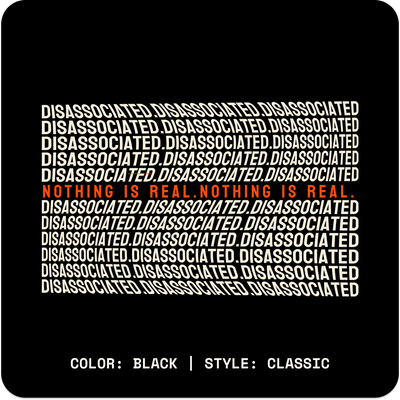
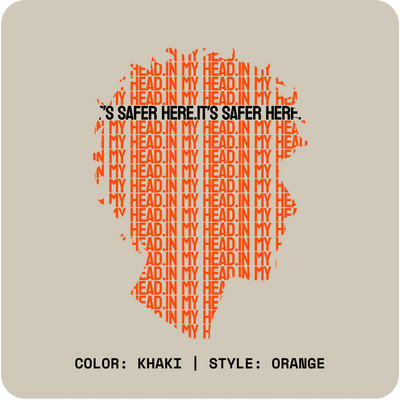
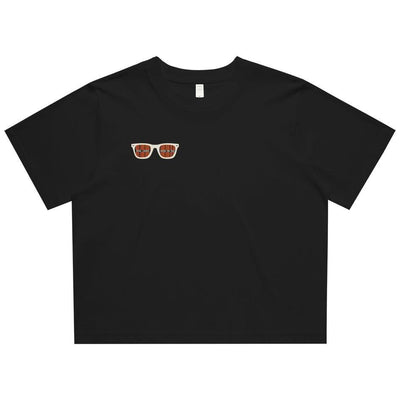
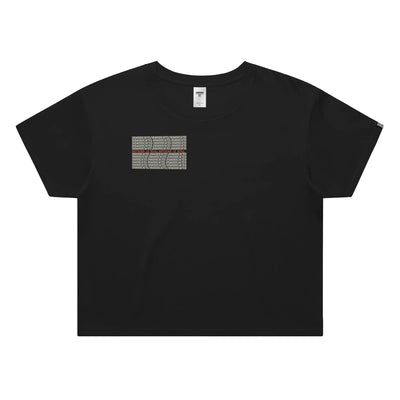
For the ones who are described as put-together while something inside them is always slightly on fire.
For the ones whose anxiety looks like early mornings and color-coded calendars and always being prepared for the worst.
For the ones who've never missed a deadline — because the fear of what happens if they do is too loud to ignore.
What High-Functioning Anxiety Is
High-functioning anxiety isn't a clinical diagnosis — but it's a real and recognizable pattern. It describes anxiety that's present, persistent, and significant, but that doesn't impair visible functioning. In fact, in many cases, it appears to enhance it. The anxiety becomes fuel for productivity. For preparation. For reliability. For always being on top of things.
From the outside: impressive. Capable. Dependable. The person who always delivers. Who anticipates problems before they happen. Who prepares for every contingency. Who seems, by every external measure, fine.
From the inside: the constant background hum of what could go wrong. The planning that never fully quiets. The dread that sits underneath the productivity. The way finishing one task doesn't bring relief — just the next item on the list of things that could be done wrong. The exhaustion that comes from running a full-time anxiety operation alongside a full-time life.
Why It Gets Missed
Because it looks like a personality, not a problem. The high-functioning anxious person is often described as driven, responsible, organized, conscientious. These are valued traits. The anxiety underneath those traits isn't visible — and the person often isn't talking about it, because talking about it would require admitting that the picture doesn't match the reality.
And because the outputs are good. The work gets done. The appointments get kept. The crisis gets managed. There's no external signal that anything is wrong — and the internal signal is something the person has learned to tolerate and function through, because functioning is the only mode they know.
High-functioning anxiety often doesn't get named until something creates a break in the system. A collapse. A period where functioning finally isn't possible. Or a therapist asking the right question and uncovering how much work has been going into maintaining the surface all along.
What It Actually Looks Like
Overthinking that gets called thoroughness. Preparation that goes well past what the situation requires. Replaying conversations and interactions long after they've ended. Difficulty being present because part of your mind is always somewhere else — ahead, planning, anticipating, bracing.
Trouble switching off. The inability to rest without guilt, or without the anxiety filling the space that activity was keeping quiet. Sleep disruption. Racing thoughts at 3am that review everything that happened and everything that might.
People-pleasing layered on top — because disappointing someone feels like a confirmation of the thing the anxiety is already telling you. Social monitoring. Over-apologizing. A need for reassurance that never quite lands, because the next potential problem is already in view.
And sometimes: a very convincing performance of not being anxious. Of being calm, measured, together. Because you've had years of practice, and the performance is by now nearly automatic.
The Productivity Trap
High-functioning anxiety creates a specific trap around productivity. The anxiety produces output, which produces external validation, which creates pressure to maintain the output, which requires the anxiety to keep running. The engine and the fuel become the same thing.
Slowing down doesn't feel like rest — it feels like risk. If you're not staying ahead, you might fall behind. If you're not anticipating, something might catch you off guard. The productivity isn't always about wanting to achieve. It's about trying to outrun the feeling that something is about to go wrong.
The cost of this trap: you can't stop. And because stopping looks like laziness from the outside, and feels like danger from the inside, the system has no natural brake. It runs until something forces it to stop. That something is rarely pleasant.
The Physical Cost
Anxiety is a full-body experience. Sustained anxiety — the kind that runs at a low, chronic frequency — involves sustained activation of the stress response. Elevated cortisol. Chronic muscle tension. Digestive disruption. A nervous system that never fully comes down from activation because there's always something to be activated about.
The body keeps score, even when the functioning looks fine. Headaches. Tension in the jaw or shoulders. Fatigue that doesn't resolve with rest. GI issues without a clear cause. A physical health picture that doesn't match the apparent wellness of someone who has their life together.
What It Is Not
It's not ambition. It's not discipline. It's not being a hard worker or a high achiever. Those things can exist — and often do — but they're not the same as high-functioning anxiety, and conflating them is part of why the pattern goes unaddressed for so long.
The person who is driven without anxiety can stop and feel good about what they've done. Can rest without guilt. Can let something be imperfect without the imperfection triggering a threat response. The high-functioning anxious person cannot. The anxiety is always recalibrating the next required level of performance. Good enough is never quite good enough. Finished is never quite finished.
What Changes When You Name It
Not the anxiety, necessarily. Not right away. But the story about it. You're not just a driven person — you're a person whose anxiety has been running the drive. That distinction matters. It changes what you look for in yourself, what you notice, what you give yourself permission to feel. It opens the door to addressing something that's been operating unchallenged because it looked too much like success to be a problem.
UNINSPIRED makes clothing for the ones who have it together on the outside and something very different going on underneath. The I'm Fine collection is for the ones who know exactly what that performance costs. Scan the sleeve.