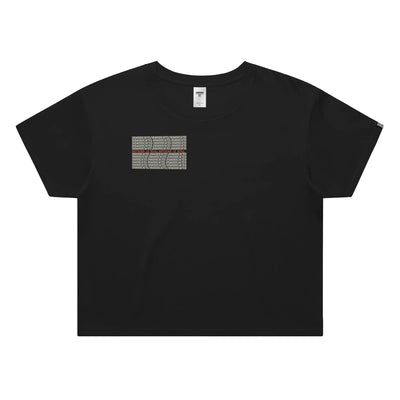
For the ones who've walked into a space labeled "good vibes only" and immediately felt the specific pressure of having to leave part of themselves at the door.
For the ones who smiled and nodded and felt the particular exhaustion of spaces that require performance as the price of admission.
What 'Good Vibes Only' Is Actually Saying
On the surface it sounds like an aesthetic preference. A vibe. A low-stakes way of saying this is a fun space, not a heavy one.
Underneath, the message is more specific: your negative emotions are not welcome here. If you're struggling, keep it to yourself. If you're grieving, anxious, angry, or in pain — find somewhere else to be that way, because this space has conditions.
The phrase sets up a hierarchy of acceptable human states. Good vibes: welcome. Everything else: a problem.
For most people, most of the time, this means performing. Showing up with the version of yourself that passes the vibe check and leaving the rest — the real rest — in the car.
Why It's a Red Flag
Environments that only tolerate positive emotions are environments where honesty has a cost.
Genuine connection requires the ability to be real. The relationships that actually sustain people are the ones where you can say something hard and be met rather than managed. "Good vibes only" cultures eliminate that possibility by design. When the rule is that negative things don't belong here, the people in the space learn quickly what they can and can't say. They perform the required register. The connection stays on the surface.
This is the red flag. Not that a space is fun or light or upbeat — those aren't problems. The red flag is when positivity is a requirement rather than an organic state. When it's enforced rather than arrived at. When the cost of entry is leaving your actual self outside.
Emotional Suppression Isn't Actually Positive
There's a version of this that's worth being precise about: suppressing negative emotions doesn't make them go away. It makes them invisible to the people around you while remaining fully present in your nervous system.
The chronic performance of fine — the kind required by "good vibes only" environments — is work. It depletes the same reserves as everything else. People who sustain it for long enough end up more depleted, not more positive, because they're expending energy on the performance of an emotional state they're not actually in.
"Good vibes only" culture produces exhausted people who look fine from the outside. That's not good vibes. That's managed presentation.
What 'Only' Does
The word "only" is doing a lot. "Good vibes" is a description. "Good vibes only" is a requirement.
The only is what creates the pressure. The only is what signals that the full range of human experience isn't welcome. The only is the flag.
A space that's genuinely good — that actually feels safe and warm and worth being in — doesn't need the only. People will bring good things to it because it's the kind of space that produces them naturally, not because they've been told that's the only thing permitted.
For the ones who've spent years finding spaces that say "good vibes only" and translating that as "you can come in, but not all of you" — you're right about what it means. Some spaces actually want all of you. Those are the ones worth staying in.
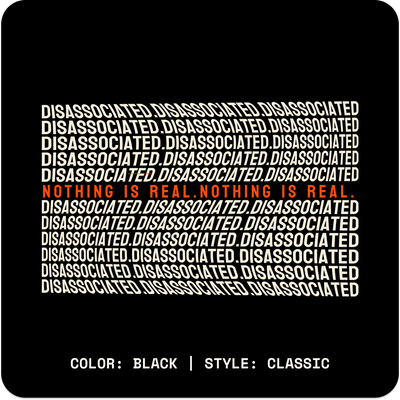
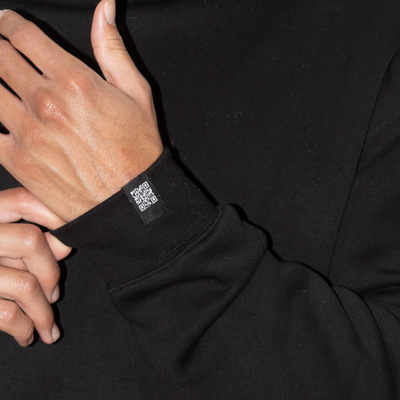
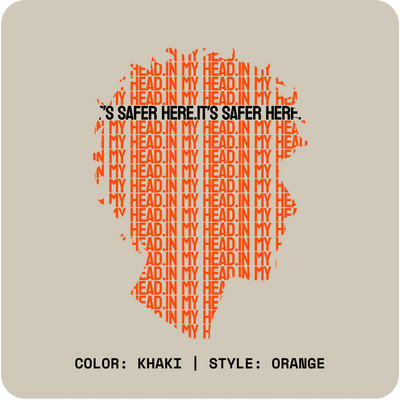
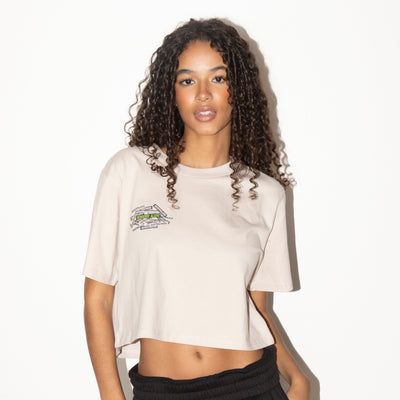
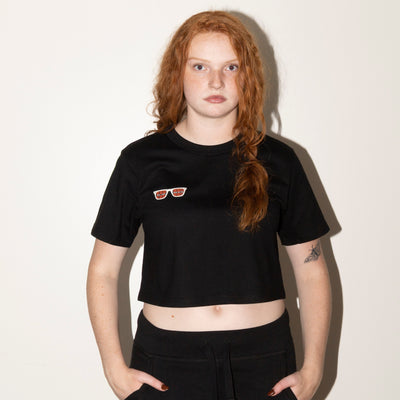
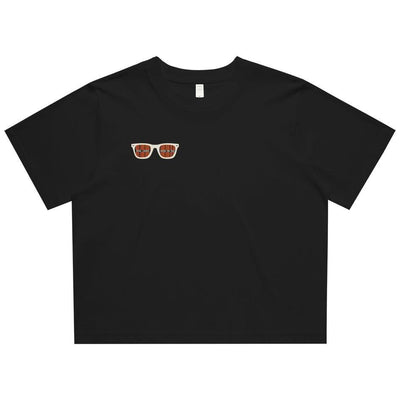
UNINSPIRED doesn't do good vibes only. The Annoying Pleasantries collection wears the phrases we're done performing. Scan the sleeve.