Executive Dysfunction: Why Your Brain Isn't Lazy

For the ones who know exactly what they need to do and cannot make themselves start.

For the ones who've been called lazy by people who watched them struggle for years and chose that explanation.

For the ones who can hyperfocus for six hours on something that interests them and can't initiate a five-minute task they've been putting off for three weeks — and have been trying to figure out what that contradiction means ever since.


What Executive Dysfunction Is

Executive function is the brain's ability to plan, initiate, organize, prioritize, manage time, regulate emotion, and shift between tasks. It's the cognitive infrastructure that sits between intention and action.

Executive dysfunction is when that infrastructure doesn't work the way it's expected to. Not absent. Not broken. Different — and specifically different in ways that make the gap between knowing what to do and being able to do it wider than it is for most people.


The Task Initiation Problem

The most visible piece of executive dysfunction — the one that gets called laziness most often — is difficulty with task initiation.

For most people, knowing a task needs to be done provides enough internal motivation to start it. For people with executive dysfunction, that connection between intention and initiation is unreliable. The task sits there. You know it needs doing. You want to do it. The hours pass. The task remains undone. This isn't a preference or a character trait. It's a gap in the neurological pathway between decision and execution.

The brain that can't initiate the tax return but can spend five hours in a flow state researching something fascinating isn't a lazy brain. It's a brain that runs on interest and urgency rather than importance and obligation.


What Executive Dysfunction Actually Affects

Working memory — holding information in mind while doing something with it. Losing the thread mid-sentence. Forgetting why you walked into a room.

Time blindness — the inability to feel time passing accurately. Being genuinely shocked that two hours have gone by. Consistently underestimating how long things take.

Emotional regulation — feelings arriving at higher intensity and being harder to modulate. The frustration that seems disproportionate. The rejection sensitivity that hits harder than the situation warrants.

Cognitive flexibility — difficulty switching tasks, tolerating interruptions, or adjusting when plans change.

Planning and prioritization — knowing everything that needs to be done and being unable to sequence it. The paralysis that comes from equal urgency assigned to everything.


Why 'Just Try Harder' Doesn't Work

Telling someone with executive dysfunction to try harder is like telling someone with a broken leg to walk it off. The effort is genuinely there. The mechanism that translates effort into action isn't working the way the advice assumes it does.

Most people with executive dysfunction have already tried harder. Repeatedly. With lists and timers and accountability systems and every productivity framework they could find. The repeated cycle of trying, partially working, falling short, and self-blame accumulates into something that looks like low motivation but is actually closer to exhaustion.

The problem isn't the effort. It's the framework used to describe it.


The Relationship With ADHD

Executive dysfunction is one of the core features of ADHD — though it also appears in autism, depression, anxiety, traumatic brain injury, and other conditions.

In ADHD specifically, the executive function difficulties are neurological: differences in the prefrontal cortex and dopamine regulation that affect how the brain initiates, sustains, and switches attention. This means it's not a mindset issue. It's not a discipline issue. It's a wiring difference that responds to different inputs than the ones a standard productivity approach assumes.


What Tends to Help

External structure — accountability, deadlines imposed by others, body doubling. The brain that can't generate internal urgency can often respond to external urgency.

Reducing the start — making the first action small enough that initiation resistance lowers. Not "write the report" but "open the document."

Working with interest — identifying the part of the task that's genuinely engaging and finding ways to make it the entry point.

Naming time — using timers, narrating tasks out loud, building in explicit time checks. Compensating for time blindness with external anchors.


For the ones who've been calling it laziness for years because nobody offered them the right word — executive dysfunction is the right word. You already knew something was different. Now you have a framework that actually describes it.


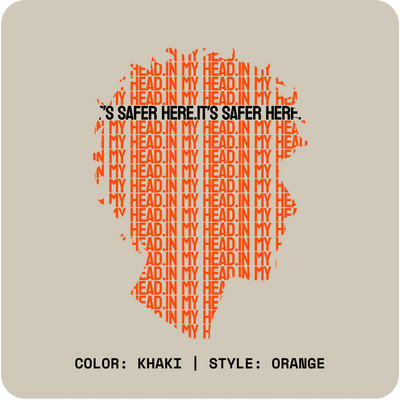
UNINSPIRED makes clothing for the ones whose brains work differently than the world was designed for. Shop the UNSPOKEN collection. Scan the sleeve.

Executive Dysfunction: Why Your Brain Isn't Lazy

For the ones who know exactly what they need to do and cannot make themselves start.

For the ones who've been called lazy by people who watched them struggle for years and chose that explanation.

For the ones who can hyperfocus for six hours on something that interests them and can't initiate a five-minute task they've been putting off for three weeks — and have been trying to figure out what that contradiction means ever since.


What Executive Dysfunction Is

Executive function is the brain's ability to plan, initiate, organize, prioritize, manage time, regulate emotion, and shift between tasks. It's the cognitive infrastructure that sits between intention and action.

Executive dysfunction is when that infrastructure doesn't work the way it's expected to. Not absent. Not broken. Different — and specifically different in ways that make the gap between knowing what to do and being able to do it wider than it is for most people.


The Task Initiation Problem

The most visible piece of executive dysfunction — the one that gets called laziness most often — is difficulty with task initiation.

For most people, knowing a task needs to be done provides enough internal motivation to start it. For people with executive dysfunction, that connection between intention and initiation is unreliable. The task sits there. You know it needs doing. You want to do it. The hours pass. The task remains undone. This isn't a preference or a character trait. It's a gap in the neurological pathway between decision and execution.

The brain that can't initiate the tax return but can spend five hours in a flow state researching something fascinating isn't a lazy brain. It's a brain that runs on interest and urgency rather than importance and obligation.


What Executive Dysfunction Actually Affects

Working memory — holding information in mind while doing something with it. Losing the thread mid-sentence. Forgetting why you walked into a room.

Time blindness — the inability to feel time passing accurately. Being genuinely shocked that two hours have gone by. Consistently underestimating how long things take.

Emotional regulation — feelings arriving at higher intensity and being harder to modulate. The frustration that seems disproportionate. The rejection sensitivity that hits harder than the situation warrants.

Cognitive flexibility — difficulty switching tasks, tolerating interruptions, or adjusting when plans change.

Planning and prioritization — knowing everything that needs to be done and being unable to sequence it. The paralysis that comes from equal urgency assigned to everything.


Why 'Just Try Harder' Doesn't Work

Telling someone with executive dysfunction to try harder is like telling someone with a broken leg to walk it off. The effort is genuinely there. The mechanism that translates effort into action isn't working the way the advice assumes it does.

Most people with executive dysfunction have already tried harder. Repeatedly. With lists and timers and accountability systems and every productivity framework they could find. The repeated cycle of trying, partially working, falling short, and self-blame accumulates into something that looks like low motivation but is actually closer to exhaustion.

The problem isn't the effort. It's the framework used to describe it.


The Relationship With ADHD

Executive dysfunction is one of the core features of ADHD — though it also appears in autism, depression, anxiety, traumatic brain injury, and other conditions.

In ADHD specifically, the executive function difficulties are neurological: differences in the prefrontal cortex and dopamine regulation that affect how the brain initiates, sustains, and switches attention. This means it's not a mindset issue. It's not a discipline issue. It's a wiring difference that responds to different inputs than the ones a standard productivity approach assumes.


What Tends to Help

External structure — accountability, deadlines imposed by others, body doubling. The brain that can't generate internal urgency can often respond to external urgency.

Reducing the start — making the first action small enough that initiation resistance lowers. Not "write the report" but "open the document."

Working with interest — identifying the part of the task that's genuinely engaging and finding ways to make it the entry point.

Naming time — using timers, narrating tasks out loud, building in explicit time checks. Compensating for time blindness with external anchors.


For the ones who've been calling it laziness for years because nobody offered them the right word — executive dysfunction is the right word. You already knew something was different. Now you have a framework that actually describes it.


UNINSPIRED makes clothing for the ones whose brains work differently than the world was designed for. Shop the UNSPOKEN collection. Scan the sleeve.


0 comments

Leave a comment

Please note, comments must be approved before they are published

Favorites

Our most popular looks of the season

Relevant Product