Emotional Numbness: When Feeling Nothing Is Its Own Kind of Pain

For the ones who can't cry even though they know they should.

For the ones who describe themselves as fine and mean it as a diagnosis.

For the ones who keep waiting to feel something and it doesn't arrive.

What emotional numbness actually is

Emotional numbness is the absence or significant reduction of emotional experience — a flatness or blunting in which feelings that would ordinarily be present simply don't arrive, or arrive so faintly they barely register.

It's not calm. It's not peace. Those states involve a positive quality of settledness — the presence of something okay. Emotional numbness is an absence. The signal that should be there isn't. Things that used to matter don't produce much. Things that should hurt don't, and that absence is its own specific disorientation.

It can arrive suddenly — after shock, after loss, after a trauma response. Or gradually — a slow erosion of the emotional range that happens over months or years of chronic stress, suppression, or depression, until the person looks back and can't quite identify when the feelings became less available.

Why it happens: the nervous system's defense

Emotional numbness is often a protective response. The nervous system, under sustained or overwhelming emotional load, can shift into a kind of reduced-input mode — where the emotional signaling system damps down, not because there's nothing to feel, but because feeling everything at full volume has become unsustainable.

This is dissociation at the emotional level: a disconnection from emotional experience rather than from physical sensation or external reality. It's the same protective mechanism that produces other dissociative states, applied specifically to affect.

In the short term, this serves a function. You can get through the thing you couldn't have gotten through if you were feeling all of it. In the medium term, the numbness often outlasts the situation that produced it. The nervous system learned to dampen, and continues dampening, past the point where it's adaptive.

The difference between numbness and depression

They overlap but aren't identical. Depression often includes emotional pain — sadness, hopelessness, a quality of suffering. Emotional numbness, in the form of anhedonia — the inability to feel pleasure from things that previously provided it — is a common feature of depression, but numbness can also exist independently of the other features of depression.

Some people describe emotional numbness as preferable to the alternative: if the alternative is overwhelming emotional pain, numbness is relief. This is particularly common in people with trauma histories, where the shutdown emerged specifically as a buffer against experiences that were too much.

The problem is that emotional numbness doesn't select what it mutes. It buffers the pain and also the joy. The connection and also the disconnection. The things that were overwhelming and also the things that were worth being overwhelmed by.

Medication and emotional blunting

Emotional blunting is a documented side effect of certain antidepressants, particularly SSRIs — a reduction in the emotional range that extends beyond the reduction in depressive symptoms being targeted. The depression improves; so does the capacity for joy, grief, anger, and the full array of emotional experience.

This is a real, underreported experience that doesn't get enough clinical attention. People stay on medications that are working for their depression while quietly managing a flattening of emotional life that they don't always connect to the medication, or that they accept as a trade-off without knowing that other options might be available.

The conversation about this is worth having directly with a prescriber. Not as an indictment of medication — which helps many people significantly — but as an accurate description of a side effect that deserves to be named and addressed.

What emotional numbness feels like from the inside

Things that used to be good feel neutral. Not bad — just flat. Music that used to move you doesn't. Food tastes different. The things you used to look forward to don't generate anticipation anymore.

You go through the motions. You make the right expressions, say the right things, show up where you're supposed to show up. But from the inside there's a quality of going through — of doing the thing without the experience that the thing was supposed to produce.

And then the specific strangeness of not being able to cry when you know you should. When something genuinely sad happens and the tears don't arrive. When the absence of the expected response feels like confirmation that something is wrong, not that something is protected.

The question beneath the numbness

What is the numbness protecting against? What would be there if it lifted?

Sometimes the answer is something that can be engaged with — a grief that's been deferred, an anger that's been suppressed, a need that's been consistently overridden. Sometimes the answer is a nervous system that needs conditions to be different before the protection can come down — safety, resources, support, time.

The numbness was doing a job. Understanding what job it was doing is the beginning of understanding what it would take for the job to be done.


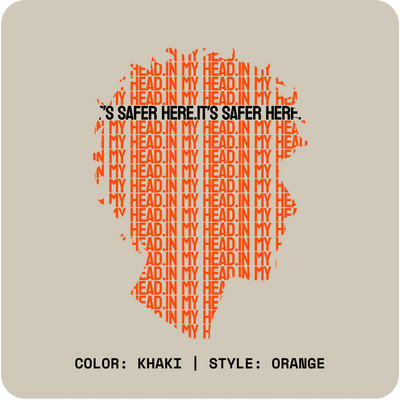
UNINSPIRED makes clothing for the ones who know what it's like to answer 'how are you' and genuinely not know. The Disassociated collection names the absence. Scan the sleeve.

Emotional Numbness: When Feeling Nothing Is Its Own Kind of Pain

For the ones who can't cry even though they know they should.

For the ones who describe themselves as fine and mean it as a diagnosis.

For the ones who keep waiting to feel something and it doesn't arrive.

What emotional numbness actually is

Emotional numbness is the absence or significant reduction of emotional experience — a flatness or blunting in which feelings that would ordinarily be present simply don't arrive, or arrive so faintly they barely register.

It's not calm. It's not peace. Those states involve a positive quality of settledness — the presence of something okay. Emotional numbness is an absence. The signal that should be there isn't. Things that used to matter don't produce much. Things that should hurt don't, and that absence is its own specific disorientation.

It can arrive suddenly — after shock, after loss, after a trauma response. Or gradually — a slow erosion of the emotional range that happens over months or years of chronic stress, suppression, or depression, until the person looks back and can't quite identify when the feelings became less available.

Why it happens: the nervous system's defense

Emotional numbness is often a protective response. The nervous system, under sustained or overwhelming emotional load, can shift into a kind of reduced-input mode — where the emotional signaling system damps down, not because there's nothing to feel, but because feeling everything at full volume has become unsustainable.

This is dissociation at the emotional level: a disconnection from emotional experience rather than from physical sensation or external reality. It's the same protective mechanism that produces other dissociative states, applied specifically to affect.

In the short term, this serves a function. You can get through the thing you couldn't have gotten through if you were feeling all of it. In the medium term, the numbness often outlasts the situation that produced it. The nervous system learned to dampen, and continues dampening, past the point where it's adaptive.

The difference between numbness and depression

They overlap but aren't identical. Depression often includes emotional pain — sadness, hopelessness, a quality of suffering. Emotional numbness, in the form of anhedonia — the inability to feel pleasure from things that previously provided it — is a common feature of depression, but numbness can also exist independently of the other features of depression.

Some people describe emotional numbness as preferable to the alternative: if the alternative is overwhelming emotional pain, numbness is relief. This is particularly common in people with trauma histories, where the shutdown emerged specifically as a buffer against experiences that were too much.

The problem is that emotional numbness doesn't select what it mutes. It buffers the pain and also the joy. The connection and also the disconnection. The things that were overwhelming and also the things that were worth being overwhelmed by.

Medication and emotional blunting

Emotional blunting is a documented side effect of certain antidepressants, particularly SSRIs — a reduction in the emotional range that extends beyond the reduction in depressive symptoms being targeted. The depression improves; so does the capacity for joy, grief, anger, and the full array of emotional experience.

This is a real, underreported experience that doesn't get enough clinical attention. People stay on medications that are working for their depression while quietly managing a flattening of emotional life that they don't always connect to the medication, or that they accept as a trade-off without knowing that other options might be available.

The conversation about this is worth having directly with a prescriber. Not as an indictment of medication — which helps many people significantly — but as an accurate description of a side effect that deserves to be named and addressed.

What emotional numbness feels like from the inside

Things that used to be good feel neutral. Not bad — just flat. Music that used to move you doesn't. Food tastes different. The things you used to look forward to don't generate anticipation anymore.

You go through the motions. You make the right expressions, say the right things, show up where you're supposed to show up. But from the inside there's a quality of going through — of doing the thing without the experience that the thing was supposed to produce.

And then the specific strangeness of not being able to cry when you know you should. When something genuinely sad happens and the tears don't arrive. When the absence of the expected response feels like confirmation that something is wrong, not that something is protected.

The question beneath the numbness

What is the numbness protecting against? What would be there if it lifted?

Sometimes the answer is something that can be engaged with — a grief that's been deferred, an anger that's been suppressed, a need that's been consistently overridden. Sometimes the answer is a nervous system that needs conditions to be different before the protection can come down — safety, resources, support, time.

The numbness was doing a job. Understanding what job it was doing is the beginning of understanding what it would take for the job to be done.


UNINSPIRED makes clothing for the ones who know what it's like to answer 'how are you' and genuinely not know. The Disassociated collection names the absence. Scan the sleeve.


0 comments

Leave a comment

Please note, comments must be approved before they are published

Favorites

Our most popular looks of the season

Relevant Product