Emotional Dysregulation: Why Your Reactions Don't Match the Moment

For the ones who feel everything — loudly, suddenly, completely.

For the ones who've been told they're "a lot" enough times that they started to believe it.

For the ones whose reactions don't match the scale of the situation — at least not from the outside.

What Emotional Dysregulation Actually Means

Not drama. Not immaturity. Emotional dysregulation is a difficulty managing the intensity, duration, or timing of emotional responses. The feelings themselves aren't wrong — the regulation of them is out of sync.

It shows up across a range of experiences: ADHD, PTSD, borderline personality disorder, anxiety, autism, depression, or as a standalone pattern without a clinical label. The common thread: emotional responses that feel disproportionate, that arrive fast and hard, that are difficult to bring back down, or that linger long past the situation that triggered them.

This is different from simply feeling things intensely. Lots of people feel things deeply and can still regulate. Dysregulation is what happens when the nervous system's volume knob is broken — or was never calibrated to the situations you're actually in.

What It Looks Like

Sometimes it's obvious: the outburst that surprises even you. The frustration that becomes rage. The small disappointment that becomes devastation. The moment where you can feel yourself crossing a line and can't stop it.

Sometimes it's quieter: the shutdown. Going completely flat instead of flaring up. The emotional withdrawal that looks like calm but is actually the system overriding itself because processing felt impossible. Dysregulation doesn't always look explosive. Sometimes it looks like gone.

And sometimes it's entirely internal — completely hidden from the people around you. You've learned to contain it. You sit in a meeting while your nervous system screams. You smile while something in you is on fire. You get home and the regulation effort you've been running all day crashes all at once.

Why Emotional Dysregulation Happens

The nervous system learns. Early environments shape what it expects, what it treats as threat, what triggers alarm. If you grew up in a space where emotions were unsafe — where your feelings were dismissed, punished, mocked, or used against you — your nervous system may have learned patterns that made sense then and don't fit now.

Hypervigilance. Emotional flooding. Numbness. Delayed response. All of it can be a nervous system doing exactly what it was trained to do in conditions that no longer exist. The environment changed. The patterns didn't automatically update.

For people with ADHD or autism, the neurological piece is also structural. The prefrontal cortex — the part of the brain responsible for regulation — works differently. Not defectively. Differently. The executive function system that helps most people pause between stimulus and response is less available in high-emotion moments. The flood arrives before the brake can engage.

The Cost of Masking It

When emotional dysregulation exists in environments that don't tolerate it — which is most environments — you learn to perform regulation you're not actually experiencing. You learn to contain the reaction, redirect it, or suppress it entirely until you're somewhere it's safe to let it out.

The cost is real. Emotional suppression takes energy. Serious, ongoing, significant energy. The kind that quietly depletes you across a day. The kind that leaves you exhausted after events that were supposed to be normal. The kind that makes you avoid situations where the regulation demand is too high — not because you're antisocial, but because you can already calculate the cost and it's too much.

The performance creates disconnection. When you're managing your response instead of experiencing it, you're slightly outside yourself — watching, monitoring, adjusting. It's hard to be fully present when you're also running security.

What Makes It Worse — And Better

Worse: fatigue, hunger, stress, overstimulation. When the system's resources are already low, regulation capacity shrinks. This is why the same situation that's manageable on a rested day becomes impossible on a depleted one. The capacity changed. The demand didn't.

Better: reducing the load. Understanding your triggers — not to avoid every difficult thing, but to stop being ambushed. Naming what's happening internally without adding judgment on top of the feeling. Creating a moment of pause between the feeling and the response, even a small one.

Better: environments that don't demand constant performance. Relationships where you can be in process. Less stimulation when you're already at capacity. Permission to say you're at capacity without having to justify it.

Better, slowly: building what therapists call the window of tolerance — the range of emotional intensity you can stay present inside. It expands with practice and shrinks with depletion. Knowing this is information. Not failure.

You're Not Too Much

The most persistent lie people with emotional dysregulation absorb: that they're too much. Too intense. Too reactive. Too hard to be around. That the volume of what they feel is a problem to solve rather than a nervous system doing something real with real input.

You feel things fully. You always have. The world sometimes reads that as disorder. What the world is actually working from is a calibration that doesn't account for you — one that was built for a narrower range of experience and calls everything outside it excessive.

What you feel is not evidence of dysfunction. How you've learned to carry it — the suppression, the containment, the exhaustion of performing regulation you're not experiencing — that's the cost of performing normal in environments that weren't built for how your brain works. That cost is real. And it doesn't have to mean something is wrong with you.

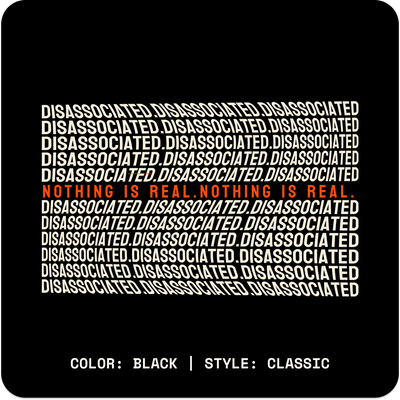
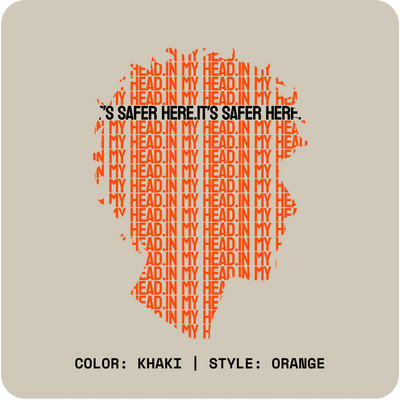
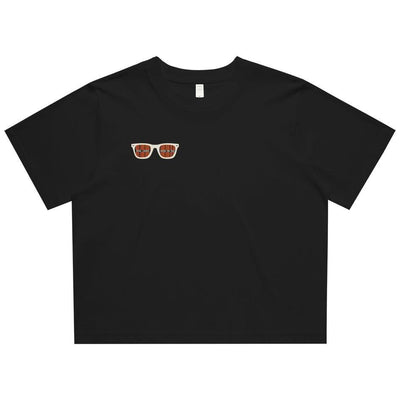
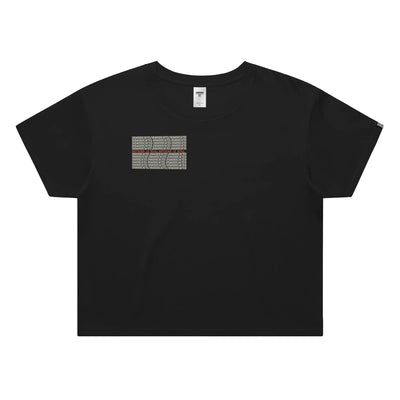
UNINSPIRED makes clothing for the ones who've been told they're a lot — and are done apologizing for it. The Overstimulated collection is for the ones running too hot in a world with no volume knob. Scan the sleeve.

Emotional Dysregulation: Why Your Reactions Don't Match the Moment

For the ones who feel everything — loudly, suddenly, completely.

For the ones who've been told they're "a lot" enough times that they started to believe it.

For the ones whose reactions don't match the scale of the situation — at least not from the outside.

What Emotional Dysregulation Actually Means

Not drama. Not immaturity. Emotional dysregulation is a difficulty managing the intensity, duration, or timing of emotional responses. The feelings themselves aren't wrong — the regulation of them is out of sync.

It shows up across a range of experiences: ADHD, PTSD, borderline personality disorder, anxiety, autism, depression, or as a standalone pattern without a clinical label. The common thread: emotional responses that feel disproportionate, that arrive fast and hard, that are difficult to bring back down, or that linger long past the situation that triggered them.

This is different from simply feeling things intensely. Lots of people feel things deeply and can still regulate. Dysregulation is what happens when the nervous system's volume knob is broken — or was never calibrated to the situations you're actually in.

What It Looks Like

Sometimes it's obvious: the outburst that surprises even you. The frustration that becomes rage. The small disappointment that becomes devastation. The moment where you can feel yourself crossing a line and can't stop it.

Sometimes it's quieter: the shutdown. Going completely flat instead of flaring up. The emotional withdrawal that looks like calm but is actually the system overriding itself because processing felt impossible. Dysregulation doesn't always look explosive. Sometimes it looks like gone.

And sometimes it's entirely internal — completely hidden from the people around you. You've learned to contain it. You sit in a meeting while your nervous system screams. You smile while something in you is on fire. You get home and the regulation effort you've been running all day crashes all at once.

Why Emotional Dysregulation Happens

The nervous system learns. Early environments shape what it expects, what it treats as threat, what triggers alarm. If you grew up in a space where emotions were unsafe — where your feelings were dismissed, punished, mocked, or used against you — your nervous system may have learned patterns that made sense then and don't fit now.

Hypervigilance. Emotional flooding. Numbness. Delayed response. All of it can be a nervous system doing exactly what it was trained to do in conditions that no longer exist. The environment changed. The patterns didn't automatically update.

For people with ADHD or autism, the neurological piece is also structural. The prefrontal cortex — the part of the brain responsible for regulation — works differently. Not defectively. Differently. The executive function system that helps most people pause between stimulus and response is less available in high-emotion moments. The flood arrives before the brake can engage.

The Cost of Masking It

When emotional dysregulation exists in environments that don't tolerate it — which is most environments — you learn to perform regulation you're not actually experiencing. You learn to contain the reaction, redirect it, or suppress it entirely until you're somewhere it's safe to let it out.

The cost is real. Emotional suppression takes energy. Serious, ongoing, significant energy. The kind that quietly depletes you across a day. The kind that leaves you exhausted after events that were supposed to be normal. The kind that makes you avoid situations where the regulation demand is too high — not because you're antisocial, but because you can already calculate the cost and it's too much.

The performance creates disconnection. When you're managing your response instead of experiencing it, you're slightly outside yourself — watching, monitoring, adjusting. It's hard to be fully present when you're also running security.

What Makes It Worse — And Better

Worse: fatigue, hunger, stress, overstimulation. When the system's resources are already low, regulation capacity shrinks. This is why the same situation that's manageable on a rested day becomes impossible on a depleted one. The capacity changed. The demand didn't.

Better: reducing the load. Understanding your triggers — not to avoid every difficult thing, but to stop being ambushed. Naming what's happening internally without adding judgment on top of the feeling. Creating a moment of pause between the feeling and the response, even a small one.

Better: environments that don't demand constant performance. Relationships where you can be in process. Less stimulation when you're already at capacity. Permission to say you're at capacity without having to justify it.

Better, slowly: building what therapists call the window of tolerance — the range of emotional intensity you can stay present inside. It expands with practice and shrinks with depletion. Knowing this is information. Not failure.

You're Not Too Much

The most persistent lie people with emotional dysregulation absorb: that they're too much. Too intense. Too reactive. Too hard to be around. That the volume of what they feel is a problem to solve rather than a nervous system doing something real with real input.

You feel things fully. You always have. The world sometimes reads that as disorder. What the world is actually working from is a calibration that doesn't account for you — one that was built for a narrower range of experience and calls everything outside it excessive.

What you feel is not evidence of dysfunction. How you've learned to carry it — the suppression, the containment, the exhaustion of performing regulation you're not experiencing — that's the cost of performing normal in environments that weren't built for how your brain works. That cost is real. And it doesn't have to mean something is wrong with you.

UNINSPIRED makes clothing for the ones who've been told they're a lot — and are done apologizing for it. The Overstimulated collection is for the ones running too hot in a world with no volume knob. Scan the sleeve.


0 comments

Leave a comment

Please note, comments must be approved before they are published

Favorites

Our most popular looks of the season

Relevant Product