Derealization: When the World Feels Like a Dream You Can't Wake Up From

For the ones who walked through a familiar room and didn't recognize it.

For the ones who watched their own hands like they belonged to someone else.

For the ones who have googled 'why does nothing feel real' at 2am and found nothing that described it right.

What derealization actually means

Derealization is the experience of perceiving the external world — your environment, other people, familiar places — as unreal, dreamlike, distant, or distorted. It's not a metaphor. The visual and perceptual experience actually shifts: things may appear flat, washed out, oddly lit, or two-dimensional. Familiar spaces feel foreign. Time moves strangely. The world you're in doesn't feel like the actual world.

It's a form of dissociation — a disconnection, in this case, between the self and the environment rather than the self and the body. It's common, it's documented, and it's significantly more distressing than the clinical language tends to convey.

Derealization vs. depersonalization

These two experiences are closely related and frequently occur together, but they're pointing at different things.

Derealization is when the world feels unreal. The environment — the room you're in, the people around you, the landscape outside — has a quality of unreality. Like a set. Like something that's being generated rather than real.

Depersonalization is when you feel unreal. The disconnection is from the self rather than the world: from the body, the thoughts, the emotional experience. Watching yourself from outside. A stranger in your own life.

Both are real, both are distressing, and both are part of the broader dissociation spectrum. Depersonalization-Derealization Disorder (DPDR) is the clinical name for when both are persistent and significantly disrupting daily functioning.

What triggers it

Derealization can be triggered by anxiety — particularly panic attacks, where it's extremely common. Sleep deprivation. Substance use. Chronic stress that has exceeded the nervous system's regulatory capacity. Trauma. Dissociative disorders. In some people it appears in response to specific sensory conditions: certain lighting, certain sounds, unfamiliar environments.

The anxiety connection is particularly important because it creates a loop. Derealization arrives during an anxiety spike. The derealization itself becomes terrifying — "what is happening, why doesn't anything feel real, am I losing my mind?" — which escalates the anxiety. The escalated anxiety produces more derealization. The loop is self-sustaining and very hard to interrupt from inside it.

What it actually feels like

The clinical description is "dreamlike." People who have experienced it will tell you that's both accurate and completely inadequate.

It's the specific wrongness of the familiar feeling foreign. Being in your apartment and having it look like a stage set. Recognizing that the people in the room are people you know and being unable to feel that recognition as real. Watching a conversation happen — including your own participation in it — from a distance that isn't spatial.

Colors often seem wrong — either too vivid or washed out. Sounds arrive with a slight delay, or at the wrong volume relative to their source. The ground doesn't feel solid in the way it normally does, even though you know it is.

And underneath all of it: the fear. The fear that this is permanent, that something has broken, that reality has actually shifted and isn't coming back. That fear is almost always unfounded — derealization episodes are almost always temporary — but it is extremely convincing from inside the experience.

Why it's not 'going crazy'

This is the thing most people need to know and can't find when they're searching for it in the middle of an episode.

Derealization is not psychosis. It's not a break from reality in the clinical sense. The person experiencing it knows the world is real — they're watching the unreality of it from a position of awareness, which is exactly what makes it so disorienting. Psychosis involves a breakdown of the ability to distinguish real from not-real. Derealization is the disturbing awareness that something that is real doesn't feel real.

It's a protective response. The nervous system, under certain kinds of overload, creates distance between the self and overwhelming input. The distance feels wrong. It was trying to help.

What helps during an episode

Grounding. The point of grounding is to bring attention back to the physical body and immediate sensory reality — to interrupt the dissociative distance with concrete, present-tense input.

Temperature. Texture. Sound. Counting. The weight of feet on the floor. Not because these things are magic, but because they provide real, current sensory data to a nervous system that has lost its grip on present-tense reality. The goal isn't to force normalcy. It's to give the system something real to organize around while it regulates.

The single most counterproductive thing: panic about the derealization itself. Which is understandable and almost universal. But the escalation is what sustains the episode. Anything that reduces the second fear — the fear of the derealization — shortens the duration.


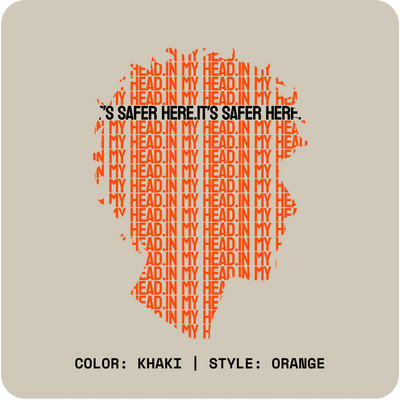
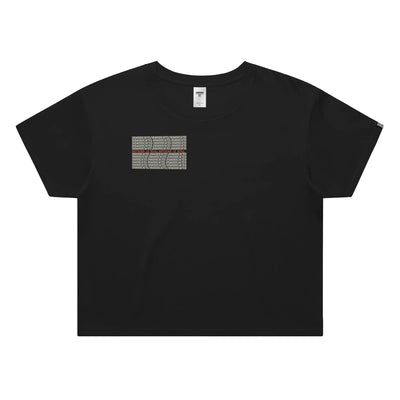
UNINSPIRED makes clothing for the ones who know what it's like to be somewhere and not quite be there. The Disassociated collection names the space between you and reality. Scan the sleeve.

Derealization: When the World Feels Like a Dream You Can't Wake Up From

For the ones who walked through a familiar room and didn't recognize it.

For the ones who watched their own hands like they belonged to someone else.

For the ones who have googled 'why does nothing feel real' at 2am and found nothing that described it right.

What derealization actually means

Derealization is the experience of perceiving the external world — your environment, other people, familiar places — as unreal, dreamlike, distant, or distorted. It's not a metaphor. The visual and perceptual experience actually shifts: things may appear flat, washed out, oddly lit, or two-dimensional. Familiar spaces feel foreign. Time moves strangely. The world you're in doesn't feel like the actual world.

It's a form of dissociation — a disconnection, in this case, between the self and the environment rather than the self and the body. It's common, it's documented, and it's significantly more distressing than the clinical language tends to convey.

Derealization vs. depersonalization

These two experiences are closely related and frequently occur together, but they're pointing at different things.

Derealization is when the world feels unreal. The environment — the room you're in, the people around you, the landscape outside — has a quality of unreality. Like a set. Like something that's being generated rather than real.

Depersonalization is when you feel unreal. The disconnection is from the self rather than the world: from the body, the thoughts, the emotional experience. Watching yourself from outside. A stranger in your own life.

Both are real, both are distressing, and both are part of the broader dissociation spectrum. Depersonalization-Derealization Disorder (DPDR) is the clinical name for when both are persistent and significantly disrupting daily functioning.

What triggers it

Derealization can be triggered by anxiety — particularly panic attacks, where it's extremely common. Sleep deprivation. Substance use. Chronic stress that has exceeded the nervous system's regulatory capacity. Trauma. Dissociative disorders. In some people it appears in response to specific sensory conditions: certain lighting, certain sounds, unfamiliar environments.

The anxiety connection is particularly important because it creates a loop. Derealization arrives during an anxiety spike. The derealization itself becomes terrifying — "what is happening, why doesn't anything feel real, am I losing my mind?" — which escalates the anxiety. The escalated anxiety produces more derealization. The loop is self-sustaining and very hard to interrupt from inside it.

What it actually feels like

The clinical description is "dreamlike." People who have experienced it will tell you that's both accurate and completely inadequate.

It's the specific wrongness of the familiar feeling foreign. Being in your apartment and having it look like a stage set. Recognizing that the people in the room are people you know and being unable to feel that recognition as real. Watching a conversation happen — including your own participation in it — from a distance that isn't spatial.

Colors often seem wrong — either too vivid or washed out. Sounds arrive with a slight delay, or at the wrong volume relative to their source. The ground doesn't feel solid in the way it normally does, even though you know it is.

And underneath all of it: the fear. The fear that this is permanent, that something has broken, that reality has actually shifted and isn't coming back. That fear is almost always unfounded — derealization episodes are almost always temporary — but it is extremely convincing from inside the experience.

Why it's not 'going crazy'

This is the thing most people need to know and can't find when they're searching for it in the middle of an episode.

Derealization is not psychosis. It's not a break from reality in the clinical sense. The person experiencing it knows the world is real — they're watching the unreality of it from a position of awareness, which is exactly what makes it so disorienting. Psychosis involves a breakdown of the ability to distinguish real from not-real. Derealization is the disturbing awareness that something that is real doesn't feel real.

It's a protective response. The nervous system, under certain kinds of overload, creates distance between the self and overwhelming input. The distance feels wrong. It was trying to help.

What helps during an episode

Grounding. The point of grounding is to bring attention back to the physical body and immediate sensory reality — to interrupt the dissociative distance with concrete, present-tense input.

Temperature. Texture. Sound. Counting. The weight of feet on the floor. Not because these things are magic, but because they provide real, current sensory data to a nervous system that has lost its grip on present-tense reality. The goal isn't to force normalcy. It's to give the system something real to organize around while it regulates.

The single most counterproductive thing: panic about the derealization itself. Which is understandable and almost universal. But the escalation is what sustains the episode. Anything that reduces the second fear — the fear of the derealization — shortens the duration.


UNINSPIRED makes clothing for the ones who know what it's like to be somewhere and not quite be there. The Disassociated collection names the space between you and reality. Scan the sleeve.


0 comments

Leave a comment

Please note, comments must be approved before they are published

Favorites

Our most popular looks of the season

Relevant Product