Depersonalization: When You Feel Like a Stranger in Your Own Life

For the ones who watched themselves give a presentation like they were sitting in the back row.

For the ones who looked in the mirror and felt like the face wasn't quite theirs.

For the ones who have been in the middle of a conversation and suddenly felt very far away from it.

What depersonalization actually is

Depersonalization is the experience of feeling detached from your own self — from your body, your thoughts, your emotions, your sense of being a person in the world. It's not a metaphor. The experience is genuinely perceptual: you feel like an observer of your own life rather than a participant in it.

It's a form of dissociation — specifically, dissociation from the self rather than from external reality (which is derealization). Both often occur together under the clinical label Depersonalization-Derealization Disorder (DPDR), but they're describing different targets of the same disconnection mechanism: derealization is when the world feels unreal, depersonalization is when you feel unreal.

It's extremely common as a transient experience — the majority of people have had a momentary episode at some point — and significantly less common as a persistent condition. But even brief episodes can be profoundly disorienting, partly because there's no clear cultural vocabulary for describing them.

What the experience actually feels like

The descriptions cluster around certain images: watching yourself from above or from outside. Being in a movie of your own life. The glass wall — the sense that there's a membrane between you and what you're experiencing that makes it feel slightly removed, observed, not quite real.

Thoughts arrive and feel like they're happening at a slight distance. Emotions register but feel attenuated — you know you should feel something, and some signal is present, but it's quieter than it should be, like hearing sound through a door. The body moves and does things, but the sense of being the one moving it, the continuity of self that makes action feel intentional — that's the thing that's gone missing.

For people who experience it for the first time without context, it's extremely frightening. The absence of the normal sense of self reads as evidence that something has broken. The fear then intensifies the episode, because anxiety is one of the primary triggers for dissociative states, and the anxious monitoring of the depersonalization keeps the nervous system in exactly the activated state that sustains it.

Why it happens

Depersonalization is a dissociative response — a way the nervous system creates distance from overwhelming input. The input can be acute (panic, trauma, extreme stress, substance use) or chronic (sustained anxiety, sleep deprivation, ongoing emotional overload).

The mechanism is protective: the nervous system, unable to process the level of input at full intensity, creates a buffer. The buffer is what depersonalization feels like from the inside. The experience that feels like malfunction is the system attempting to regulate.

In anxiety disorders, depersonalization appears frequently as part of panic attacks or as a chronic companion to high-level anxiety states. The hypervigilant nervous system, persistently scanning for threat, sometimes turns that scanning inward — and the result is a kind of over-observation of the self that disrupts the normally automatic sense of being a continuous, embodied person.

The fear spiral that keeps it going

The most significant factor in the persistence of depersonalization episodes is usually the fear of the depersonalization itself.

The episode arrives. It feels alarming. The mind tries to understand what's happening, checks whether it's real, monitors whether it's still happening, searches for evidence that it's getting worse or better. All of this monitoring is attention paid to the experience — which keeps it foregrounded, which keeps the nervous system focused on it, which sustains the very state that's producing the experience.

The counterintuitive intervention: reducing engagement with the experience. Not suppressing it — suppression activates the same monitoring processes. Allowing it to be there without making it a crisis. The experience is temporary. The system is doing something. It will resolve.

What it's not

It's not psychosis. It's not going crazy. The defining feature of psychosis is loss of contact with reality. Depersonalization is the disturbing, hyper-aware experience of the self feeling unreal — which requires full contact with reality to notice. The awareness of the unreality is itself the evidence that the person hasn't lost their grip on it.

It's not a sign of permanent damage. Episodes resolve. The self comes back. The sense of continuity and embodiment that was temporarily interrupted is not gone — it's buffered. The buffer lifts.

Living with persistent DPDR

When depersonalization is not transient but persistent — when the disconnection from self is the baseline rather than the exception — that's when clinical support becomes important. Persistent DPDR significantly disrupts quality of life in ways that isolated episodes don't, and it responds to specific therapeutic approaches, particularly those that work with the nervous system directly rather than through analysis and insight alone.

If what's described here is the ambient texture of daily life rather than an occasional episode, that's worth naming to someone who can actually help with it. The experience is documented, it's understood, and it doesn't have to be the permanent setting.


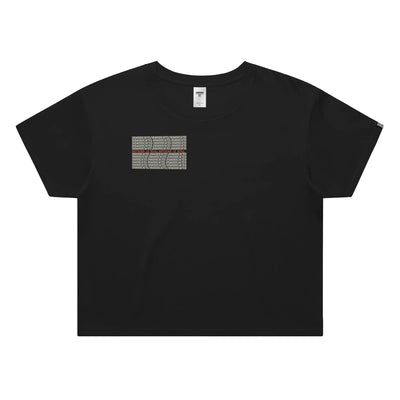
UNINSPIRED makes clothing for the ones who know what it's like to be somewhere and feel like a spectator of it. The Disassociated collection names the distance you couldn't. Scan the sleeve.

Depersonalization: When You Feel Like a Stranger in Your Own Life

For the ones who watched themselves give a presentation like they were sitting in the back row.

For the ones who looked in the mirror and felt like the face wasn't quite theirs.

For the ones who have been in the middle of a conversation and suddenly felt very far away from it.

What depersonalization actually is

Depersonalization is the experience of feeling detached from your own self — from your body, your thoughts, your emotions, your sense of being a person in the world. It's not a metaphor. The experience is genuinely perceptual: you feel like an observer of your own life rather than a participant in it.

It's a form of dissociation — specifically, dissociation from the self rather than from external reality (which is derealization). Both often occur together under the clinical label Depersonalization-Derealization Disorder (DPDR), but they're describing different targets of the same disconnection mechanism: derealization is when the world feels unreal, depersonalization is when you feel unreal.

It's extremely common as a transient experience — the majority of people have had a momentary episode at some point — and significantly less common as a persistent condition. But even brief episodes can be profoundly disorienting, partly because there's no clear cultural vocabulary for describing them.

What the experience actually feels like

The descriptions cluster around certain images: watching yourself from above or from outside. Being in a movie of your own life. The glass wall — the sense that there's a membrane between you and what you're experiencing that makes it feel slightly removed, observed, not quite real.

Thoughts arrive and feel like they're happening at a slight distance. Emotions register but feel attenuated — you know you should feel something, and some signal is present, but it's quieter than it should be, like hearing sound through a door. The body moves and does things, but the sense of being the one moving it, the continuity of self that makes action feel intentional — that's the thing that's gone missing.

For people who experience it for the first time without context, it's extremely frightening. The absence of the normal sense of self reads as evidence that something has broken. The fear then intensifies the episode, because anxiety is one of the primary triggers for dissociative states, and the anxious monitoring of the depersonalization keeps the nervous system in exactly the activated state that sustains it.

Why it happens

Depersonalization is a dissociative response — a way the nervous system creates distance from overwhelming input. The input can be acute (panic, trauma, extreme stress, substance use) or chronic (sustained anxiety, sleep deprivation, ongoing emotional overload).

The mechanism is protective: the nervous system, unable to process the level of input at full intensity, creates a buffer. The buffer is what depersonalization feels like from the inside. The experience that feels like malfunction is the system attempting to regulate.

In anxiety disorders, depersonalization appears frequently as part of panic attacks or as a chronic companion to high-level anxiety states. The hypervigilant nervous system, persistently scanning for threat, sometimes turns that scanning inward — and the result is a kind of over-observation of the self that disrupts the normally automatic sense of being a continuous, embodied person.

The fear spiral that keeps it going

The most significant factor in the persistence of depersonalization episodes is usually the fear of the depersonalization itself.

The episode arrives. It feels alarming. The mind tries to understand what's happening, checks whether it's real, monitors whether it's still happening, searches for evidence that it's getting worse or better. All of this monitoring is attention paid to the experience — which keeps it foregrounded, which keeps the nervous system focused on it, which sustains the very state that's producing the experience.

The counterintuitive intervention: reducing engagement with the experience. Not suppressing it — suppression activates the same monitoring processes. Allowing it to be there without making it a crisis. The experience is temporary. The system is doing something. It will resolve.

What it's not

It's not psychosis. It's not going crazy. The defining feature of psychosis is loss of contact with reality. Depersonalization is the disturbing, hyper-aware experience of the self feeling unreal — which requires full contact with reality to notice. The awareness of the unreality is itself the evidence that the person hasn't lost their grip on it.

It's not a sign of permanent damage. Episodes resolve. The self comes back. The sense of continuity and embodiment that was temporarily interrupted is not gone — it's buffered. The buffer lifts.

Living with persistent DPDR

When depersonalization is not transient but persistent — when the disconnection from self is the baseline rather than the exception — that's when clinical support becomes important. Persistent DPDR significantly disrupts quality of life in ways that isolated episodes don't, and it responds to specific therapeutic approaches, particularly those that work with the nervous system directly rather than through analysis and insight alone.

If what's described here is the ambient texture of daily life rather than an occasional episode, that's worth naming to someone who can actually help with it. The experience is documented, it's understood, and it doesn't have to be the permanent setting.


UNINSPIRED makes clothing for the ones who know what it's like to be somewhere and feel like a spectator of it. The Disassociated collection names the distance you couldn't. Scan the sleeve.


0 comments

Leave a comment

Please note, comments must be approved before they are published

Favorites

Our most popular looks of the season

Relevant Product