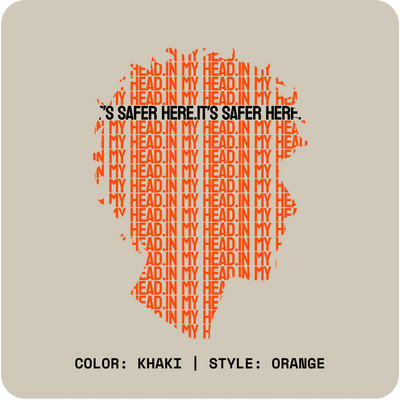
For the ones whose coping mechanisms are not the ones that appear in the list.
For the ones who know the difference between what helps and what gets you through the next two hours, and have made peace with needing both.
For the ones who've been told their coping strategy is wrong and have noticed that the people saying so have never been in the specific situation it was developed for.
What Coping Mechanisms Are
A coping mechanism is any behavior, thought pattern, or strategy that helps manage stress, emotional pain, or difficult circumstances. The category is large. It includes everything from meditation to going for a walk to eating an entire bag of chips to calling a friend to disappearing into a show for four hours to dissociating mildly in a meeting.
Coping mechanisms exist on a spectrum from highly adaptive (dealing with the source of the stress, building long-term resilience) to maladaptive (managing the immediate pain at cost to long-term wellbeing). Most people use a mix. Most people's mix is more complicated than the list in any wellness post.
The Taxonomy Nobody Gives You
Problem-focused coping addresses the source of the stress directly. Solving the problem, taking action, making a plan. This works well when the stressor is something you actually have the ability to change.
Emotion-focused coping addresses how you feel about the stressor rather than the stressor itself. Reframing, accepting, seeking support, processing emotionally. This works well when the stressor isn't something you can change — grief, uncertainty, structural problems larger than any individual action.
Avoidance coping manages the distress by not engaging with it. Distraction, numbing, postponing the feeling. This gets named maladaptive, and chronic avoidance is genuinely problematic. But short-term avoidance — "I cannot process this right now and I'm going to set it aside until I can" — is often the only functional option in the middle of something that can't be paused.
Most people use all three, situationally. The problem isn't any specific type. The problem is when one type becomes the only type regardless of what the situation calls for.
The Ones Nobody Lists
Wellness content tends to present a version of coping that is aspirational. Journaling. Breathing exercises. Time in nature. These are real and they work. They also require a certain level of baseline stability to access. When the nervous system is in crisis, the journaling prompt isn't what you're reaching for.
The actual coping mechanisms people use:
Humor. Specifically the dark kind — the jokes that are funny because the alternative is not laughing. Humor is a sophisticated cognitive mechanism that allows emotional distance from painful material without suppressing it entirely. It's underrated.
Routines and rituals. The comfort of predictable small things when larger things are unpredictable. The same coffee order. The same playlist. The walk that takes the same route. These are not failures of coping. They're stabilizing structures.
Controlled distraction. Not avoidance of the problem forever — strategic use of something absorbing to give the nervous system a break from sustained distress. The show, the game, the rabbit hole that provides a window of genuine non-suffering before returning to the hard thing.
Caffeine and stimulants, genuinely. The connection between anxiety, exhaustion, ADHD, and caffeine is real and not simple. For a lot of people, caffeine is functioning as self-medication for ADHD, as a way of managing the flatness of depression, as a coping tool that happens to also be widely socially acceptable. It has costs. It also works.
What Makes a Coping Mechanism 'Good'
The question isn't whether a coping mechanism is on the approved list. It's whether it's sustainable, whether it's the only thing in the toolkit, and whether its costs are proportionate to what it's doing for you.
A coping mechanism that gets you through a genuinely terrible period without causing lasting harm is doing its job. One that's become the default setting for every kind of distress, regardless of whether the distress requires a different kind of response, is worth examining.
The goal isn't a perfect toolkit. It's a varied one — a range of tools for a range of situations, including some that are just for getting through the next two hours.
For the ones whose coping mechanisms aren't on the wellness list — the thing that got you through was the right thing for what you were in. Refinement is for when there's room for it. Survival is for now.
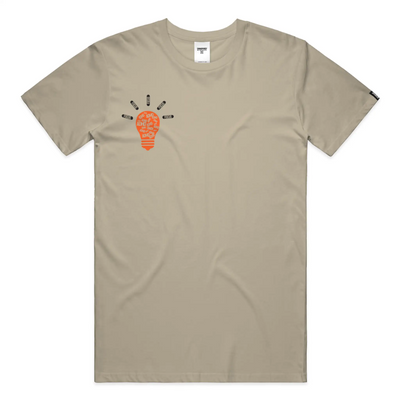
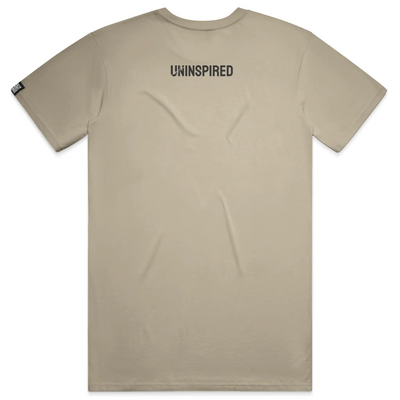
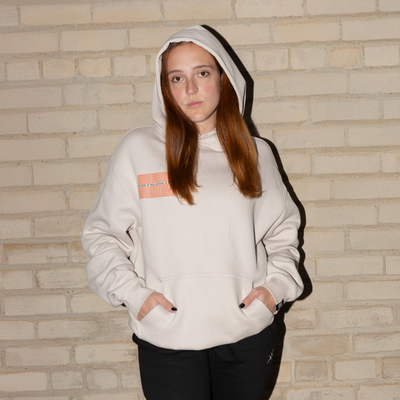
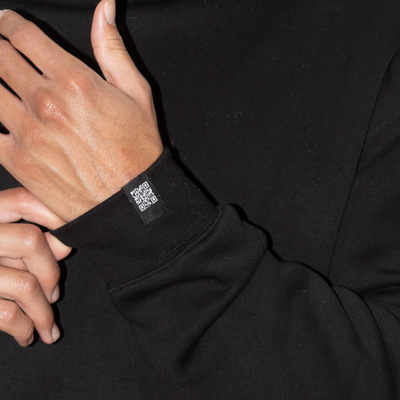
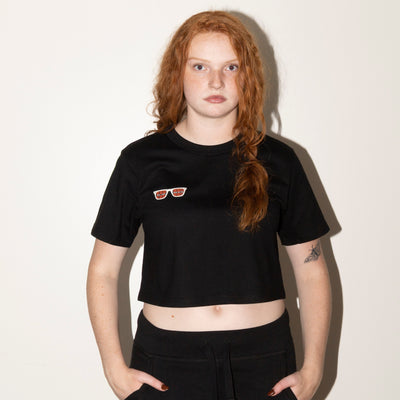
UNINSPIRED makes clothing for the ones who cope however they need to. The Caffeine & Coping hoodie gets it. Scan the sleeve.