Chronic Stress: When Your Nervous System Forgets How to Turn Off

For the ones who can't remember the last time they felt actually okay.

For the ones who go on vacation and spend three days waiting for it to kick in.

For the ones who have been stressed for so long that stressed is just the baseline now.

What chronic stress actually is

Stress is a biological response to perceived threat or demand — a cascade of hormones, primarily cortisol and adrenaline, that mobilize the body for action. Heart rate increases. Attention narrows. Digestion slows. Non-essential functions get deprioritized. The body is ready.

This response is adaptive. It evolved to handle acute threats: the danger that requires immediate action, resolved in minutes or hours, after which the body returns to a regulated baseline.

Chronic stress is what happens when the stress response doesn't turn off. When the demand is not an acute threat but an ongoing condition — financial pressure, relational conflict, workplace strain, global instability, the sustained low-level overwhelm of modern life — the stress hormones remain elevated. The body stays ready. The baseline shifts. What was supposed to be a temporary emergency state becomes the permanent setting.

What chronic stress does to the body

The stress response was designed to be short. Sustained activation produces costs across multiple systems.

Sleep disruption. Cortisol elevation interferes with the hormonal cycling that governs sleep architecture. The body that should be winding down in the evening stays alert. The sleep that arrives is shallower, less restorative, producing fatigue that compounds over time.

Immune suppression. Sustained cortisol reduces immune function — a feature, not a bug, in acute stress (the immune response is expensive and can wait until the threat passes). A problem when the threat doesn't pass. The person under chronic stress gets sick more often and recovers more slowly.

Cognitive effects. Chronic cortisol exposure affects the hippocampus, which is involved in memory and learning, and the prefrontal cortex, which handles executive function, decision-making, and emotional regulation. The cognitive signs of chronic stress — forgetfulness, difficulty concentrating, emotional reactivity, the sense that thinking is harder than it should be — are not anxiety making things up. They're the documented neurological effects of a brain operating under sustained chemical stress.

Why rest stops working

One of the most disorienting features of chronic stress is that the strategies designed to reduce it stop working as expected.

Sleep helps but doesn't restore. Vacation provides temporary relief but the stress is waiting when you return — and for many people, the transition back from vacation produces a specific, acute dread that arrives on the last day and confirms that nothing was actually resolved. Exercise helps in the moment and then the cortisol climbs back. The interventions are treating symptoms while the condition runs unchanged underneath.

This is the key distinction: acute stress responds to rest. Chronic stress requires changing the conditions that are producing it, not just managing the effects.

When chronic stress becomes the normal

The nervous system adapts. After a sustained period of elevated stress, the regulated state — the genuine, unactivated baseline — starts to feel unfamiliar. Possibly even uncomfortable. The activated state has become so normative that its absence reads as something wrong.

People in this state often describe finally having a quiet moment and feeling immediately restless, anxious for no reason, or compelled to do something. The stillness doesn't feel like rest. It feels like waiting.

The nervous system has learned that activation is the baseline. Deactivation sets off an alarm. The alarm is a false positive — the body signaling threat in the absence of threat because the absence of activation now reads as anomalous. Getting back to genuine rest requires the nervous system to relearn that safety is actually safe — and that takes longer than a weekend.

The invisible load

Chronic stress often goes unrecognized because it doesn't announce itself with drama. It shows up as: exhaustion that doesn't resolve, low-grade irritability, a shortened fuse, the sense that everything requires slightly more effort than it should. The absence of the thing that used to be present — ease, spontaneity, genuine enjoyment of things that previously generated it.

Because there's no acute crisis to point to, and because the body has adapted to the level of demand as its new normal, the person often doesn't identify it as stress. They describe it as "just being tired" or "not being a morning person anymore" or "getting older." The body is describing something more specific: a system that has been running above sustainable capacity for long enough that it has forgotten what sustainable feels like.


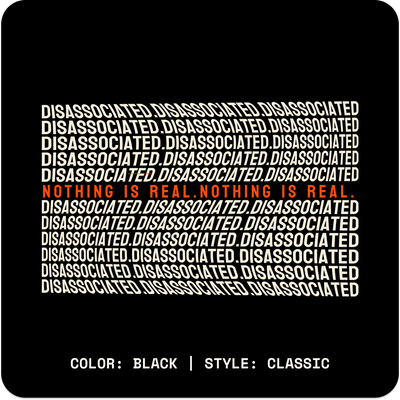
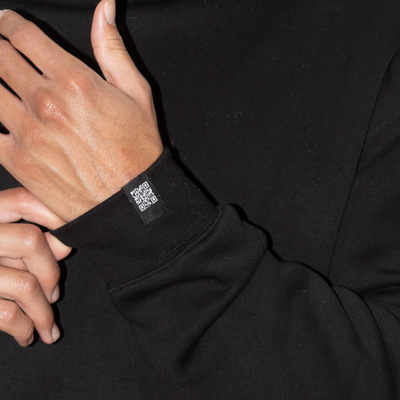
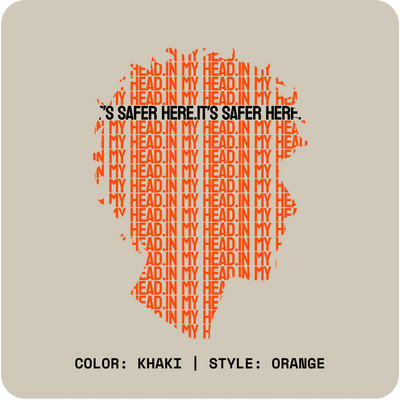
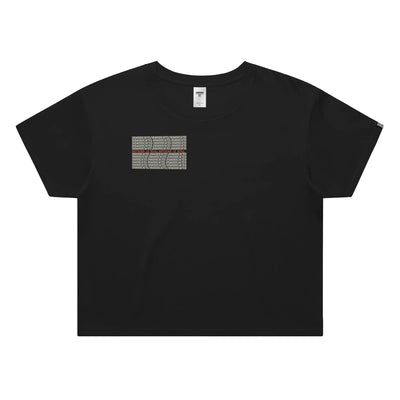
UNINSPIRED makes clothing for the ones who can't locate the off switch. The Overstimulated collection names what the body's been trying to say. Scan the sleeve.

Chronic Stress: When Your Nervous System Forgets How to Turn Off

For the ones who can't remember the last time they felt actually okay.

For the ones who go on vacation and spend three days waiting for it to kick in.

For the ones who have been stressed for so long that stressed is just the baseline now.

What chronic stress actually is

Stress is a biological response to perceived threat or demand — a cascade of hormones, primarily cortisol and adrenaline, that mobilize the body for action. Heart rate increases. Attention narrows. Digestion slows. Non-essential functions get deprioritized. The body is ready.

This response is adaptive. It evolved to handle acute threats: the danger that requires immediate action, resolved in minutes or hours, after which the body returns to a regulated baseline.

Chronic stress is what happens when the stress response doesn't turn off. When the demand is not an acute threat but an ongoing condition — financial pressure, relational conflict, workplace strain, global instability, the sustained low-level overwhelm of modern life — the stress hormones remain elevated. The body stays ready. The baseline shifts. What was supposed to be a temporary emergency state becomes the permanent setting.

What chronic stress does to the body

The stress response was designed to be short. Sustained activation produces costs across multiple systems.

Sleep disruption. Cortisol elevation interferes with the hormonal cycling that governs sleep architecture. The body that should be winding down in the evening stays alert. The sleep that arrives is shallower, less restorative, producing fatigue that compounds over time.

Immune suppression. Sustained cortisol reduces immune function — a feature, not a bug, in acute stress (the immune response is expensive and can wait until the threat passes). A problem when the threat doesn't pass. The person under chronic stress gets sick more often and recovers more slowly.

Cognitive effects. Chronic cortisol exposure affects the hippocampus, which is involved in memory and learning, and the prefrontal cortex, which handles executive function, decision-making, and emotional regulation. The cognitive signs of chronic stress — forgetfulness, difficulty concentrating, emotional reactivity, the sense that thinking is harder than it should be — are not anxiety making things up. They're the documented neurological effects of a brain operating under sustained chemical stress.

Why rest stops working

One of the most disorienting features of chronic stress is that the strategies designed to reduce it stop working as expected.

Sleep helps but doesn't restore. Vacation provides temporary relief but the stress is waiting when you return — and for many people, the transition back from vacation produces a specific, acute dread that arrives on the last day and confirms that nothing was actually resolved. Exercise helps in the moment and then the cortisol climbs back. The interventions are treating symptoms while the condition runs unchanged underneath.

This is the key distinction: acute stress responds to rest. Chronic stress requires changing the conditions that are producing it, not just managing the effects.

When chronic stress becomes the normal

The nervous system adapts. After a sustained period of elevated stress, the regulated state — the genuine, unactivated baseline — starts to feel unfamiliar. Possibly even uncomfortable. The activated state has become so normative that its absence reads as something wrong.

People in this state often describe finally having a quiet moment and feeling immediately restless, anxious for no reason, or compelled to do something. The stillness doesn't feel like rest. It feels like waiting.

The nervous system has learned that activation is the baseline. Deactivation sets off an alarm. The alarm is a false positive — the body signaling threat in the absence of threat because the absence of activation now reads as anomalous. Getting back to genuine rest requires the nervous system to relearn that safety is actually safe — and that takes longer than a weekend.

The invisible load

Chronic stress often goes unrecognized because it doesn't announce itself with drama. It shows up as: exhaustion that doesn't resolve, low-grade irritability, a shortened fuse, the sense that everything requires slightly more effort than it should. The absence of the thing that used to be present — ease, spontaneity, genuine enjoyment of things that previously generated it.

Because there's no acute crisis to point to, and because the body has adapted to the level of demand as its new normal, the person often doesn't identify it as stress. They describe it as "just being tired" or "not being a morning person anymore" or "getting older." The body is describing something more specific: a system that has been running above sustainable capacity for long enough that it has forgotten what sustainable feels like.


UNINSPIRED makes clothing for the ones who can't locate the off switch. The Overstimulated collection names what the body's been trying to say. Scan the sleeve.


0 comments

Leave a comment

Please note, comments must be approved before they are published

Favorites

Our most popular looks of the season

Relevant Product