Caffeine and Anxiety: What Your Coffee Habit Is Actually Saying

For the ones who know their anxiety is bad but still make the coffee.

For the ones who googled "does coffee cause anxiety" while drinking coffee.

For the ones who can't function without it and can't function with it.

This one's for you.


Does Caffeine Cause Anxiety?

The short answer is: it can. The longer answer is more complicated — and more interesting than just "caffeine bad, cut it out."

Caffeine is a stimulant. It works by blocking adenosine receptors in your brain — adenosine is the chemical that makes you feel tired. Block those receptors and your brain stays alert. It also triggers a small release of dopamine and adrenaline, which is why coffee feels good for about twenty minutes before it feels like too much.

For people with anxiety, that adrenaline spike isn't just stimulation. It's indistinguishable from the early physical symptoms of an anxiety attack: elevated heart rate, shallow breathing, increased alertness, a low hum of urgency that your brain interprets as something is wrong.

Your brain doesn't know the difference between caffeine-induced adrenaline and threat-response adrenaline. It just knows something's activated. And if your baseline is already anxious, caffeine turns the volume up on something that was already too loud.


Caffeine and Anxiety: Why It Hits Different for Some People

Not everyone has the same response to caffeine. Genetics play a role — specifically, how quickly your liver metabolizes it. Slow metabolizers can feel the effects of a single coffee for six to eight hours. Fast metabolizers process it quickly and barely notice.

People with anxiety disorders, ADHD, or a history of trauma tend to have nervous systems that are already running closer to the edge. The threshold between "fine" and "too much" is narrower. Caffeine doesn't create the anxiety, but it can push a system that's already near capacity past the point where it can hold it together.

There's also the dependency loop: caffeine disrupts sleep, poor sleep worsens anxiety, worse anxiety increases the urge to use caffeine to function, which disrupts sleep again. A lot of people are trapped in this cycle without realizing that the thing helping them get through the day is part of why the day is so hard to get through.


ADHD, Caffeine, and Why It's More Complicated

If you have ADHD, your relationship with caffeine is probably complicated in a specific way.

Caffeine is a mild stimulant, and stimulants are one of the primary treatment mechanisms for ADHD — they increase dopamine availability in the prefrontal cortex, which helps with attention regulation. This is why some people with ADHD find that coffee paradoxically calms them down rather than wiring them up. Their nervous system was under-stimulated; the caffeine brings it to a functional baseline.

But it's not a clean fix. Caffeine doesn't work the same way as ADHD medication. The dopamine it releases is less targeted and the crash is harder. And for people with ADHD who also have anxiety — which is common — the stimulant effects of caffeine can amplify the anxiety without delivering the sustained focus.

The result is a lot of people with ADHD who are simultaneously wired and exhausted, using caffeine to compensate for a brain that was never going to get what it needed from coffee.


How Long Does Caffeine Anxiety Last?

Caffeine has a half-life of about five to six hours in most adults. That means if you have a coffee at noon, roughly half the caffeine is still active at 6pm. The anxiety symptoms that come with it can last just as long.

For slow metabolizers or people who are particularly sensitive, the effects can stretch significantly longer — eight hours, sometimes more. This is part of why afternoon coffee tanks sleep quality even when it doesn't feel like it's keeping you awake: the stimulant effect is still active, even if it's no longer perceptible as alertness.

The anxiety response specifically can linger past the physical stimulation, because once your nervous system has activated a stress response, it doesn't automatically switch off when the trigger is gone. You have to actively come down.


Coffee for Anxiety: The Coping Paradox

Here's the part nobody talks about.

A lot of people use caffeine as a coping mechanism — not for energy, but for mood. The initial dopamine hit from coffee genuinely does feel like relief. It feels like getting on top of things. It feels like being able to handle the day.

And when you're anxious, depressed, overstimulated, or running on empty, that feeling is compelling enough that the crash that comes after it feels worth it. At least for the hour.

This is the caffeine and coping paradox: the thing that briefly makes the anxiety manageable is also making it worse. And because the relief is immediate and the cost is delayed, the brain keeps choosing the coffee.

This isn't a character flaw. It's how short-term coping loops work. The brain is making a rational calculation with incomplete information — the immediate relief is real, the cumulative cost is invisible until it isn't.


What Actually Helps

Not: quit caffeine immediately and replace it with chamomile tea.

What actually tends to be true:

Timing matters more than amount. Caffeine before noon hits differently than caffeine at 3pm. Your cortisol is naturally higher in the morning and starts dropping by early afternoon — caffeine on top of elevated cortisol intensifies the anxiety response. Shifting caffeine earlier can reduce the anxiety symptoms without eliminating the thing that makes the morning bearable.

Food first matters. Caffeine on an empty stomach hits faster and harder. The anxiety response is stronger when blood sugar is unstable.

Knowing what you're actually tired from matters. Sometimes the exhaustion caffeine is compensating for isn't physical — it's the weight of performing fine when you're not. That's a different kind of tired. Coffee doesn't touch it.


For the ones who are going to keep drinking the coffee anyway — at least now you know what it's actually doing.

The awareness doesn't fix it. But it's still yours to have.


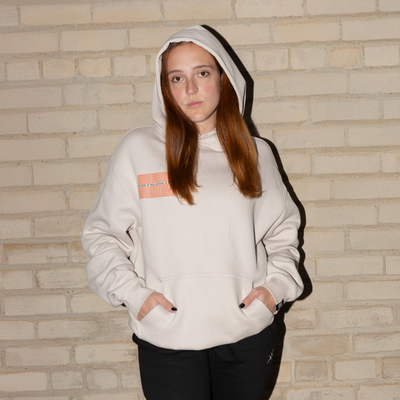
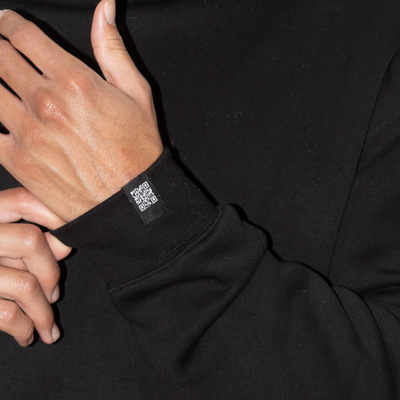
UNINSPIRED makes clothing for the ones running on caffeine and coping mechanisms. The Caffeine & Coping hoodie gets it. Scan the sleeve — there's more inside.

Caffeine and Anxiety: What Your Coffee Habit Is Actually Saying

For the ones who know their anxiety is bad but still make the coffee.

For the ones who googled "does coffee cause anxiety" while drinking coffee.

For the ones who can't function without it and can't function with it.

This one's for you.


Does Caffeine Cause Anxiety?

The short answer is: it can. The longer answer is more complicated — and more interesting than just "caffeine bad, cut it out."

Caffeine is a stimulant. It works by blocking adenosine receptors in your brain — adenosine is the chemical that makes you feel tired. Block those receptors and your brain stays alert. It also triggers a small release of dopamine and adrenaline, which is why coffee feels good for about twenty minutes before it feels like too much.

For people with anxiety, that adrenaline spike isn't just stimulation. It's indistinguishable from the early physical symptoms of an anxiety attack: elevated heart rate, shallow breathing, increased alertness, a low hum of urgency that your brain interprets as something is wrong.

Your brain doesn't know the difference between caffeine-induced adrenaline and threat-response adrenaline. It just knows something's activated. And if your baseline is already anxious, caffeine turns the volume up on something that was already too loud.


Caffeine and Anxiety: Why It Hits Different for Some People

Not everyone has the same response to caffeine. Genetics play a role — specifically, how quickly your liver metabolizes it. Slow metabolizers can feel the effects of a single coffee for six to eight hours. Fast metabolizers process it quickly and barely notice.

People with anxiety disorders, ADHD, or a history of trauma tend to have nervous systems that are already running closer to the edge. The threshold between "fine" and "too much" is narrower. Caffeine doesn't create the anxiety, but it can push a system that's already near capacity past the point where it can hold it together.

There's also the dependency loop: caffeine disrupts sleep, poor sleep worsens anxiety, worse anxiety increases the urge to use caffeine to function, which disrupts sleep again. A lot of people are trapped in this cycle without realizing that the thing helping them get through the day is part of why the day is so hard to get through.


ADHD, Caffeine, and Why It's More Complicated

If you have ADHD, your relationship with caffeine is probably complicated in a specific way.

Caffeine is a mild stimulant, and stimulants are one of the primary treatment mechanisms for ADHD — they increase dopamine availability in the prefrontal cortex, which helps with attention regulation. This is why some people with ADHD find that coffee paradoxically calms them down rather than wiring them up. Their nervous system was under-stimulated; the caffeine brings it to a functional baseline.

But it's not a clean fix. Caffeine doesn't work the same way as ADHD medication. The dopamine it releases is less targeted and the crash is harder. And for people with ADHD who also have anxiety — which is common — the stimulant effects of caffeine can amplify the anxiety without delivering the sustained focus.

The result is a lot of people with ADHD who are simultaneously wired and exhausted, using caffeine to compensate for a brain that was never going to get what it needed from coffee.


How Long Does Caffeine Anxiety Last?

Caffeine has a half-life of about five to six hours in most adults. That means if you have a coffee at noon, roughly half the caffeine is still active at 6pm. The anxiety symptoms that come with it can last just as long.

For slow metabolizers or people who are particularly sensitive, the effects can stretch significantly longer — eight hours, sometimes more. This is part of why afternoon coffee tanks sleep quality even when it doesn't feel like it's keeping you awake: the stimulant effect is still active, even if it's no longer perceptible as alertness.

The anxiety response specifically can linger past the physical stimulation, because once your nervous system has activated a stress response, it doesn't automatically switch off when the trigger is gone. You have to actively come down.


Coffee for Anxiety: The Coping Paradox

Here's the part nobody talks about.

A lot of people use caffeine as a coping mechanism — not for energy, but for mood. The initial dopamine hit from coffee genuinely does feel like relief. It feels like getting on top of things. It feels like being able to handle the day.

And when you're anxious, depressed, overstimulated, or running on empty, that feeling is compelling enough that the crash that comes after it feels worth it. At least for the hour.

This is the caffeine and coping paradox: the thing that briefly makes the anxiety manageable is also making it worse. And because the relief is immediate and the cost is delayed, the brain keeps choosing the coffee.

This isn't a character flaw. It's how short-term coping loops work. The brain is making a rational calculation with incomplete information — the immediate relief is real, the cumulative cost is invisible until it isn't.


What Actually Helps

Not: quit caffeine immediately and replace it with chamomile tea.

What actually tends to be true:

Timing matters more than amount. Caffeine before noon hits differently than caffeine at 3pm. Your cortisol is naturally higher in the morning and starts dropping by early afternoon — caffeine on top of elevated cortisol intensifies the anxiety response. Shifting caffeine earlier can reduce the anxiety symptoms without eliminating the thing that makes the morning bearable.

Food first matters. Caffeine on an empty stomach hits faster and harder. The anxiety response is stronger when blood sugar is unstable.

Knowing what you're actually tired from matters. Sometimes the exhaustion caffeine is compensating for isn't physical — it's the weight of performing fine when you're not. That's a different kind of tired. Coffee doesn't touch it.


For the ones who are going to keep drinking the coffee anyway — at least now you know what it's actually doing.

The awareness doesn't fix it. But it's still yours to have.


UNINSPIRED makes clothing for the ones running on caffeine and coping mechanisms. The Caffeine & Coping hoodie gets it. Scan the sleeve — there's more inside.


0 comments

Leave a comment

Please note, comments must be approved before they are published

Favorites

Our most popular looks of the season

Relevant Product