Burnout vs. Depression: What's the Difference and Why It Matters

For the ones who aren't sure if they're exhausted or something more than exhausted.

For the ones who've been resting for weeks and still feel nothing.

For the ones who used to care and can't remember when that stopped.

Why the Distinction Matters

Burnout and depression share a lot of the same surface features. Exhaustion. Numbness. Withdrawal. Loss of motivation. Difficulty doing things that used to feel easy. They can look identical from the outside — and sometimes from the inside too.

But they're different in ways that affect what actually helps. Burnout responds to rest and reduced demand. Depression often doesn't — or does so only partially. Getting the distinction right matters not because one is worse than the other, but because misreading which one you're dealing with keeps you from getting what you actually need.

And these things can coexist. Burnout can lead to depression. Depression can make you more vulnerable to burnout. The overlap is real. What follows isn't a clinical diagnosis tool — it's a map. A starting place.

What Burnout Is

Burnout is a state of chronic exhaustion resulting from sustained, excessive stress — most commonly, though not exclusively, related to work or caregiving demands that have exceeded your capacity for too long. The World Health Organization recognizes it as an occupational phenomenon, characterized by three things: emotional exhaustion, depersonalization (a sense of detachment or cynicism), and reduced efficacy (feeling like you're not effective even when you're showing up).

Burnout is context-specific. It's tied to specific demands. Remove the person from the burnout context — the job, the caregiving role, the pressure source — and something shifts. Not immediately, not fully, but the trajectory changes. Rest and recovery are possible when the demand is removed.

What burnout feels like: empty, not sad. Cynical. Checked out. Specifically, noticeably worse in the context that created it. You might feel okay on vacation and depleted the moment you return. The improvement in different contexts is a signal.

What Depression Is

Depression is a mood disorder — a clinical condition characterized by persistent low mood, loss of interest or pleasure in activities that previously mattered, changes in sleep, appetite, concentration, and energy, and often a pervasive sense of worthlessness or hopelessness. Unlike burnout, depression doesn't resolve with rest or context change. The vacation doesn't help. The break doesn't lift it.

Depression is also more comprehensive. Burnout tends to be localized — to a domain, a role, a specific overwhelming situation. Depression colors everything. It's in how the morning feels before any task has been presented. It's in the absence of interest in things that have nothing to do with the source of pressure.

Depression often involves cognitive features that burnout typically doesn't: persistent thoughts of worthlessness, guilt that doesn't have an obvious external referent, a general sense that things won't get better. The emotional flatness isn't tied to a specific context. It's just present.

The Overlap Is Real

Burnout, sustained long enough, can develop into depression. When the system has been depleted for long enough, when rest hasn't happened, when the demands haven't reduced — the physical and neurological effects of chronic stress can shift the picture from situational exhaustion to clinical depression.

Depression can also masquerade as burnout, particularly for people who are achievement-oriented. If your identity is built around productivity and performance, admitting to depression can feel more threatening than explaining your flatness as overwork. So the narrative becomes: I'm just burned out. And the depression goes unaddressed.

The other direction: burnout in someone who already has a history of depression can drop them back into a depressive episode. The depletion lowers the floor.

Signals That Point Toward Burnout

You feel better in contexts that remove the pressure. You can identify a specific domain or period when things got worse. Rest helps, even if slowly. The cynicism and detachment are specific to certain areas of your life, not global. You can still feel positive emotion in situations unrelated to the burnout source.

Signals That Point Toward Depression

Rest doesn't help, or helps minimally. The flatness is global — not tied to a specific context. Activities that normally bring you some joy or relief don't. Intrusive thoughts about worthlessness or hopelessness. Changes in sleep, appetite, or concentration that are significant and sustained. The low mood has been present for weeks or more, with most days feeling affected.

These signals point toward talking to a professional. Not as a last resort — as an information-gathering step. Getting an accurate picture of what's actually happening changes what you do about it.

The Hardest Part

Not knowing which one it is. Being in the middle of something that's heavy and depleted and not being sure if you need a week off or actual support. That uncertainty is real. And for high-functioning people especially, there's a tendency to default to the burnout explanation — because burnout is something you can manage, and depression is something that requires admitting that managing alone isn't working.

You don't have to know with certainty before doing anything. You can rest and see what changes. You can reach out and see what emerges. The question isn't which label applies. The question is what you actually need, and whether you're getting it.

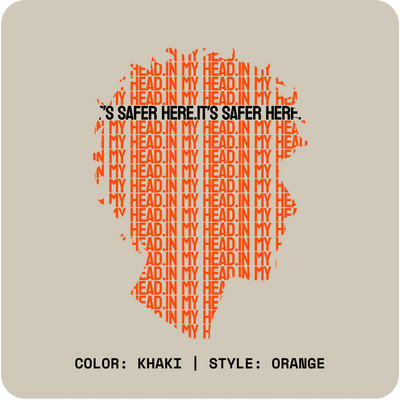
UNINSPIRED makes clothing for the ones carrying more than anyone can see. The Not a Statistic collection is for the ones who refuse to be reduced to what they're going through. Scan the sleeve.

Burnout vs. Depression: What's the Difference and Why It Matters

For the ones who aren't sure if they're exhausted or something more than exhausted.

For the ones who've been resting for weeks and still feel nothing.

For the ones who used to care and can't remember when that stopped.

Why the Distinction Matters

Burnout and depression share a lot of the same surface features. Exhaustion. Numbness. Withdrawal. Loss of motivation. Difficulty doing things that used to feel easy. They can look identical from the outside — and sometimes from the inside too.

But they're different in ways that affect what actually helps. Burnout responds to rest and reduced demand. Depression often doesn't — or does so only partially. Getting the distinction right matters not because one is worse than the other, but because misreading which one you're dealing with keeps you from getting what you actually need.

And these things can coexist. Burnout can lead to depression. Depression can make you more vulnerable to burnout. The overlap is real. What follows isn't a clinical diagnosis tool — it's a map. A starting place.

What Burnout Is

Burnout is a state of chronic exhaustion resulting from sustained, excessive stress — most commonly, though not exclusively, related to work or caregiving demands that have exceeded your capacity for too long. The World Health Organization recognizes it as an occupational phenomenon, characterized by three things: emotional exhaustion, depersonalization (a sense of detachment or cynicism), and reduced efficacy (feeling like you're not effective even when you're showing up).

Burnout is context-specific. It's tied to specific demands. Remove the person from the burnout context — the job, the caregiving role, the pressure source — and something shifts. Not immediately, not fully, but the trajectory changes. Rest and recovery are possible when the demand is removed.

What burnout feels like: empty, not sad. Cynical. Checked out. Specifically, noticeably worse in the context that created it. You might feel okay on vacation and depleted the moment you return. The improvement in different contexts is a signal.

What Depression Is

Depression is a mood disorder — a clinical condition characterized by persistent low mood, loss of interest or pleasure in activities that previously mattered, changes in sleep, appetite, concentration, and energy, and often a pervasive sense of worthlessness or hopelessness. Unlike burnout, depression doesn't resolve with rest or context change. The vacation doesn't help. The break doesn't lift it.

Depression is also more comprehensive. Burnout tends to be localized — to a domain, a role, a specific overwhelming situation. Depression colors everything. It's in how the morning feels before any task has been presented. It's in the absence of interest in things that have nothing to do with the source of pressure.

Depression often involves cognitive features that burnout typically doesn't: persistent thoughts of worthlessness, guilt that doesn't have an obvious external referent, a general sense that things won't get better. The emotional flatness isn't tied to a specific context. It's just present.

The Overlap Is Real

Burnout, sustained long enough, can develop into depression. When the system has been depleted for long enough, when rest hasn't happened, when the demands haven't reduced — the physical and neurological effects of chronic stress can shift the picture from situational exhaustion to clinical depression.

Depression can also masquerade as burnout, particularly for people who are achievement-oriented. If your identity is built around productivity and performance, admitting to depression can feel more threatening than explaining your flatness as overwork. So the narrative becomes: I'm just burned out. And the depression goes unaddressed.

The other direction: burnout in someone who already has a history of depression can drop them back into a depressive episode. The depletion lowers the floor.

Signals That Point Toward Burnout

You feel better in contexts that remove the pressure. You can identify a specific domain or period when things got worse. Rest helps, even if slowly. The cynicism and detachment are specific to certain areas of your life, not global. You can still feel positive emotion in situations unrelated to the burnout source.

Signals That Point Toward Depression

Rest doesn't help, or helps minimally. The flatness is global — not tied to a specific context. Activities that normally bring you some joy or relief don't. Intrusive thoughts about worthlessness or hopelessness. Changes in sleep, appetite, or concentration that are significant and sustained. The low mood has been present for weeks or more, with most days feeling affected.

These signals point toward talking to a professional. Not as a last resort — as an information-gathering step. Getting an accurate picture of what's actually happening changes what you do about it.

The Hardest Part

Not knowing which one it is. Being in the middle of something that's heavy and depleted and not being sure if you need a week off or actual support. That uncertainty is real. And for high-functioning people especially, there's a tendency to default to the burnout explanation — because burnout is something you can manage, and depression is something that requires admitting that managing alone isn't working.

You don't have to know with certainty before doing anything. You can rest and see what changes. You can reach out and see what emerges. The question isn't which label applies. The question is what you actually need, and whether you're getting it.

UNINSPIRED makes clothing for the ones carrying more than anyone can see. The Not a Statistic collection is for the ones who refuse to be reduced to what they're going through. Scan the sleeve.


0 comments

Leave a comment

Please note, comments must be approved before they are published

Favorites

Our most popular looks of the season

Relevant Product