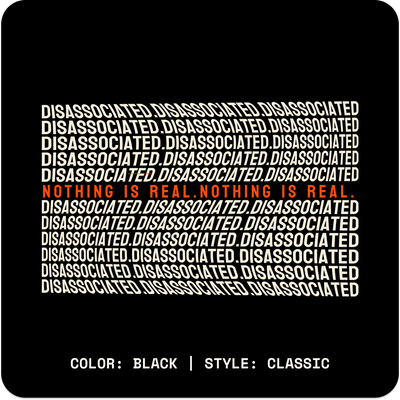
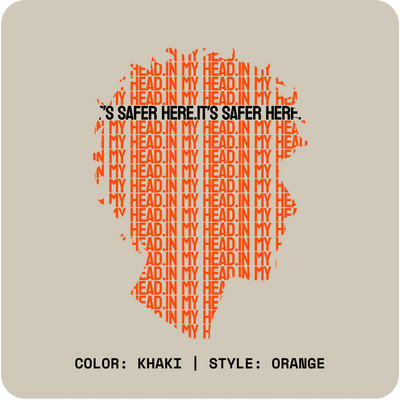
For the ones grieving someone who is still alive.
For the ones mourning a version of a person, a relationship, a future that stopped being possible.
For the ones who don't know how to explain what they lost because no one has died and nothing has ended and the thing they're grieving is still technically there.
What ambiguous loss actually is
Ambiguous loss is a term coined by family therapist Pauline Boss to describe losses that lack the clarity of conventional grief. No death certificate. No funeral. No socially recognized endpoint that gives the grief a name and a container.
There are two main types. The first: someone is physically absent but psychologically present — a missing person, a child who has been estranged, someone who has disappeared without explanation. The grief is real and sustained, but there's no body to bury, no official acknowledgment of loss, no permission to grieve because nothing is officially over.
The second: someone is physically present but psychologically absent — a parent with dementia who no longer recognizes you, a partner whose depression has taken them somewhere you can't reach, a relationship that exists in form but has lost its substance. The person is there. The version of them you knew isn't. You can't grieve them properly because they're sitting across from you.
Why it's harder than conventional grief
Conventional grief has a structure that, however painful, provides scaffolding. There's a clear event. There's social recognition. There are rituals. There are people who understand that you've lost something. There's permission to be in grief.
Ambiguous loss has none of that. The loss isn't acknowledged because there's nothing obvious to acknowledge. Other people don't know how to respond because the loss doesn't fit the categories they have for it. The person grieving often doesn't know how to identify what they're feeling as grief — because grief is for things that are over, and this isn't over, it's just wrong.
The result is grief without closure — an open loop that can't be resolved because the situation that would allow resolution hasn't arrived and may not arrive. The hope that the thing will be restored keeps the grief from moving. The recognition that it may not be keeps the hope from being surrendered. The griever is suspended between them.
What ambiguous loss looks like
Mourning a parent's emotional unavailability that has been there since childhood — not because anything happened, but because the connection you needed was never fully present. Grieving the version of a friendship that used to exist before something shifted between you. Mourning the life you expected to be living by now, the relationship that was supposed to work, the version of yourself that existed before something changed it.
Grieving a parent with early-onset dementia who still calls you by name but no longer knows the context of your relationship. Mourning the person your partner was before depression changed the texture of who they are to be around. Missing someone who is in the next room.
None of these are the kind of grief that gets a casserole dropped off or a week of acknowledged leave. They're the kind of grief that operates silently, often unrecognized even by the person carrying it, filed under: something is wrong, I don't know what to call it, I don't know if I'm allowed to feel this way.
Disenfranchised grief
Related concept: disenfranchised grief. Grief that isn't socially sanctioned — that isn't given the recognition it deserves because the culture doesn't have a category for this kind of loss.
The grief of a miscarriage in a culture that doesn't talk about it. The grief of losing a pet in environments that treat it as minor. The grief of an ended relationship that was never public. The grief of losing a job that was central to identity. The grief of leaving a community, a faith, a version of yourself.
Disenfranchised grief produces a specific burden: not just the grief itself, but the isolation of grieving without permission or recognition. The sense that the loss needs to be minimized or hidden because other people won't understand its weight.
What helps
Not closure — which may not be available. Not "moving on" — which implies the loss should stop being felt. What actually helps: naming the loss accurately. Allowing the grief to be grief, even without the conventional markers. Finding the people who can hold the ambiguity without needing to resolve it with a silver lining or a lesson.
The loss is real. The grief is legitimate. It doesn't require a death certificate to count.
UNINSPIRED makes clothing for the ones carrying grief that doesn't have a name. The UNBROKEN collection holds what can't be explained easily. Scan the sleeve.