ADHD and Perfectionism: The Paradox Nobody Warns You About

For the ones who know exactly what they want to produce and can't start producing it.

For the ones who have been called lazy by people who watched them spend six hours perfecting one paragraph.

For the ones who keep waiting to begin until they can begin correctly.

The paradox

ADHD and perfectionism don't seem like they should go together. The cultural image of ADHD is scattered, impulsive, finishing nothing — and the cultural image of perfectionism is controlled, meticulous, finishing things so thoroughly they can never quite be done.

But the two are deeply linked, and the link makes sense when you understand where perfectionism comes from in an ADHD context. It's not a personality trait. It's a wound with a management strategy attached.

Where ADHD perfectionism comes from

ADHD brains experience the world with a particular frustration: the gap between what they can see — the vision, the potential, the clear idea of what something should be — and what they can consistently execute.

The vision is often genuinely high. The output is inconsistent — sometimes matching it, sometimes nowhere close, often determined by factors that have nothing to do with effort or intelligence and everything to do with dopamine availability, sleep, context, interest level, and a hundred other variables the person can't reliably control.

Over time, this gap produces a specific kind of wound: the accumulation of experiences where the output didn't match the potential. Where the work fell short of what was clearly possible. Where people saw carelessness where there was actually an invisible neurological barrier between the concept and the execution.

Perfectionism becomes the response: if I can't execute reliably, I'll raise the standard for execution high enough that I only show work when it's undeniably good. Or: I'll wait until I can do it right. Or: I just won't try anything I can't be sure I'll do well.

Perfectionism as protection

This is the key thing to understand: ADHD perfectionism is often primarily a protection mechanism.

If you never submit work that isn't perfect, you can't be criticized for imperfect work. If you don't start until you know you can do it well, you can't fail at starting. If you maintain the position that you're not performing at your real level — that you're just not trying yet — you preserve the possibility that the real level is actually fine.

The cost of this protection is enormous. It produces paralysis. It turns reasonable tasks into impossible ones. It means that the standard required for starting is so high that starting almost never happens — or happens in a panic at the last possible moment when the cost of not starting finally outweighs the cost of risking imperfect output.

The procrastination — perfectionism loop

ADHD perfectionism and procrastination are the same cycle viewed from different angles.

The task requires a standard the person isn't certain they can meet right now. Starting means risking not meeting it. Not starting preserves the hypothetical. So the task waits — while the person is acutely, often aggressively, aware of it. Not ignoring it. Carrying it.

Then: urgency. The deadline arrives, the cost of not starting has become unavoidable, and the person produces — often at a level that impresses people who didn't see the preceding paralysis. Which creates its own problem: the evidence that they can produce under pressure gets used to argue that the barrier was always optional. It was never optional. Urgency provided the dopamine that bypassed the perfectionism — at the cost of everything that went before it.

How it shows up in relationships and work

Never sending the email because the wording isn't right yet. The creative project that exists entirely in draft, has existed in draft for two years, and is not allowed to exist in any other form until it's perfect.

Declining opportunities that actually match your skills because you're not sure you can perform at the level you've implied you're capable of.

Being described as not living up to potential so many times that you've started to believe the potential is the problem, rather than the system that can't figure out how to connect with it.

What's underneath

At the bottom of ADHD perfectionism, usually: the fear that if the work is seen and is imperfect, it confirms something. Something that the person has been quietly afraid is true about them.

That they're not as capable as they seem. That the gap between the vision and the execution is permanent. That the inconsistency isn't circumstantial but intrinsic.

The perfectionism is a defense against that confirmation. And it's a defense that, paradoxically, tends to produce the very outcomes it's trying to prevent: work that doesn't get done, potential that doesn't get expressed, capability that stays private because the conditions for showing it were never quite right.

What helps

Not "lower your standards." That misses the point.

Separating the standard from the bar for starting. The output can still aim high. What changes is removing the requirement that the aiming-high be solved before beginning. The draft is allowed to be imperfect. The email is allowed to be sent. The bar for starting is: has enough shape to work with. Not: finished.

And acknowledging, directly, that the vision is real — that the gap between it and inconsistent execution is not evidence of the vision being wrong, but of a specific neurological challenge that has nothing to do with the quality of what you're capable of when the conditions line up.


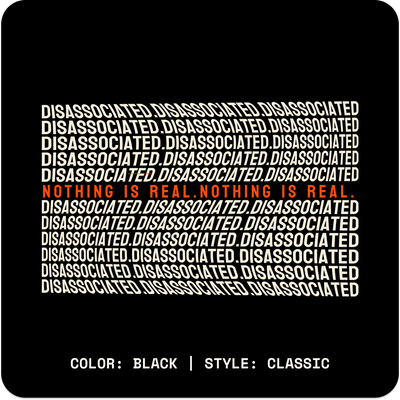
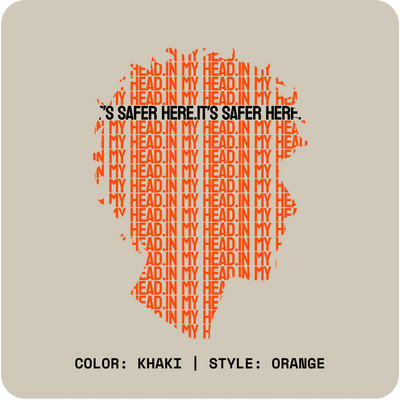
UNINSPIRED makes clothing for the ones who know exactly what they're capable of and can't always get there. The ADHD collection names the thing most people keep quiet. Scan the sleeve.

ADHD and Perfectionism: The Paradox Nobody Warns You About

For the ones who know exactly what they want to produce and can't start producing it.

For the ones who have been called lazy by people who watched them spend six hours perfecting one paragraph.

For the ones who keep waiting to begin until they can begin correctly.

The paradox

ADHD and perfectionism don't seem like they should go together. The cultural image of ADHD is scattered, impulsive, finishing nothing — and the cultural image of perfectionism is controlled, meticulous, finishing things so thoroughly they can never quite be done.

But the two are deeply linked, and the link makes sense when you understand where perfectionism comes from in an ADHD context. It's not a personality trait. It's a wound with a management strategy attached.

Where ADHD perfectionism comes from

ADHD brains experience the world with a particular frustration: the gap between what they can see — the vision, the potential, the clear idea of what something should be — and what they can consistently execute.

The vision is often genuinely high. The output is inconsistent — sometimes matching it, sometimes nowhere close, often determined by factors that have nothing to do with effort or intelligence and everything to do with dopamine availability, sleep, context, interest level, and a hundred other variables the person can't reliably control.

Over time, this gap produces a specific kind of wound: the accumulation of experiences where the output didn't match the potential. Where the work fell short of what was clearly possible. Where people saw carelessness where there was actually an invisible neurological barrier between the concept and the execution.

Perfectionism becomes the response: if I can't execute reliably, I'll raise the standard for execution high enough that I only show work when it's undeniably good. Or: I'll wait until I can do it right. Or: I just won't try anything I can't be sure I'll do well.

Perfectionism as protection

This is the key thing to understand: ADHD perfectionism is often primarily a protection mechanism.

If you never submit work that isn't perfect, you can't be criticized for imperfect work. If you don't start until you know you can do it well, you can't fail at starting. If you maintain the position that you're not performing at your real level — that you're just not trying yet — you preserve the possibility that the real level is actually fine.

The cost of this protection is enormous. It produces paralysis. It turns reasonable tasks into impossible ones. It means that the standard required for starting is so high that starting almost never happens — or happens in a panic at the last possible moment when the cost of not starting finally outweighs the cost of risking imperfect output.

The procrastination — perfectionism loop

ADHD perfectionism and procrastination are the same cycle viewed from different angles.

The task requires a standard the person isn't certain they can meet right now. Starting means risking not meeting it. Not starting preserves the hypothetical. So the task waits — while the person is acutely, often aggressively, aware of it. Not ignoring it. Carrying it.

Then: urgency. The deadline arrives, the cost of not starting has become unavoidable, and the person produces — often at a level that impresses people who didn't see the preceding paralysis. Which creates its own problem: the evidence that they can produce under pressure gets used to argue that the barrier was always optional. It was never optional. Urgency provided the dopamine that bypassed the perfectionism — at the cost of everything that went before it.

How it shows up in relationships and work

Never sending the email because the wording isn't right yet. The creative project that exists entirely in draft, has existed in draft for two years, and is not allowed to exist in any other form until it's perfect.

Declining opportunities that actually match your skills because you're not sure you can perform at the level you've implied you're capable of.

Being described as not living up to potential so many times that you've started to believe the potential is the problem, rather than the system that can't figure out how to connect with it.

What's underneath

At the bottom of ADHD perfectionism, usually: the fear that if the work is seen and is imperfect, it confirms something. Something that the person has been quietly afraid is true about them.

That they're not as capable as they seem. That the gap between the vision and the execution is permanent. That the inconsistency isn't circumstantial but intrinsic.

The perfectionism is a defense against that confirmation. And it's a defense that, paradoxically, tends to produce the very outcomes it's trying to prevent: work that doesn't get done, potential that doesn't get expressed, capability that stays private because the conditions for showing it were never quite right.

What helps

Not "lower your standards." That misses the point.

Separating the standard from the bar for starting. The output can still aim high. What changes is removing the requirement that the aiming-high be solved before beginning. The draft is allowed to be imperfect. The email is allowed to be sent. The bar for starting is: has enough shape to work with. Not: finished.

And acknowledging, directly, that the vision is real — that the gap between it and inconsistent execution is not evidence of the vision being wrong, but of a specific neurological challenge that has nothing to do with the quality of what you're capable of when the conditions line up.


UNINSPIRED makes clothing for the ones who know exactly what they're capable of and can't always get there. The ADHD collection names the thing most people keep quiet. Scan the sleeve.


0 comments

Leave a comment

Please note, comments must be approved before they are published

Favorites

Our most popular looks of the season

Relevant Product