ADHD and Overstimulation: When Your Brain Won't Turn the Volume Down

For the ones who left the group chat on mute and still felt it vibrating.

For the ones who can't explain why the restaurant was fine last week and unbearable this week.

For the ones who have been called too sensitive their whole lives and are only now learning that's not what's happening.


What ADHD Overstimulation Actually Is

ADHD overstimulation happens when your nervous system takes in more sensory and cognitive input than it can process — and unlike neurotypical overstimulation, the threshold is lower, the response is stronger, and the recovery takes longer.

Most people's brains filter sensory input automatically. Background noise gets suppressed. Irrelevant visual information gets deprioritized. Simultaneous conversations get sorted so you can follow one. This filtering is largely unconscious — it happens without effort.

In ADHD, that automatic filtering is impaired. The brain's prefrontal cortex — which handles attention regulation, prioritization, and inhibition — doesn't suppress incoming information the same way. Everything comes in at roughly equal volume. The conversation you're trying to have, the three conversations happening around you, the flickering light, the temperature of the room, the feeling of your socks, the notification sound from someone else's phone.

All of it. At once. All the time.

Most of the time you manage it. You've built workarounds — noise-canceling headphones, familiar environments, routines that reduce sensory unpredictability. But when the load gets high enough, or the coping strategies aren't available, the system hits a wall.

That's ADHD overstimulation.


ADHD Overstimulation Symptoms: What It Feels Like

It doesn't always look like what you'd expect. From the outside, it can look like withdrawal, rudeness, emotional dysregulation, or just being difficult. From the inside, it feels like:

  • An inability to filter out any sensory input — everything is equally loud and present
  • Sudden, intense irritability that feels out of proportion to whatever triggered it
  • Cognitive shutdown: the ability to form thoughts, finish sentences, or make decisions disappears
  • Physical discomfort — skin sensitivity, the urge to remove clothing or leave any space with people in it
  • Emotional flooding: crying, rage, or complete emotional flatness with no clear cause
  • The desperate need to be somewhere dark and quiet and alone
  • A feeling like everything is moving too fast and you can't catch up

One of the most disorienting things about ADHD overstimulation is how variable the threshold is. The same environment that was manageable yesterday might be completely unbearable today — depending on how much sleep you got, how long you've been masking, whether you had any recovery time, and dozens of other factors your conscious brain doesn't have access to.

This inconsistency gets misread constantly. As mood swings. As being "difficult to predict." As not trying hard enough. It's none of those things. It's a nervous system with an inconsistent capacity being asked to perform consistently.


The Masking Cost Nobody Talks About

Most people with ADHD learn early that their natural responses to overstimulation are socially unacceptable. Leaving mid-conversation. Covering their ears. Needing to move. Shutting down completely.

So they learn to mask: to suppress the external signs of overstimulation while continuing to function. They stay in the room. They keep making eye contact. They maintain the conversation. They perform fine.

Masking works in the short term. It allows people with ADHD to navigate environments that would otherwise be unmanageable. But it has a cost: the nervous system is still absorbing the full sensory load while also expending energy on suppressing the response. It's twice the work with none of the relief.

The result is what a lot of people with ADHD call "the crash" — the complete depletion that follows a period of sustained masking. The day that seemed fine from the outside that leaves you lying on the floor for two hours afterward, unable to do anything at all.

The crash isn't weakness. It's a system paying its debt.


Why It Gets Misdiagnosed as Anxiety

ADHD overstimulation is frequently diagnosed as anxiety — or misidentified as anxiety by the person experiencing it — because the physical symptoms overlap significantly. Elevated heart rate, shallow breathing, the sense of impending overwhelm, the need to escape. These are anxiety symptoms. They're also overstimulation symptoms.

The difference is the trigger. Anxiety is typically forward-facing — it's about anticipated threat. Overstimulation is present-facing — it's about what's happening right now, in this environment, in this body. But because the physical experience is similar and anxiety is better understood culturally, a lot of people spend years managing ADHD overstimulation with anxiety coping strategies that only partially work.

Getting the right name for what's happening changes what you reach for.


What Actually Helps

Exit first. Everything else is secondary. Reducing the sensory load — leaving the space, finding quiet, removing input — is the only thing that actually works in the moment. Breathing exercises and cognitive reframes don't reach a nervous system that's in sensory overload.

Recovery time is not optional. After a period of significant overstimulation or sustained masking, the nervous system needs time to discharge. This isn't laziness. It's maintenance.

Knowing your patterns matters. Most people with ADHD have predictable triggers — fluorescent lighting, open-plan environments, background noise while trying to focus, large social gatherings. Identifying yours gives you something to work with proactively rather than just surviving reactively.


For the ones who have been turning the volume down on themselves for years so other people could be comfortable — you don't have to explain it. You just have to know it's real.


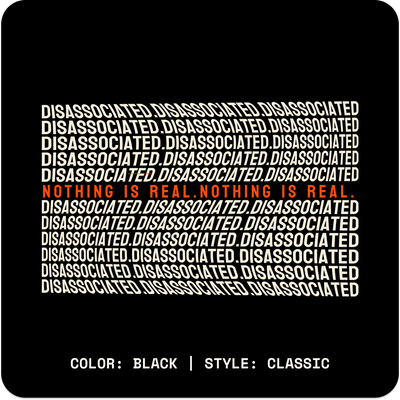
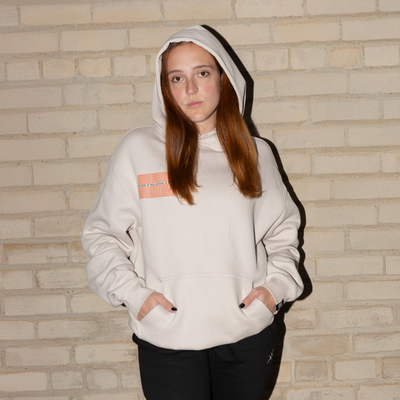
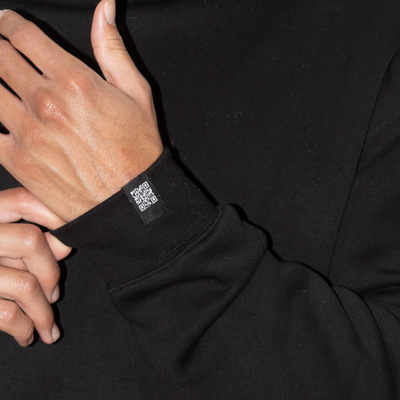
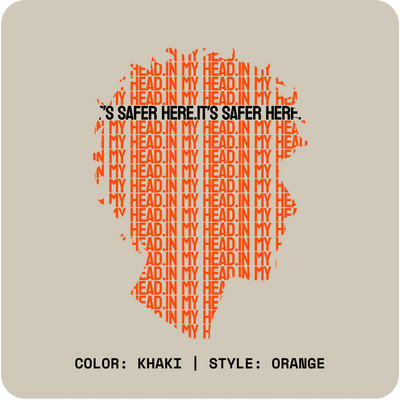
UNINSPIRED makes clothing for the ones whose brains won't turn the volume down. The ADHD and Overstimulated hoodies say the thing out loud. Scan the sleeve.

ADHD and Overstimulation: When Your Brain Won't Turn the Volume Down

For the ones who left the group chat on mute and still felt it vibrating.

For the ones who can't explain why the restaurant was fine last week and unbearable this week.

For the ones who have been called too sensitive their whole lives and are only now learning that's not what's happening.


What ADHD Overstimulation Actually Is

ADHD overstimulation happens when your nervous system takes in more sensory and cognitive input than it can process — and unlike neurotypical overstimulation, the threshold is lower, the response is stronger, and the recovery takes longer.

Most people's brains filter sensory input automatically. Background noise gets suppressed. Irrelevant visual information gets deprioritized. Simultaneous conversations get sorted so you can follow one. This filtering is largely unconscious — it happens without effort.

In ADHD, that automatic filtering is impaired. The brain's prefrontal cortex — which handles attention regulation, prioritization, and inhibition — doesn't suppress incoming information the same way. Everything comes in at roughly equal volume. The conversation you're trying to have, the three conversations happening around you, the flickering light, the temperature of the room, the feeling of your socks, the notification sound from someone else's phone.

All of it. At once. All the time.

Most of the time you manage it. You've built workarounds — noise-canceling headphones, familiar environments, routines that reduce sensory unpredictability. But when the load gets high enough, or the coping strategies aren't available, the system hits a wall.

That's ADHD overstimulation.


ADHD Overstimulation Symptoms: What It Feels Like

It doesn't always look like what you'd expect. From the outside, it can look like withdrawal, rudeness, emotional dysregulation, or just being difficult. From the inside, it feels like:

  • An inability to filter out any sensory input — everything is equally loud and present
  • Sudden, intense irritability that feels out of proportion to whatever triggered it
  • Cognitive shutdown: the ability to form thoughts, finish sentences, or make decisions disappears
  • Physical discomfort — skin sensitivity, the urge to remove clothing or leave any space with people in it
  • Emotional flooding: crying, rage, or complete emotional flatness with no clear cause
  • The desperate need to be somewhere dark and quiet and alone
  • A feeling like everything is moving too fast and you can't catch up

One of the most disorienting things about ADHD overstimulation is how variable the threshold is. The same environment that was manageable yesterday might be completely unbearable today — depending on how much sleep you got, how long you've been masking, whether you had any recovery time, and dozens of other factors your conscious brain doesn't have access to.

This inconsistency gets misread constantly. As mood swings. As being "difficult to predict." As not trying hard enough. It's none of those things. It's a nervous system with an inconsistent capacity being asked to perform consistently.


The Masking Cost Nobody Talks About

Most people with ADHD learn early that their natural responses to overstimulation are socially unacceptable. Leaving mid-conversation. Covering their ears. Needing to move. Shutting down completely.

So they learn to mask: to suppress the external signs of overstimulation while continuing to function. They stay in the room. They keep making eye contact. They maintain the conversation. They perform fine.

Masking works in the short term. It allows people with ADHD to navigate environments that would otherwise be unmanageable. But it has a cost: the nervous system is still absorbing the full sensory load while also expending energy on suppressing the response. It's twice the work with none of the relief.

The result is what a lot of people with ADHD call "the crash" — the complete depletion that follows a period of sustained masking. The day that seemed fine from the outside that leaves you lying on the floor for two hours afterward, unable to do anything at all.

The crash isn't weakness. It's a system paying its debt.


Why It Gets Misdiagnosed as Anxiety

ADHD overstimulation is frequently diagnosed as anxiety — or misidentified as anxiety by the person experiencing it — because the physical symptoms overlap significantly. Elevated heart rate, shallow breathing, the sense of impending overwhelm, the need to escape. These are anxiety symptoms. They're also overstimulation symptoms.

The difference is the trigger. Anxiety is typically forward-facing — it's about anticipated threat. Overstimulation is present-facing — it's about what's happening right now, in this environment, in this body. But because the physical experience is similar and anxiety is better understood culturally, a lot of people spend years managing ADHD overstimulation with anxiety coping strategies that only partially work.

Getting the right name for what's happening changes what you reach for.


What Actually Helps

Exit first. Everything else is secondary. Reducing the sensory load — leaving the space, finding quiet, removing input — is the only thing that actually works in the moment. Breathing exercises and cognitive reframes don't reach a nervous system that's in sensory overload.

Recovery time is not optional. After a period of significant overstimulation or sustained masking, the nervous system needs time to discharge. This isn't laziness. It's maintenance.

Knowing your patterns matters. Most people with ADHD have predictable triggers — fluorescent lighting, open-plan environments, background noise while trying to focus, large social gatherings. Identifying yours gives you something to work with proactively rather than just surviving reactively.


For the ones who have been turning the volume down on themselves for years so other people could be comfortable — you don't have to explain it. You just have to know it's real.


UNINSPIRED makes clothing for the ones whose brains won't turn the volume down. The ADHD and Overstimulated hoodies say the thing out loud. Scan the sleeve.


0 comments

Leave a comment

Please note, comments must be approved before they are published

Favorites

Our most popular looks of the season

Relevant Product